
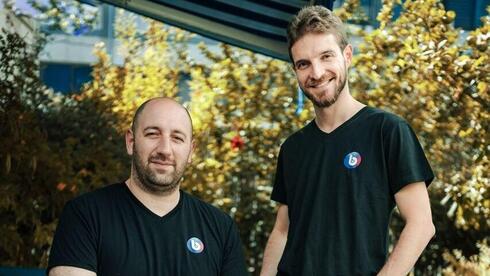
When David Lazerson decided to leave the world of cybersecurity and enter healthcare, he knew almost nothing about medicine. What he did know was that he wanted to build something that could make a meaningful difference in people’s lives. Seven years later, he is leading Briya, an Israeli health-tech company using artificial intelligence to transform how medical research is conducted, helping researchers uncover critical information hidden in vast amounts of healthcare data.
Born and raised in Jerusalem to a family of Russian immigrants who arrived in Israel in the 1980s, Lazerson discovered his fascination with computers at around age 10. Like many curious children growing up in the 1990s, he began experimenting with hacking and exploring how systems worked. That interest eventually led him to the IDF’s elite Unit 8200, where he spent seven years working in cybersecurity and commanding cyber teams. After leaving the military, he continued in the industry, eventually establishing his own cybersecurity consulting business. But he began searching for a different purpose. “I wanted to do something more positive, something that would have a real benefit,” he recalls. Healthcare seemed like the right direction, even if the learning curve proved far steeper than expected.
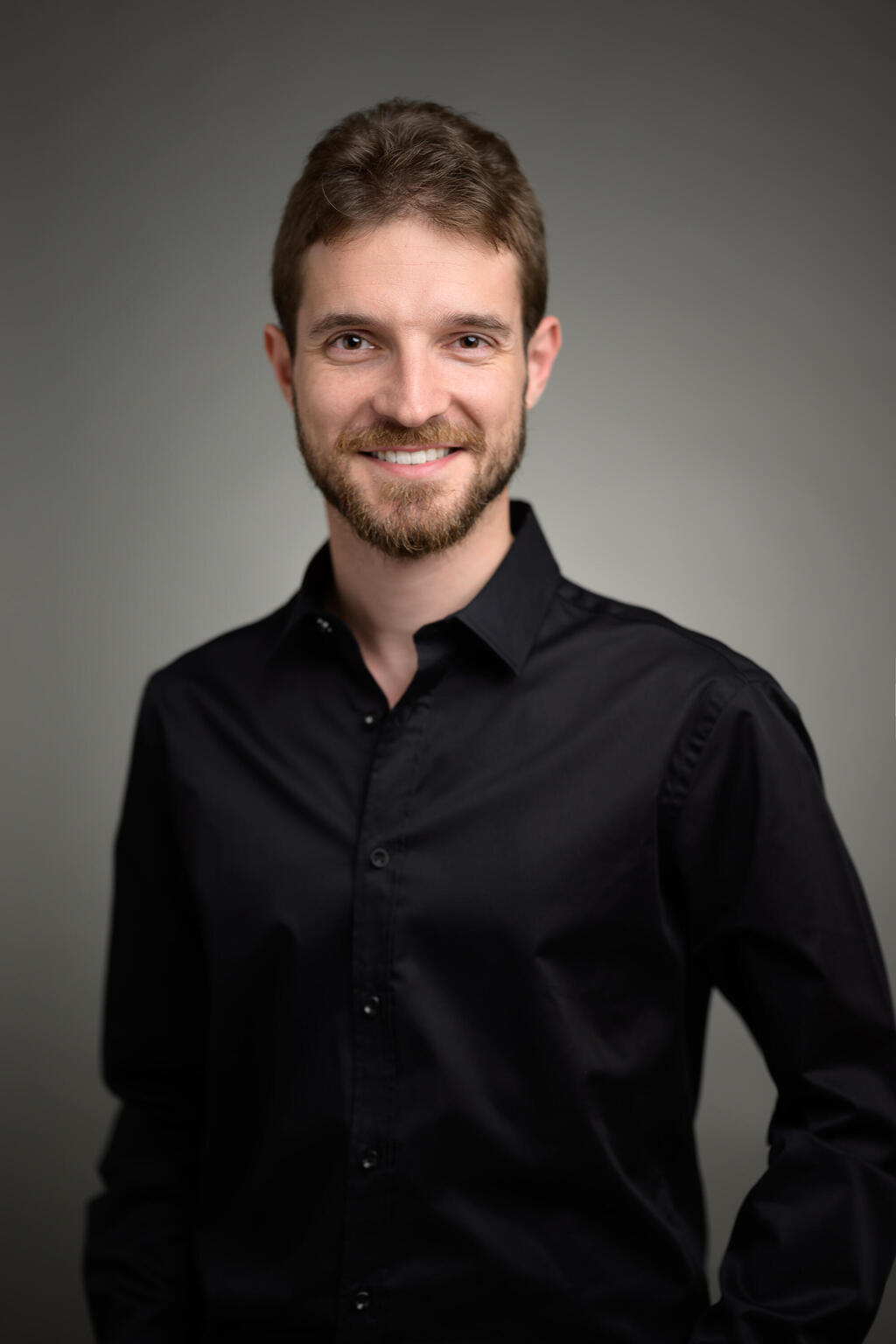
David Lazerson, Co-Founder and CEO at Briya
Together with co-founder Guy Tish, a software architect Lazerson describes as one of Israel’s most talented problem-solvers, he established Briya around five years ago. The COVID-19 pandemic helped shape their vision, exposing both the importance of medical data and the limitations of traditional research methods. While conventional clinical studies often require expensive, time-consuming recruitment of patients, healthcare systems already hold enormous amounts of information generated through years of treatments, examinations and diagnoses. Much of that information, however, remains difficult to access and largely unused for research.
“The data already exists,” Lazerson explains. “Patients have received treatments, undergone tests and generated enormous amounts of medical information. But most of it is never actually used.” Briya’s mission is to change that by giving medical researchers, hospitals, universities and pharmaceutical companies the ability to analyze complex healthcare information using specialized AI. Rather than replacing researchers, the technology acts as an advanced scientific assistant, helping them formulate research questions, examine patient populations and produce evidence that can support medical decisions and regulatory processes.
One example of its potential comes from Shaare Zedek Medical Center in Jerusalem, where a physician researching fatty liver disease wanted to identify patients at risk before their condition progressed. An initial search of hospital records produced far fewer patients than expected. Briya’s AI technology was then used to analyze radiology reports, including information that had not necessarily been entered as a formal diagnosis in patients’ medical records. According to Lazerson, the system identified nearly five times as many potentially at-risk patients as the original search, allowing the hospital to bring additional people into follow-up care and consider earlier intervention. For him, the implications are profound: valuable medical clues may already exist in patient records, but remain undiscovered simply because no one has the tools or time to find them.
The findings, announced earlier this month, provide a striking illustration of the technology’s potential. In an analysis of 28,795 abdominal ultrasound reports, Briya’s AIRE platform identified 360% more patients with steatotic liver disease than conventional structured records alone. Dr. Gadi Lalazar, head of the Liver Unit at Shaare Zedek, explained that important findings had often been buried in reports conducted for unrelated medical reasons. The study is scheduled for presentation at the American Association for the Study of Liver Diseases’ annual meeting.
Yet accessing medical data raises another challenge: privacy. Lazerson emphasizes that Briya’s technology was designed with a privacy-first approach, allowing its systems to operate within healthcare organizations rather than requiring sensitive patient information to be transferred elsewhere. This architecture, he says, has been particularly important in Europe, where strict data protection regulations can prevent other technologies from operating. The platform is also designed specifically for medical researchers rather than patients, incorporating scientific methodology into its AI processes and requiring researchers to address important questions about study design before producing results. “The researcher manages the research, not the other way around,” he explains. The goal is not simply to generate answers quickly, but to produce reliable, reproducible scientific evidence. The company has also integrated medical expertise directly into its development, with physicians and epidemiologists playing central roles, including Professor Jonathan Samet, who joined Briya as chief epidemiologist in 2026.
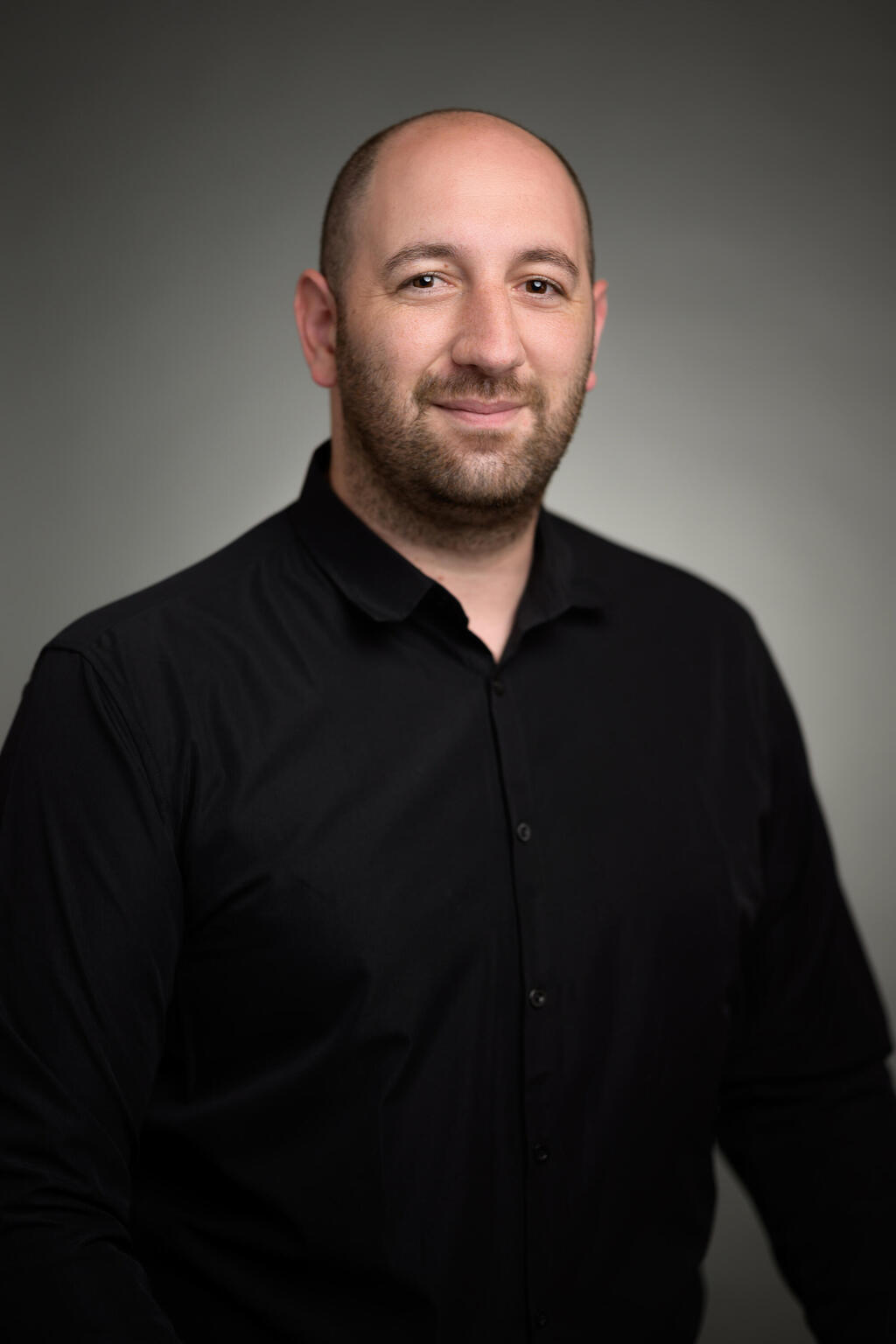
Guy Tish, Co-Founder and CTO at Briya
Building such a platform has required overcoming one of the world’s most conservative industries. “Healthcare is historically one of the hardest markets to enter,” Lazerson says, explaining that hospitals and medical institutions rarely adopt new technology without broad agreement among their professional and administrative leadership. While that caution is understandable when patients’ lives are involved, it has also contributed to a technological gap that he estimates at nearly two decades.
According to Lazerson, Briya spent approximately three years developing its specialized AI technology while simultaneously building relationships with healthcare institutions. Today, he says, the company’s network covers approximately 120 million patients. The company has attracted investment from leading funds, including Team8, Insight Partners and Amiti Ventures, and completed an $11.5 million Series A funding round in 2023, bringing its reported funding at the time to $17 million.
Despite the challenges, Lazerson believes the healthcare industry’s relationship with technology is changing dramatically. Digital transformation once took decades, but artificial intelligence is accelerating adoption at an unprecedented pace. He recalls being repeatedly warned that physicians and researchers would resist sophisticated technological tools. AI, however, has made those systems far more approachable, allowing professionals to interact with complex datasets through natural language rather than programming or specialized technical processes. Competition is also intensifying, with new players entering the market at a pace he says would have been unimaginable just three years ago.
For an Israeli company operating internationally, the environment presents additional difficulties, particularly as some European institutions increasingly favor local technology providers. Nevertheless, Lazerson believes specialized expertise and the ability to meet demanding regulatory standards remain decisive advantages.
Looking ahead, Lazerson predicts that AI will fundamentally reshape medical research within the next two to three years, making studies faster, less expensive and accessible to a much wider range of medical professionals. Instead of requiring the resources of a major pharmaceutical company or academic institution, more physicians could independently investigate medical questions and generate meaningful evidence. He expects the broader transformation of clinical medicine to take another five or six years, with AI becoming an essential part of how doctors practice and hospitals operate. “Doctors won’t be able to remain relevant without it,” he says, stressing that physicians will continue to carry responsibility for medical decisions but will increasingly depend on technology to keep pace with scientific knowledge and patient needs.
For Briya, his ambition is to help establish the standards that will guide this new era of research. And for a former cybersecurity specialist who entered healthcare simply because he wanted to do something positive, the possibility of helping researchers identify diseases earlier, improve treatments and ultimately save lives has become the driving force behind his company.