
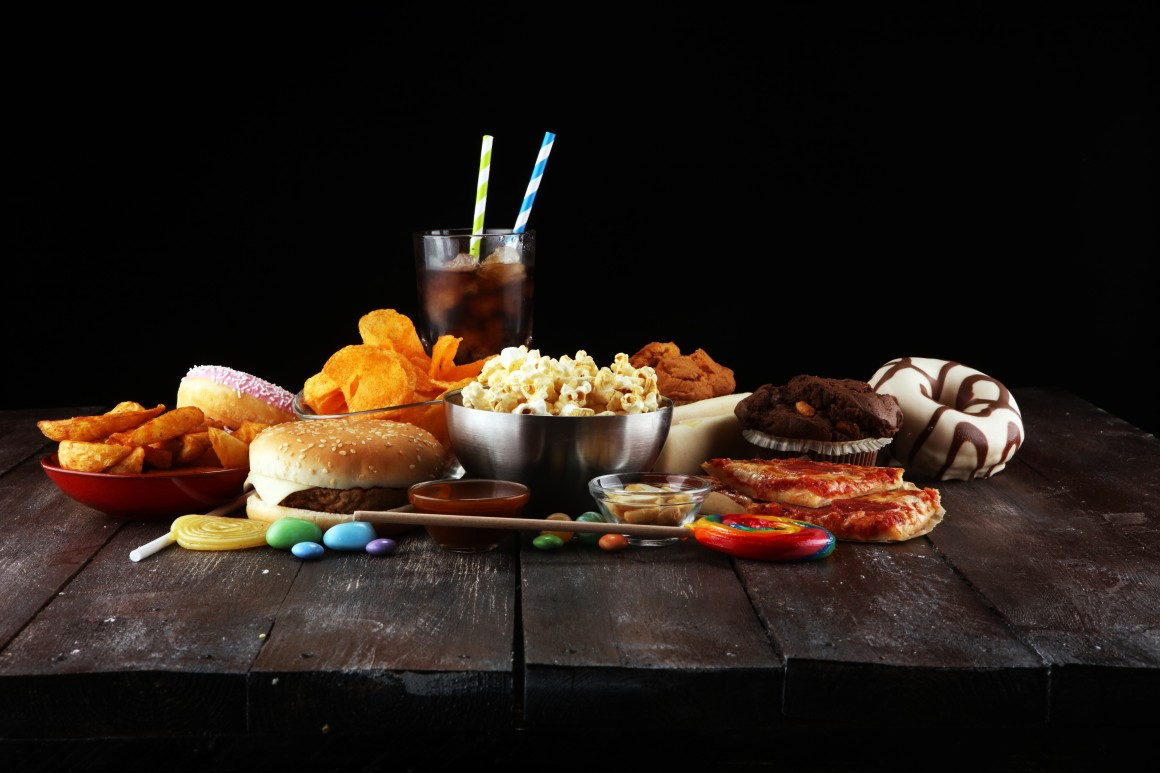
Aotearoa New Zealand’s lack of effective policy action to improve the unhealthy food environment is contributing to persistently high obesity rates and increasing pressure on the health system.
A new Public Health Communication Centre (PHCC) Briefing calls for stronger policies to improve nutrition and prevent chronic disease.
NZ has the third-highest obesity rate in the OECD, and there has been no improvement in obesity rates for any ethnic group, apart from a possible plateau for Māori. Almost every age group has also experienced increasing obesity rates.
Briefing lead author Dr Andrea Teng says these trends reflect a food environment where sugary drinks and energy-dense ultra-processed foods are widely available, marketed and consumed.
Sugary drinks are the leading source of sugar in children’s diets, contributing 26% of total sugar intake, and are also a significant source of sugar for adults. The health consequences are substantial. Obesity-related disease costs NZ more than $2 billion a year, while high body mass index is now the leading risk factor contributing to health loss in NZ.
More than 100 jurisdictions have introduced sugary drinks levies. International evidence shows that increasing the price of sugary drinks reduces their sales, purchasing and dietary intake.
The Briefing says a UK-style sugary drinks industry levy is one of the evidence-based policies NZ could use to improve the food environment. A key feature of the UK levy is its tiered structure, which places higher charges on drinks containing more sugar. The approach has encouraged manufacturers to reduce the amount of sugar in their drinks.
“Our new research examining Tonga’s taxes on sugary drinks and other unhealthy foods provides further evidence about the effects of using taxes to influence the food environment,” says Dr Teng.
The research found that Tonga’s taxes were associated with significant increases in the retail prices of taxed unhealthy foods, particularly discretionary products such as sugary drinks, ice cream and sausages.
The Briefing authors say NZ needs to use the available evidence to develop policies that make the healthier choice easier.
“A sugary drinks levy could also be designed so that revenue supports measures to improve health equity, including making healthy foods more available and affordable and supporting free dental care,” says Dr Teng.
The Briefing also highlights the need to restore the National Nutrition Survey, which is now more than 17 years out of date, so NZ can properly monitor trends in food and sugary drink consumption.