
As cold and influenza season begins, many consumers rely on nonprescription products marketed to support immune health and help prevent or manage respiratory illnesses. Among the numerous dietary supplements available in community pharmacies, echinacea and elderberry remain 2 of the most recognizable herbal ingredients promoted for immune support. However, these products represent only a portion of the herbal preparations traditionally used for respiratory health.
Beyond echinacea and elderberry, several herbal products with long histories of use in Asian and European traditional medicine may be less familiar to US consumers. As interest in complementary medicine continues to grow, pharmacists should be familiar with the available evidence on the efficacy, safety, adverse effects, and potential drug interactions associated with these products.
Sea Buckthorn
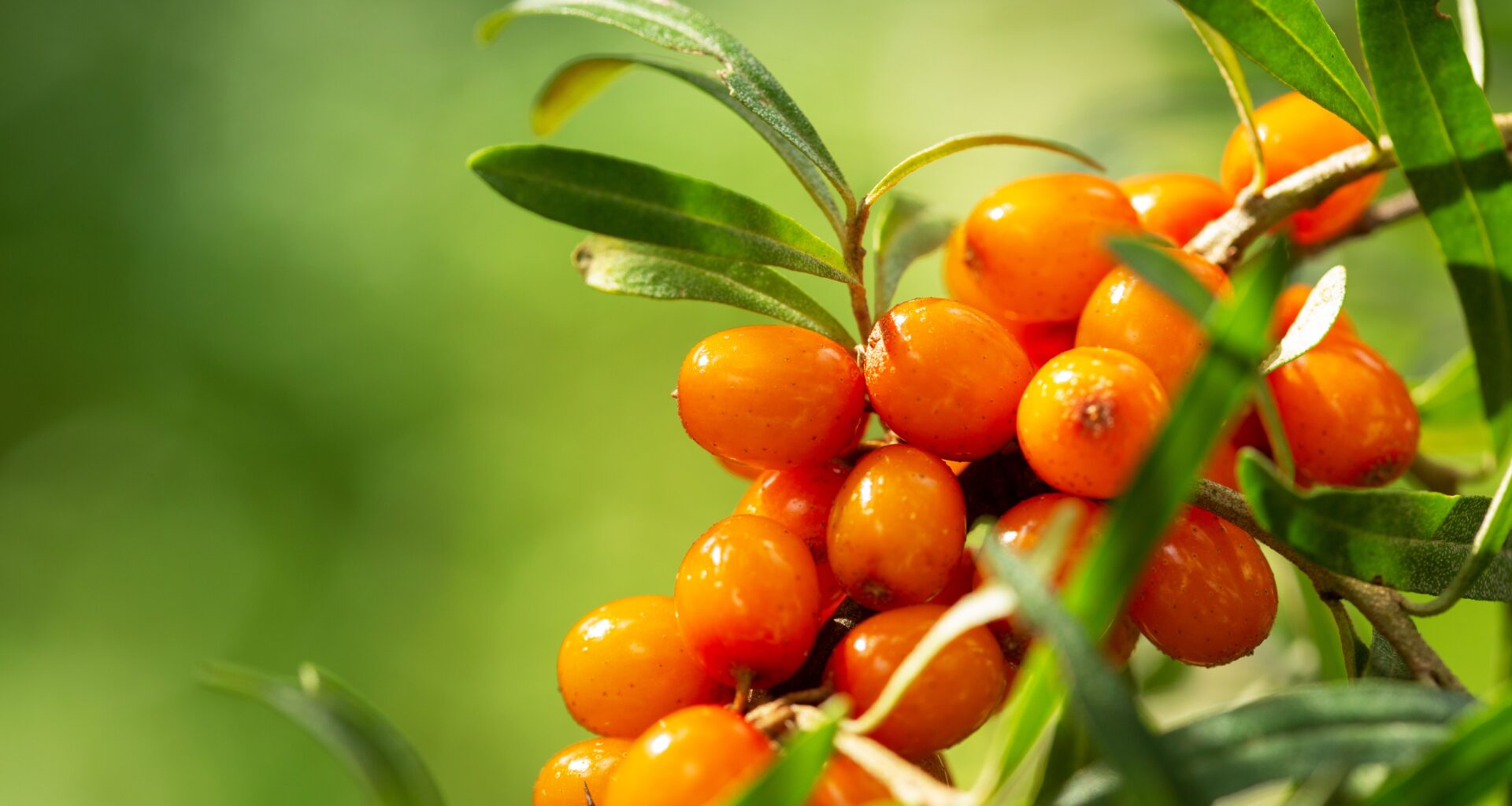
Sea buckthorn (SBT), or Hippophae rhamnoides (H rhamnoides) is a flowering shrub in the Elaeagnaceae family native to cold-temperate Eurasia. The plant produces clusters of bright orange berries and contains numerous bioactive constituents, including flavonoids, carotenoids, polyunsaturated fatty acids, vitamins, and minerals. Most notably, the fruit has high contents of vitamin C, vitamin E, vitamin B12, and zinc.1 Experimental studies of SBT preparations have demonstrated antioxidant, cytoprotective, antimicrobial, and anti-inflammatory activity, although these findings do not necessarily translate into clinical benefit.2
In the United States, people commonly use dietary supplements and complementary therapies such as vitamin C, zinc, honey, echinacea, and elderberry during cold and influenza season. Researchers have studied elderberry for its potential effects on the duration and severity of upper respiratory symptoms, but the available evidence remains limited and uncertain.3 Echinacea has similarly been evaluated for the prevention and treatment of upper respiratory infections, with studies reporting inconsistent findings regarding its clinical effectiveness.4 Like these familiar products, SBT contains bioactive compounds with antioxidant and anti-inflammatory properties that have prompted interest in its potential role in respiratory health.2
Clinical Evidence in Respiratory Illness
Clinical evidence suggests that SBT-containing preparations may help reduce the risk of respiratory infections. In a randomized, double-blind, placebo-controlled study, 50 participants received either a nutritional supplement containing sea buckthorn, honey, and propolis or placebo for 1 month during peak respiratory virus season. Researchers monitored participants for respiratory symptoms and evaluated suspected infections using rapid antigen tests for COVID-19 and influenza.5
Among participants who completed the study per protocol, the combination supplement was associated with an approximately 71.4% relative reduction in the risk of respiratory infection compared with placebo.5 Although these findings are promising, the small sample size, per-protocol analysis, and use of a combination product limit the ability to determine the independent effect of SBT. Larger controlled studies evaluating standardized SBT preparations alone are needed to determine benefits in a larger patient population.
Preclinical Coronavirus Research
Preclinical studies have also evaluated the potential antiviral activity of SBT and some of its bioactive compounds. In an in vitro study by Zhan et al, the flavonoids quercetin and isorhamnetin were tested for their ability to inhibit entry of SARS-CoV-2 spike pseudovirus into ACE2-expressing cells. At the tested concentration, isorhamnetin reduced pseudovirus entry to about 47.7% of the control level and demonstrated no significant cytotoxicity, whereas quercetin did not significantly reduce viral entry.6
Additional in vitro research by Al Ibrahim et al evaluated several plant extracts for activity against coronaviruses. Extracts derived from H rhamnoides demonstrated antiviral activity against HCoV-229E and SARS-CoV-2 in cell-based models; subsequent fractionation identified cinnamoyl triterpenoids from SBT with antiviral activity.7