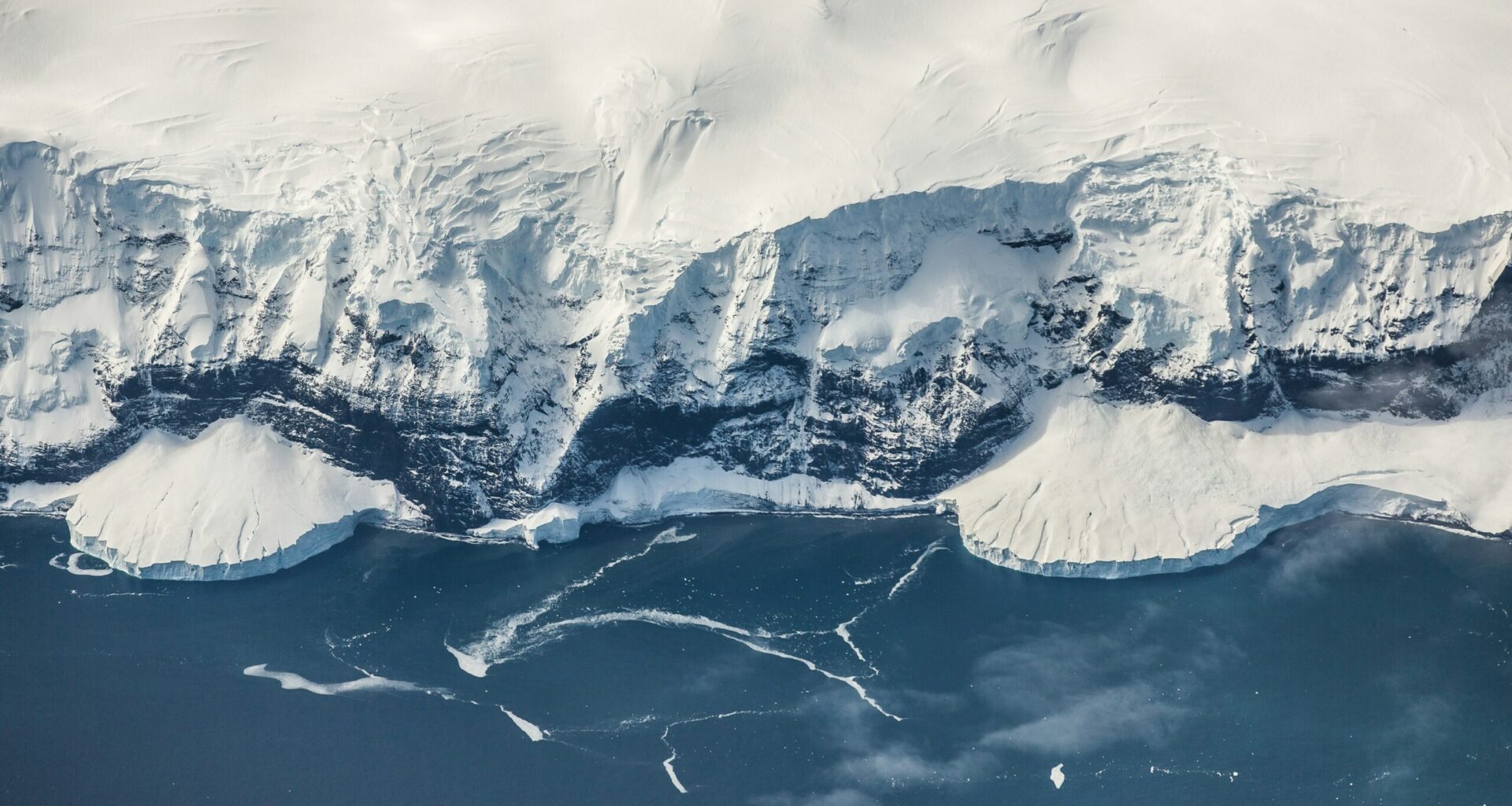
A vast layer of fresh water that helps store carbon, supply oxygen, and drive ocean currents across the Southern Hemisphere has rapidly reversed its long-term trends, new research has found, leading scientists to suggest that the extent of deep-ocean warming and rising sea levels may have been underestimated.
The Antarctic Intermediate Water (AAIW) spans much of the Southern Hemisphere’s ocean and plays a critical role in redistributing heat, freshwater, and carbon around the planet.
Researchers from the University of Melbourne, the Indian Institute of Sciences and the University of Southampton found that from 1995 to 2015, the AAIW was kept healthy by Antarctic summer ice melt. From 2016 to 2024, that trend abruptly reversed. With less freshwater entering the system, the layer became saltier, denser, and deeper.
Published this week in Nature Climate Change, the team analysed data from the global Argo programme – a network of around 4,000 robotic floats that sample the upper oceans, along with satellite and atmospheric datasets. The study produced the first direct observational evidence of this change in the AAIW’s properties.
Associate professor Bishakhdatta Gayen, from the University of Melbourne and IISc, said the last time the AAIW switched was at the end of the last interglacial period, around 130,000 years ago, when there was very little ice in Antarctica.
“That transition took thousands of years, not two decades,” said Professor Gayen. “The Antarctic region is the freshwater engine of oceans around the globe. Melting Antarctic sea ice influences circulation thousands of kilometres away. Until 2016, the seasonal summer melt was triple the Amazon River’s entire annual flow of roughly 6,600 cubic kilometres.
“From 2016, Antarctic sea ice shrank to record lows. This abruptly choked off that critical seasonal surge and the meltwater delivery dropped to roughly double the Amazon River’s annual flow.”