
Follow us
Add us as a preferred source on Google
Newsletter
Subscribe to our newsletter
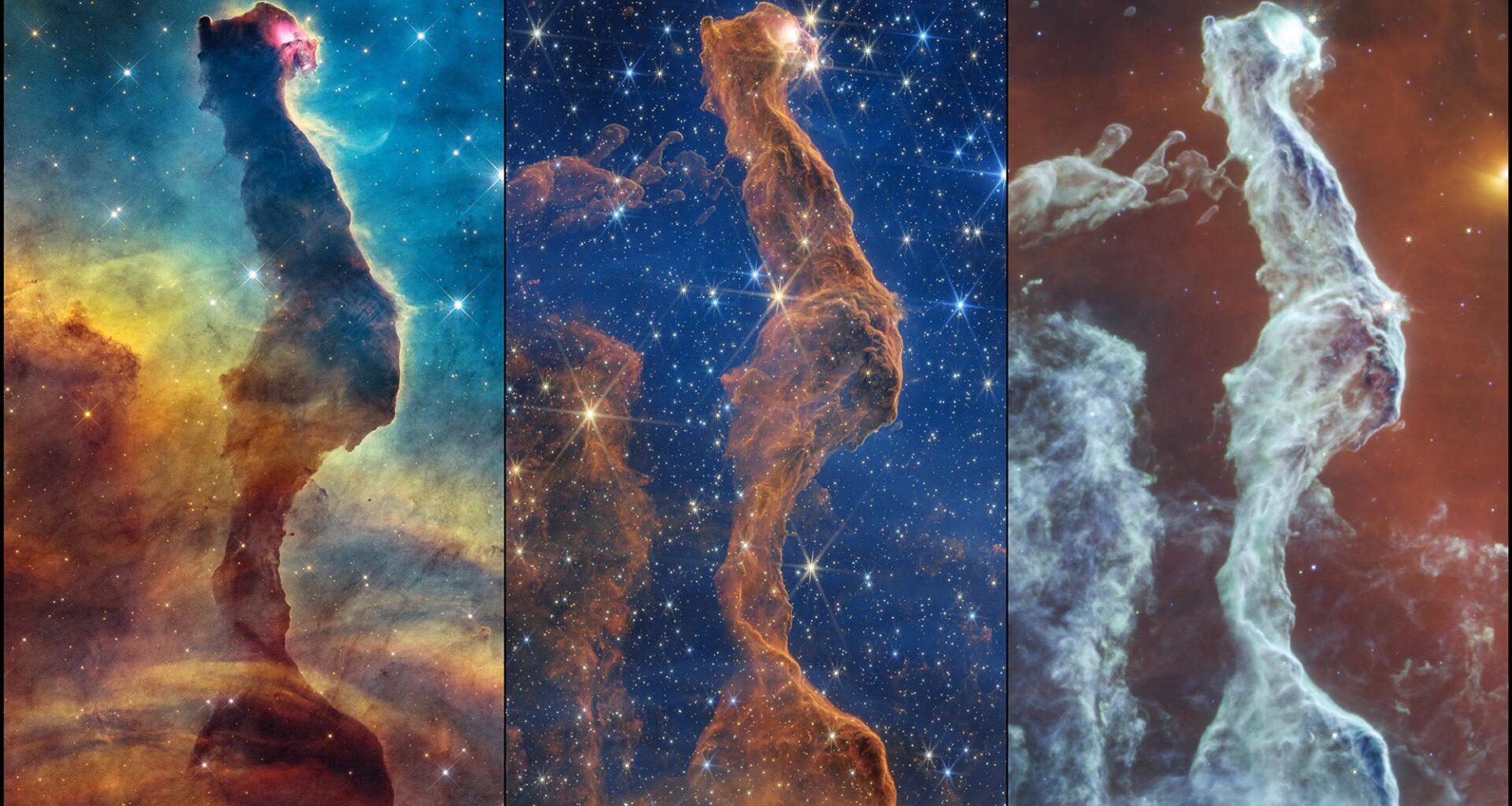
In space, nobody can hear you scream — or meow, for that matter. This was as true for Félicette — the stray Parisian tuxedo cat who safely completed the world’s first (and only) suborbital feline flight, in 1963 — as it is for the gargantuan Cat’s Head Nebula, which is featured in stunning new images from the Hubble and James Webb space telescopes.
Rising from the cloudy Carina Nebula some 7,500 light-years from Earth, the Cat’s Head Nebula is a column of star-sculpted gas and dust that vaguely resembles a feline sitting with its back to us, coyly turning its head to show off a single red eye. That eye is a young star that’s embedded deep within the dust and possibly transforming it before our eyes.
Latest Videos FromLive Science
Hubble’s view
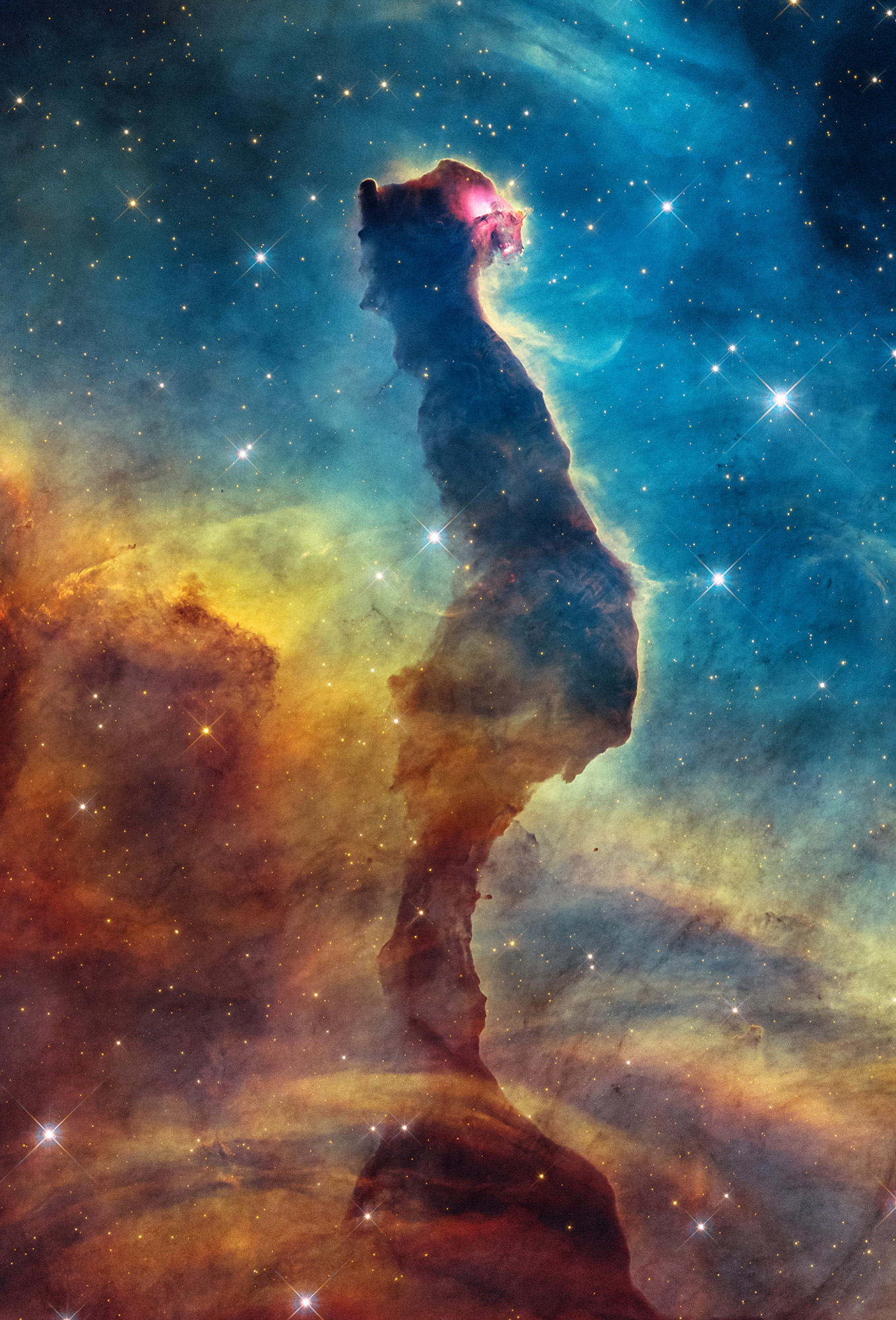
The Hubble Space Telescope’s optical light view of the Cat’s Head Nebula.
(Image credit: NASA, ESA, STScI. Image Processing: J. Depasquale (STScI), CC BY 4.0 INT )
You may like
JWST’s near-infrared view
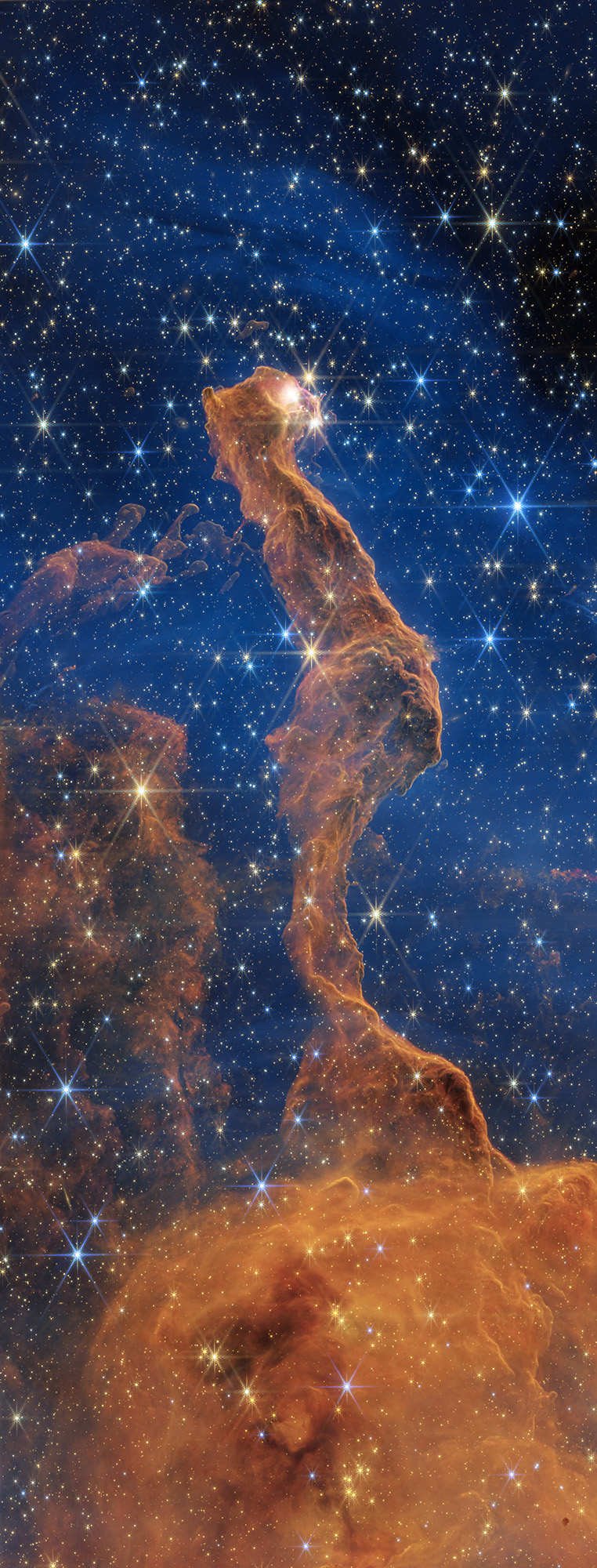
The James Webb Space Telescope’s view of the Cat’s Head Nebula in near-infrared light.
(Image credit: NASA, ESA, CSA, STScI. Image Processing: J. Depasquale (STScI), CC BY 4.0 INT)
JWST’s mid-infrared view
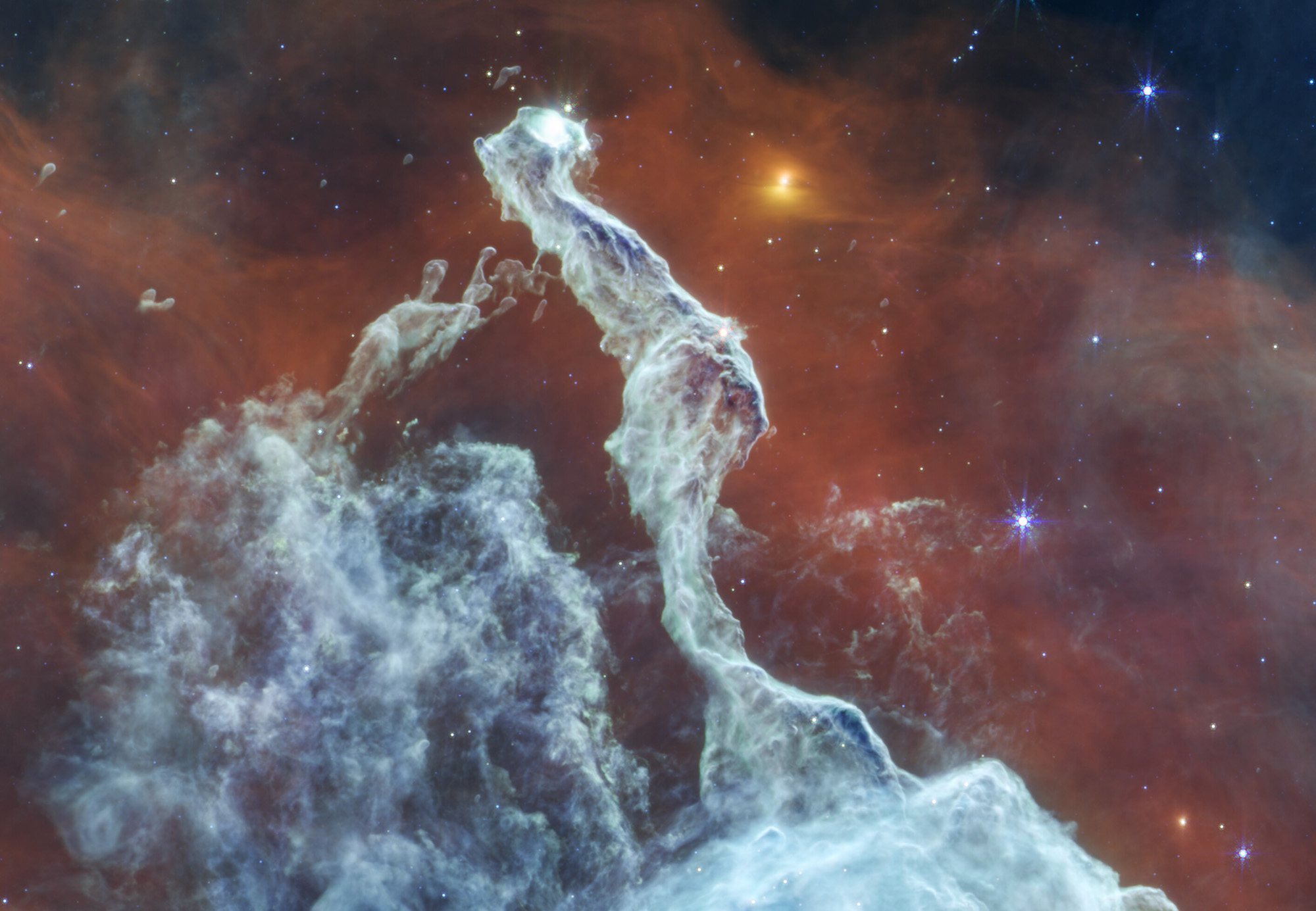
The James Webb Space Telescope’s view of the Cat’s Head Nebula in mid-infrared light.
(Image credit: NASA, ESA, CSA, STScI. Image Processing: J. Depasquale (STScI), CC BY 4.0 INT)
TOPICS