
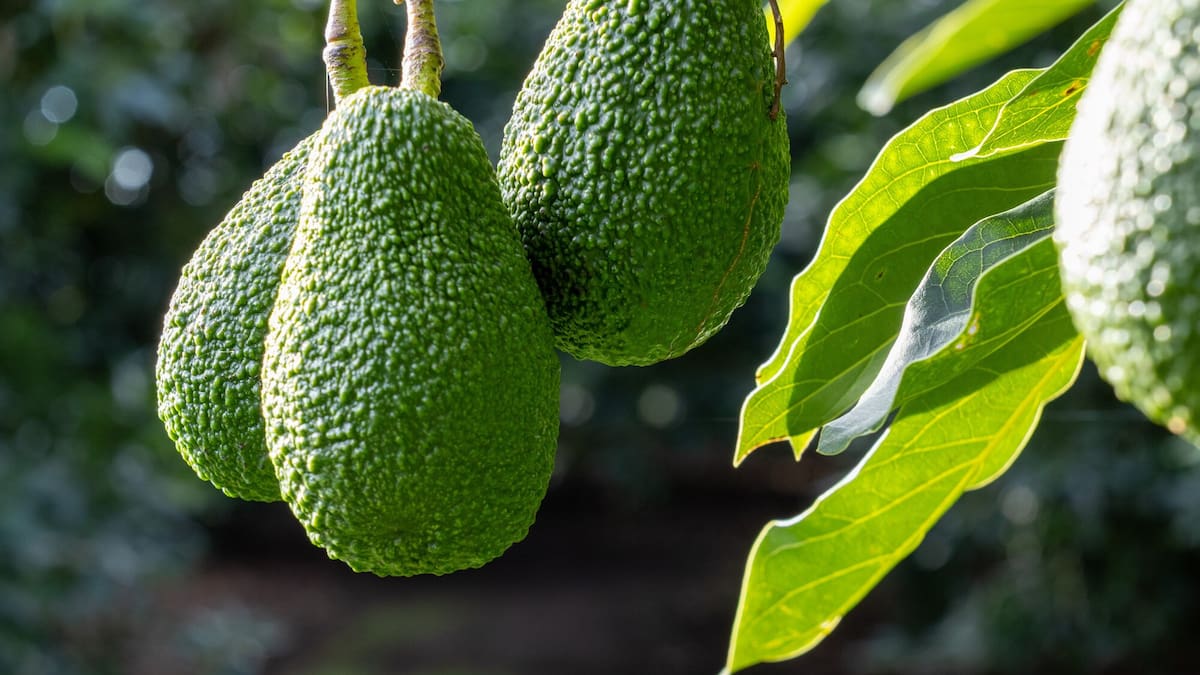
With this volume, he said it’s hardly surprising values were under pressure on the domestic market.
“This is a difficult time of the year as the industry moves from a local-only market phase into the start of much larger harvest and packing programmes for multiple export markets.
“Much greater volumes of class two and class three fruit fall into the domestic marketplace and there is usually a period of flux while the market balances.”
Swan said the sector was fortunate to have process (pulp) and oil options in New Zealand for surplus fruit, while class two exports to Australia were now in full swing.
The domestic avocado scenario in Australia was the opposite to here, he said.
“There’s been poor fruit set and pack-out, plus a lack of water.”
Marketers were hopeful it would have the dual benefit of reducing volumes (and helping values) here in New Zealand, while delivering better returns from exporting fruit that may otherwise have gone to processing, Swan said.
He predicted that December should see “vastly improved” pricing for avocados in the New Zealand domestic market.
Australian market
General manager sales and marketing with Bay of Plenty-based Darling Group Shaun Mckone has first-hand knowledge of the situation in Australia.
He has been based across the Tasman for the last three years and spoke to Coast & Country News from Brisbane.
An increase in supply on the domestic market was not unusual during the peak harvest September/October in the Bay of Plenty), Mckone said.
“There’s a natural flow-on from it, with prices driven down on the supermarket shelves.
“It’s simple supply and demand.”
New Zealand avocado exporters were currently sending about 25,000 trays of class two and three fruit into the Australian market.
Mckone said Darling Group was now exporting all four grades of avocado – one, two, three and processing – to Australia.
“We had always done class one [export grade].
“In more recent times we have looked to gain whatever value we can extract from the other grades, without losing the value of class one.
“This takes the pressure off the local market.”
Mckone said in Australia, the New Zealand class two fruit goes into the retail sector as a pre-packed “value offering”.
Food service channels include sushi bars, airlines, cruise ships and catering.
Class three fruit from New Zealand similarly heads into the food service sector in Australia, with the processing class used for avocado oil.
In Australia’s “off years”, Mckone said Darling Group turned its attention to Asia.
Class two fruit was exported to markets including China and Hong Kong for the food service industry.
Mckone said exports to Australia generally tail off at the end of January and end in early February.
New Zealand has always had a presence in Australia, but is obviously challenged by local supply there, he said.
“It’s a season-by-season thing.”
Challenging point
Brad Siebert, the chief executive of NZ Avocado, said the current market reflected a normal but challenging point in the season.
“Strong overall supply can place pressure on domestic returns throughout the season, particularly during peak export harvest.
“However, the industry now has a broader range of markets and channels for placing all classes of fruit than in the past, providing greater flexibility to manage supply and respond to changing market conditions.
“For consumers, the strong seasonal crop means excellent availability and value, making this an ideal time to enjoy fresh, locally grown New Zealand avocados.”
Siebert said the industry continued to develop its international markets, with consistent supply continuing across Asia and positive opportunities for increased volumes and value in Australia.
“While seasonal fluctuations in volumes and pricing are expected, the focus across the supply chain remains on building sustainable demand, maintaining consistent fruit quality and supporting what is expected to be a much more positive season for growers.”
Looking ahead to the 2026 election, he said the industry has outlined its priorities for Government through its recently released industry manifesto.
These include greater transparency in the domestic produce market, stronger support for developing high-value export markets, practical and enabling on-orchard regulations and continued investment in science and innovation to lift grower productivity.
“These are important settings for ensuring the sector remains competitive and delivers positive outcomes to our hard-working growers,” Siebert said.