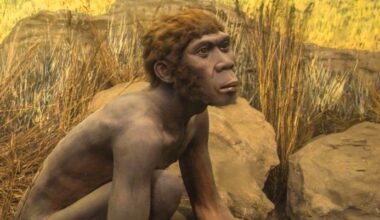
SScience Read More Researchers Reconstruct Face of Oldest Known Homo sapiensSeptember 24, 2026 Scientists have created a digital facial approximation of the Jebel Irhoud hominin, whose remains are dated to about…
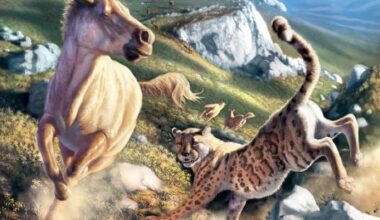
SScience Read More Ancient DNA Rewrites Story of Enigmatic ‘American Cheetah’September 4, 2026 For several decades, paleontologists have described Miracinonyx trumani — an extinct species of cheetah-like felid that roamed the…
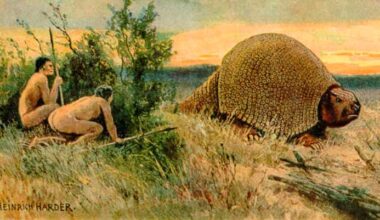
SScience Read More Paleontologists Identify New Species of GlyptodontAugust 29, 2026 An incomplete fossilized skull that has sat in the collections of the Natural History Museum of Denmark since…
SScience Read More Denisovans Were Surprisingly Tall, New Fossils from Taiwan SuggestAugust 17, 2026 Two fossilized leg bones of Denisovans — an extinct archaic Homo group whose lineage diverged from the Neanderthal…
SScience Read More Scientists Find Traces of Two Unknown Archaic Hominins in Human DNAAugust 2, 2026 New research led by the University of California, Berkeley reveals that beyond Neanderthals and Denisovans, humans interbred with…
SScience Read More 224,000-Year-Old Homo Skull Fragment Adds New Mystery to Human OriginsJuly 31, 2026 A fossilized skull fragment of Homo sp. unearthed in central Spain offers paleoanthropologists a fresh window into the…
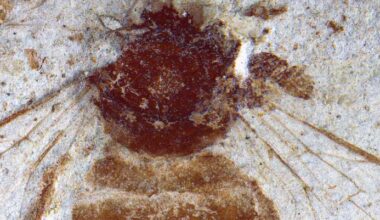
SScience Read More Japanese Fossil Bee Fills Two-Million-Year Gap in Honeybee HistoryJuly 27, 2026 Paleontologists have announced the discovery of a new fossil honeybee species that fills a long-standing gap in the…
SScience Read More Fossils from Chinese Cave Fill Crucial Gap in History of Gigantopithecus blackiJune 15, 2026 Deep inside a limestone cave in southern China, paleontologists have uncovered an assemblage of thirteen fossilized teeth belonging…
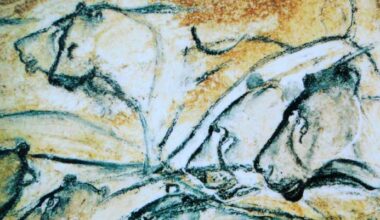
WWildlife Read More Study: Cave Lions were Distinct Species that Occasionally Bred with Ancestors of Today’s LionsJune 11, 2026 The extinct Eurasian cave lion (Panthera spelaea) and today’s African and Asian lions (Panthera leo) belong to separate…
SScience Read More 146,000-year-old Ice Age humans used advanced stone tools for butchery and survivalMay 9, 2026 A new study from central China is changing how scientists think about creativity and survival among ancient humans.…
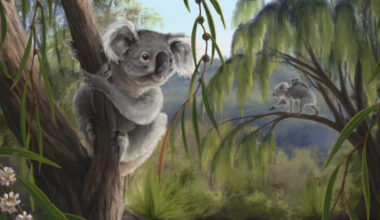
WWildlife Read More New Species of Fossil Koala Found in Museum DrawerMay 7, 2026 Long-overlooked fossils in the Western Australian Museum collection have been identified as a new species of koala. Named…
SScience Read More Scientists Reconstruct One of Oldest Known Neanderthal CommunitiesApril 21, 2026 Mitochondrial DNA (mtDNA) from eight fossils found in Stajnia Cave in Poland reveals a tight-knit group of Neanderthals…