
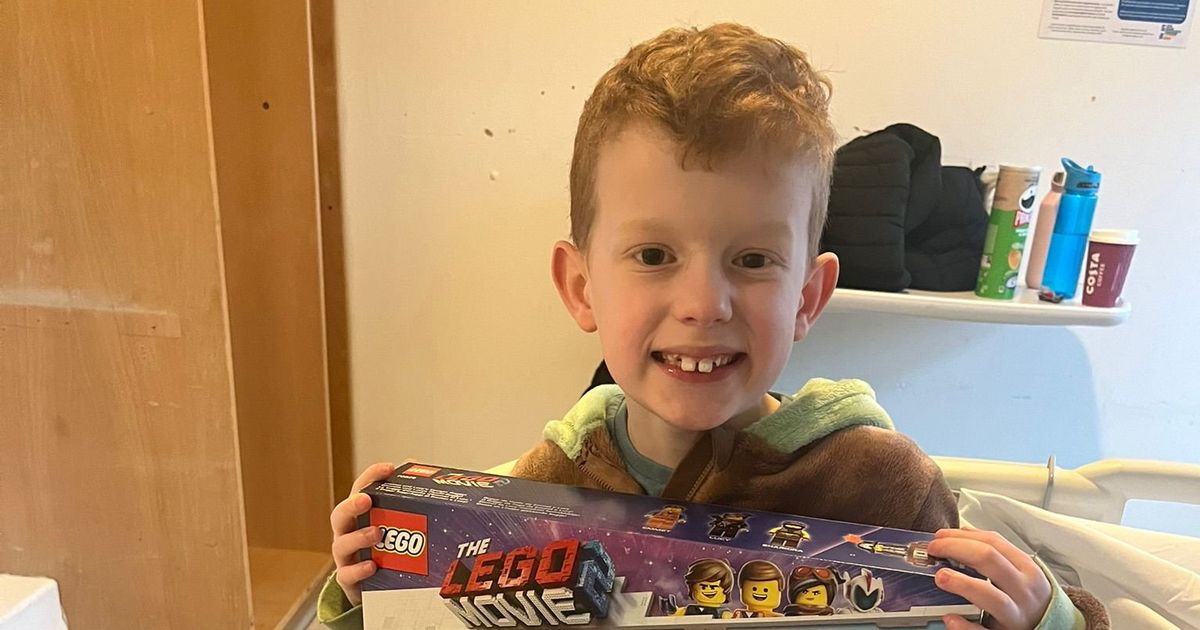
Thomas Pearce began showing subtle symptoms at first
08:22, 15 Sep 2025Updated 08:22, 15 Sep 2025
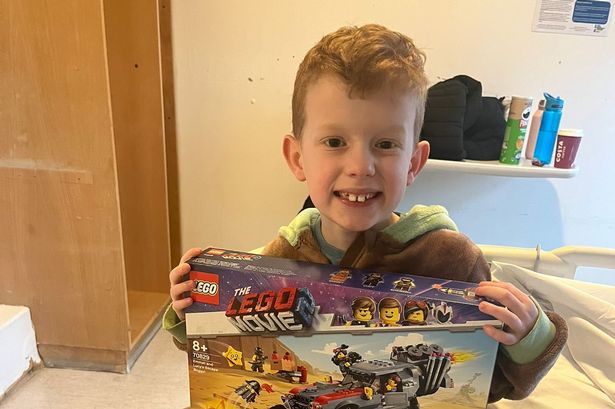 Thomas Pearce had a “slight tremor in his hand”, his mum said(Image: Brain Tumour Research Charity/SWNS)
A nine-year-old boy died from a brain tumour after developing slow speech and memory loss, forgetting how to swim and that it was half-term. Thomas Pearce – who was “cheeky and full of life” – began showing subtle symptoms in February 2024 when his mum, Louise, 45, noticed that “he would take longer to explain things” and had a “slight tremor in his hand”.
But it was only when he “started to forget things” that Louise “knew something was seriously wrong” and took Thomas to Poole Hospital in Dorset. A CT scan revealed a mass on the boy’s brain and he was transferred to Southampton Hospital for further tests, where he was diagnosed with a high-grade glioma – a cancerous brain tumour – eight weeks later.
Thomas began six weeks of radiotherapy, followed by a course of chemotherapy. But on September 12, 2024, the family was left “devastated” to find that the treatment had not worked and the cancer had spread extensively.
Thomas died at home surrounded by his family on November 16, 2024, just nine months after his diagnosis. In memory of their son, Louise and her husband, Gary, 44, will take part in the Brain Tumour Research New Forest Walk of Hope to raise awareness against childhood cancer, later this month.
Louise, a financial advisor from Bournemouth, Dorset, said: “Nothing prepares you for the grief, loss and total devastation. My son had so much more life to live.
“He loved sea turtles, knew every flag in the world, and made everyone laugh. Too many children and adults are dying – and we desperately need change.”
Louise contacted their GP in February 2024, after Thomas started displaying “tiny changes” in his behaviour. “Thomas’s speech became slow and laboured and he would take longer to explain things, ” Louise said.
“Then his teacher told us she’d noticed a slight tremor in his hand. She thought he was nervous because he was presenting to his class.
“But then he started to forget things, he even forgot it was half-term and developed double vision, and forgot how to swim during a lesson. I knew something was seriously wrong.”
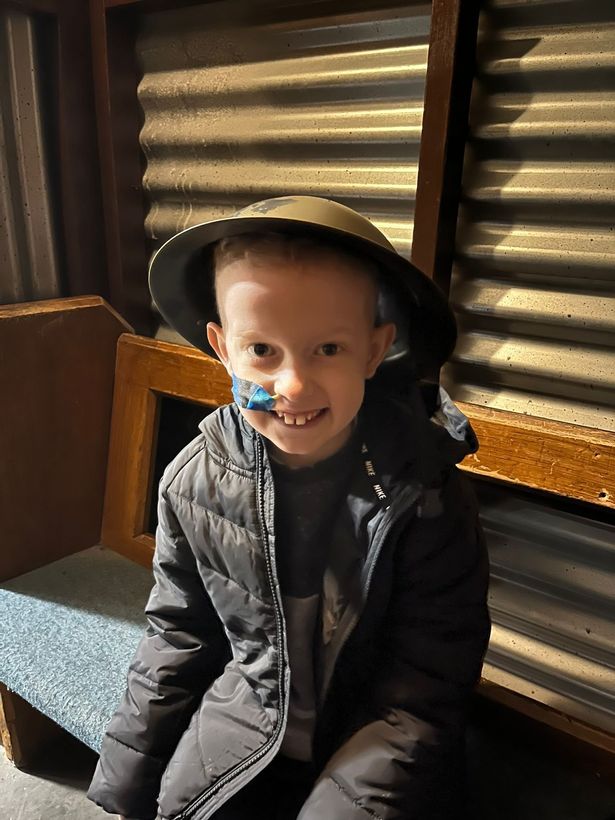 Thomas Pearce began showing subtle symptoms in February 2024(Image: Brain Tumour Research Charity/SWNS)
The GP didn’t consider the symptoms urgent and advised Louise to wait for an appointment. But, concerned about his condition, she took the boy to Poole Hospital for a CT scan, which revealed a mass on Thomas’ brain.
He was immediately transferred to Southampton Hospital for further tests, and eight weeks later, a biopsy confirmed it was a high-grade glioma, eight weeks later. Thomas began six weeks of radiotherapy, followed by a course of radiotherapy. But on September 12, the family received the devastating news that the cancer had spread extensively down Thomas’ spine and further into his brain stem.
Louise said: “At that point, doctors informed us that the treatment was no longer working and was being stopped. We were told Thomas only had a few weeks left to live. It was horrific.”
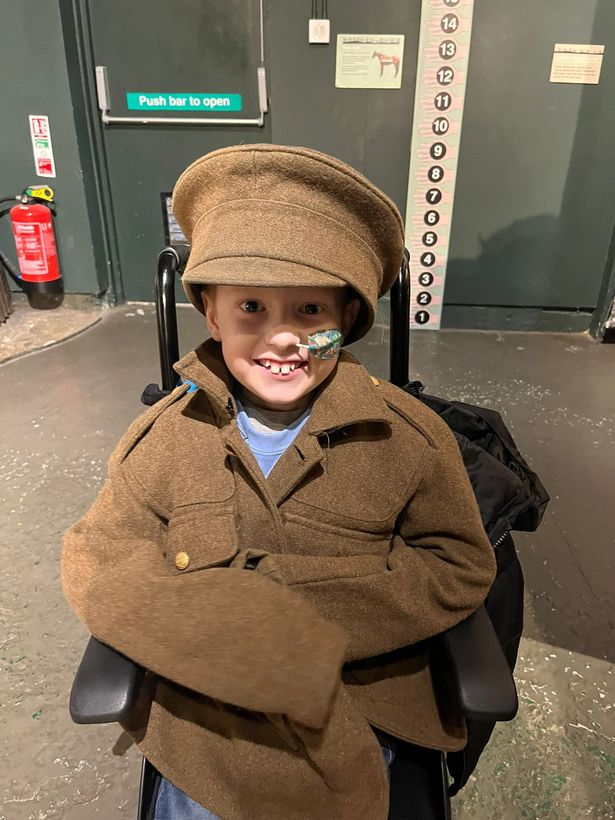 Thomas Pearce(Image: Brain Tumour Research Charity/SWNS)
On November 13 Thomas fell unconscious and three days later he died at home surrounded by his family, aged just nine.
Louise said: “Nothing prepares you for the grief, loss and total devastation. If Thomas had been diagnosed with another type of cancer, he might have had more hope.
“A brain tumour didn’t kill our son – the lack of funding and treatment did. Too many children and adults are dying, not because their cancer is incurable, but because it’s under-researched and underfunded.”
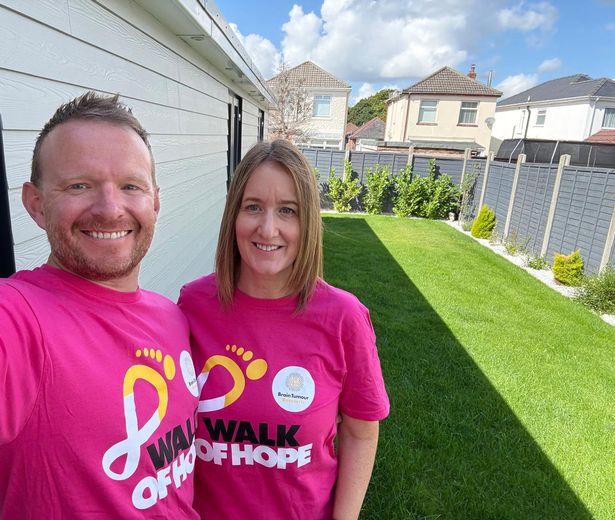 Louise and Gary will take part in the Brain Tumour Research New Forest Walk of Hope to raise awareness against childhood cancer(Image: Brain Tumour Research Charity/SWNS)
The Pearce family, including sons Josh and Charlie, are raising vital funds for Brain Tumour Research by taking part in the charity’s Walk of Hope this month, helping to raise awareness for a disease.
Letty Greenfield, community fundraising manager at Brain Tumour Research, added: “Thomas’s story is heartbreaking, and far too common. We stand with Louise and all the families who have lost loved ones far too soon. This Childhood Cancer Awareness Month, we urge the public to support events like the Walk of Hope and help us push for the funding and research these children so desperately need.”
To support their Walk of Hope and help raise vital funds for Brain Tumour Research, see the couple’s JustGiving page.