
(Credits: Far Out / RCA Records)
Mon 29 September 2025 17:30, UK
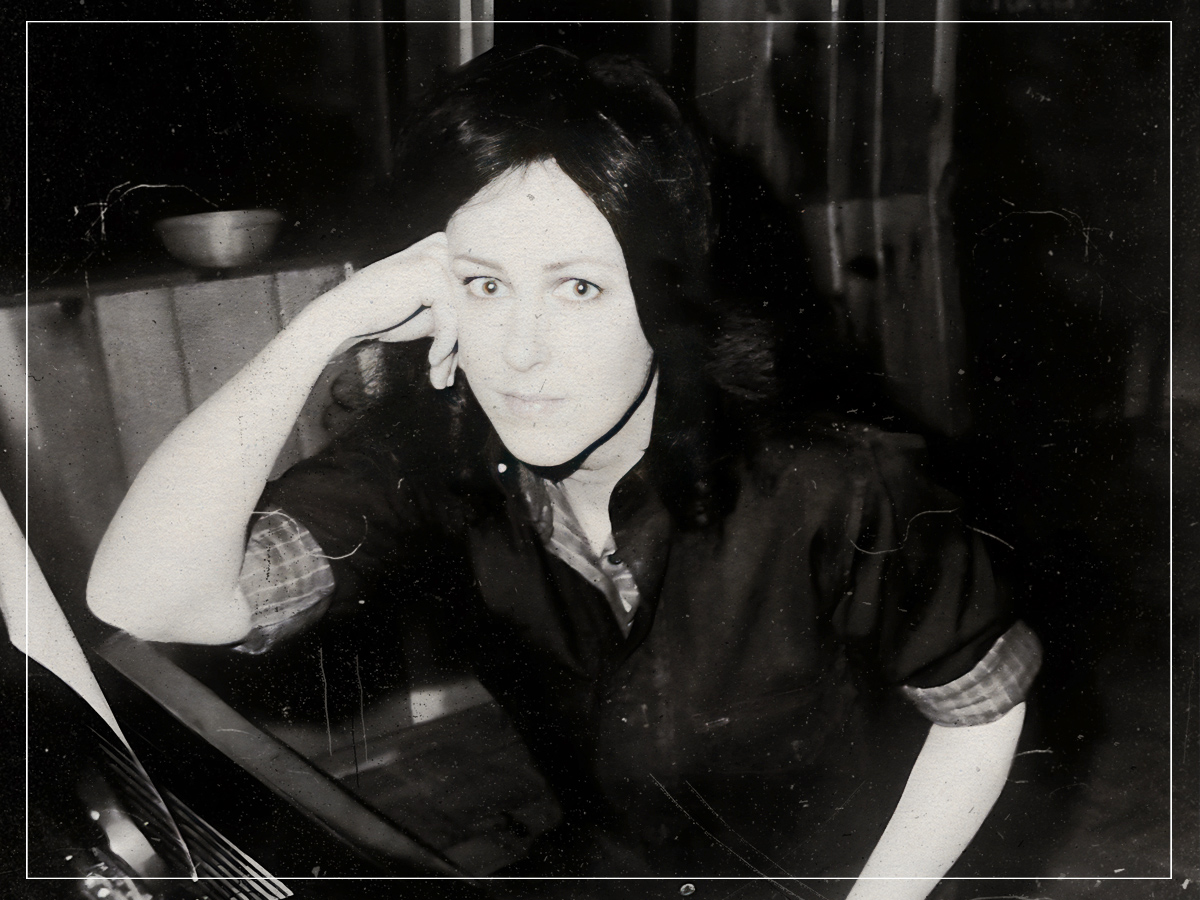
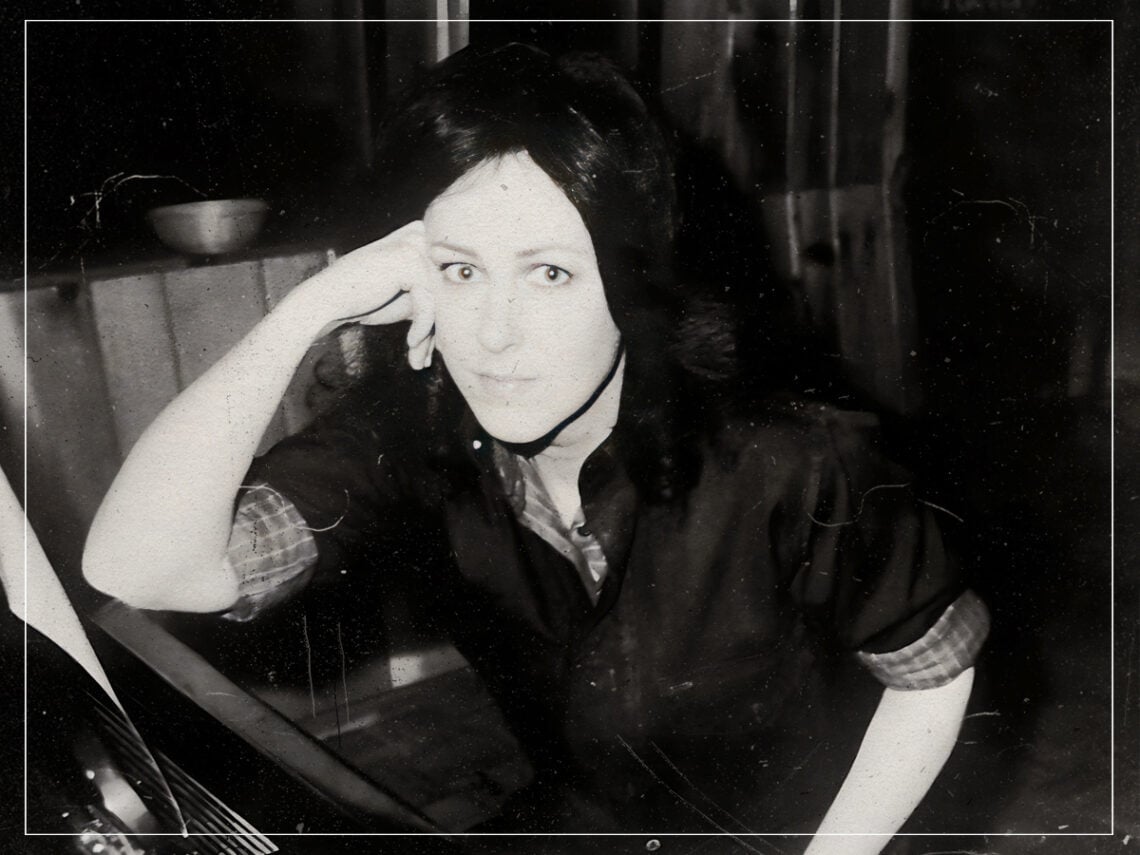
Shock and awe. That was the undercurrent of Grace Slick‘s enigmatic vocal style in the 1960s.
Leading Jefferson Airplane forward into a new psychedelic future, she was less interested in dazzling audience members with dewy-eyed vocal ad-libs, fit for the Broadway theatre and more concerned with transcending the song, through hypnotic mania.
“Alright, friends, you have seen the heavy groups,” Slick told the 1969 Woodstock crowd, as the dawn lifted for their 8am set. Not deterred by the time and instead motivated to change some minds, she said, “Now you will see morning maniac music, believe me. This is a new dawn.”
Her performances were artistic in every sense of the word. On the one hand, it was raucous, spontaneous and psychedelic, providing the necessary performative drama to make her a compelling and hypnotic on-stage watch. But behind that came genuine technical merit. With her two-octave vocal range, she could apply herself to any sonic background Jefferson Airplane deemed fit and elevate it to new heights.
Take the band’s most well-known track, ‘White Rabbit’, for example. Sure, the drum beat marched and the guitar parts almost performed a tango around the rhythm, but it was Slick’s voice that commanded all parts around the track. It was almost as though she was the puppeteer of the entire song, directing the sound with her imposing narration.
It was a performance brimming with the sort of characterful nuance that the more commercially minded simply couldn’t pull off. Were Slick to have preoccupied her performance with pop sentimentality and banality, the track would never have been as enchanting as it was. She was, in many ways, the perfect antithesis to the perfectly polished pop star voice and thus the perfect leader for this psychedelic revolution in the 1960s.
But as the decades moved on, so did Slick’s outlook on music. No longer the youthful voice of a contrarian subculture, but now a student of the industry, marvelling at those from different genres whose voices soar in their own right.
“As far as just a good set of pipes, obviously Barbara Streisand, Celine Dion, Lady Gaga has a pretty good voice,” Slick surprisingly said, when asked about her favourite modern musicians. But she was keen to dial in on one particular voice as the best of them all.
Adding, “What they’re saying may or may not be relevant. But just the instrument itself, like an Amati, an Italian violin, is nothing unless somebody plays it. So Celine Dion has a beautiful instrument, her songs are kind of stupid, but her instrument is good. I’d love it if somebody would write her some good songs. Or she’ll sing ‘My Heart Will Go On’ and she’ll pound with her fist on her heart and I’ll think, ‘Oh, don’t do that, your voice is good enough, you don’t have to be corny.’”
Even in a state of artistic appreciation, Slick can never give up the authentic standpoint from which she has always stood. Maybe softening to the idea of commercial pop with older age, but never losing her sense of performative cliche and its abilities to ruin a truly authentic artistic moment.
Related Topics