
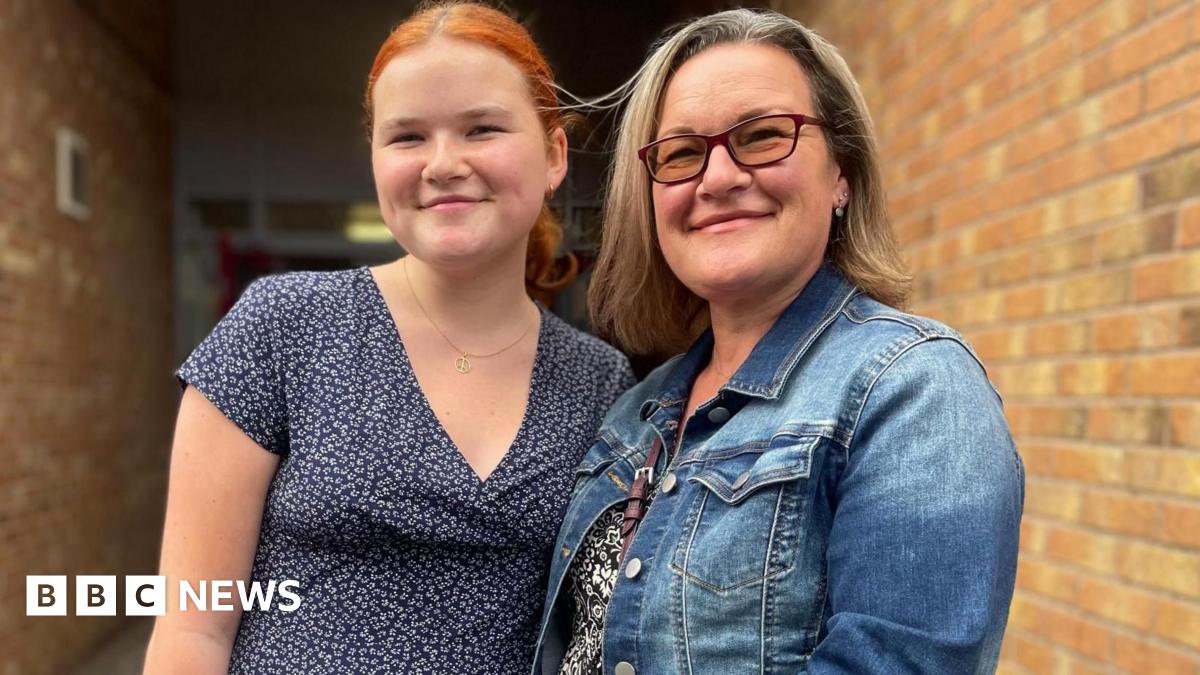
The time away from scrolling meant there had been more opportunities to do other things, Meghan said.
“I got more homework done but talking to my family more was my favourite thing,” she said.
“Before if I was upset I’d go to my room and scroll on TikTok, but now I didn’t have my phone so I chatted much more to my mum.”
The idea for the project came from Liz Hunter, who teaches Personal, Social, Health and Citizenship Education at Ecclesfield.
“You don’t have to work in education to see the growing impact that modern mobile phones increasingly have on our children,” she said.
Ms Hunter said those who took part in the project had reported “so many positives, things like less anxiety, better friendships, better sleep, and more time to engage in other activities”.
Earlier this year, a Parliamentary bill that had suggested banning smartphones in schools and addictive algorithms aimed at young teenagers was watered down to gain government support.
Head teacher Richard Walkden, who has been in charge for eight years as smartphone use has become a greater talking point across the UK, said he was proud of the students and staff who took part.
“My role is to protect childhood,” he said.
“We banned mobile phones from school many years ago. They terrify me. They make kids grow up quicker.”