
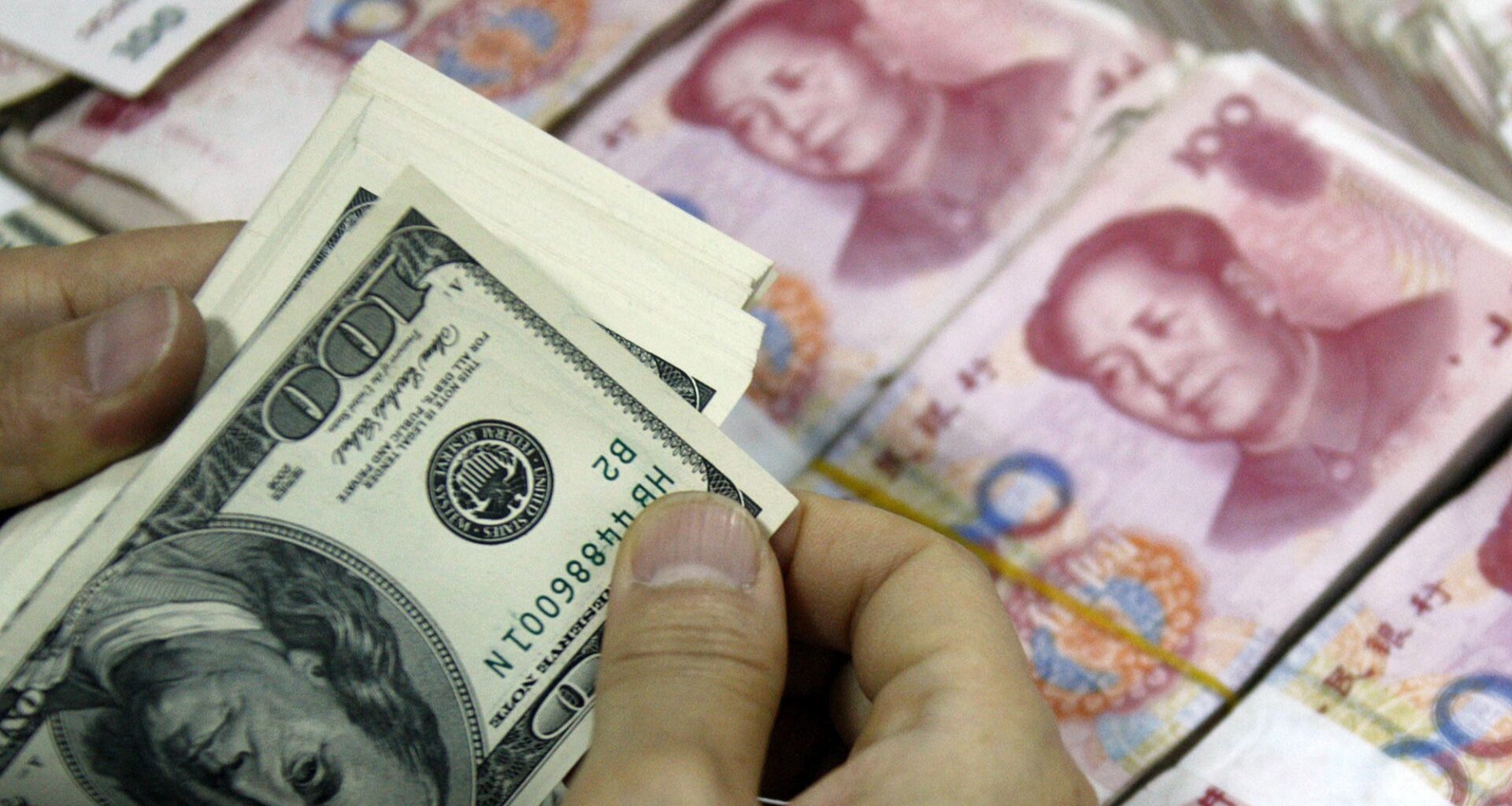
The Chinese renminbi’s share of global currency markets has reached a “record high”, jumping from 7 per cent just two years ago to 8.5 per cent now, according to the latest data from the Bank for International Settlements.
Despite the jump, the renminbi maintained its position as the fifth-most traded currency globally, according to the BIS’s latest triennial survey of turnover in over-the-counter FX markets.
The renminbi saw some of the biggest gains in market share, alongside the Swiss franc, which was the sixth-most traded currency. However, despite pressure from tariffs and sanctions forcing some countries to pursue non-dollar-based alternatives, the dollar remains the most traded global currency, with an 89 per cent share of all foreign exchange trades in April 2025, according to BIS data.
Capital Economics attributed much of the renminbi’s increase to greater trading activity in Hong Kong. The picture elsewhere is “mixed”, the analyst firm said in a report published on Thursday, with the renminbi gaining ground in some emerging economies, and, “interestingly”, the US, but losing market share in global foreign exchange turnover in developed Asia.
According to Capital Economics, foreign appetite for using or holding the renminbi or assets denominated in renminbi is still limited. IMF data, also published this week, showed the renminbi’s share of global foreign exchange reserves remained flat in the second quarter at 2.1 per cent, well below its 2022 peak of 2.8 per cent.
While Chinese officials have successfully “nudged allies” to use the renminbi more heavily for trade settlement — around 30 per cent of China’s current account transactions are now settled in the local currency — most countries run trade deficits with China, making it harder for them to accumulate enough renminbi to pay for Chinese imports, said Capital Economics.
“Many of China’s largest trade partners are, in any case, reluctant to move away from the US dollar to settle trade with China, let alone with third countries,” the analyst firm stated in a report.
Referencing Swift data, Capital Economics added that renminbi’s share of global transactions “remains stuck” at a relatively low level of around 3 per cent.