
IN A NUTSHELL
🏗️ Plans for a 1.2-mile-high skyscraper in Saudi Arabia aim to surpass all existing structures in height.
Foster + Partners, a renowned British firm, is tasked with designing this ambitious architectural project.
The project faces engineering challenges like wind loads and seismic activity, requiring innovative solutions.
A $5 billion investment reflects Saudi Arabia’s vision to transform its economy and infrastructure.
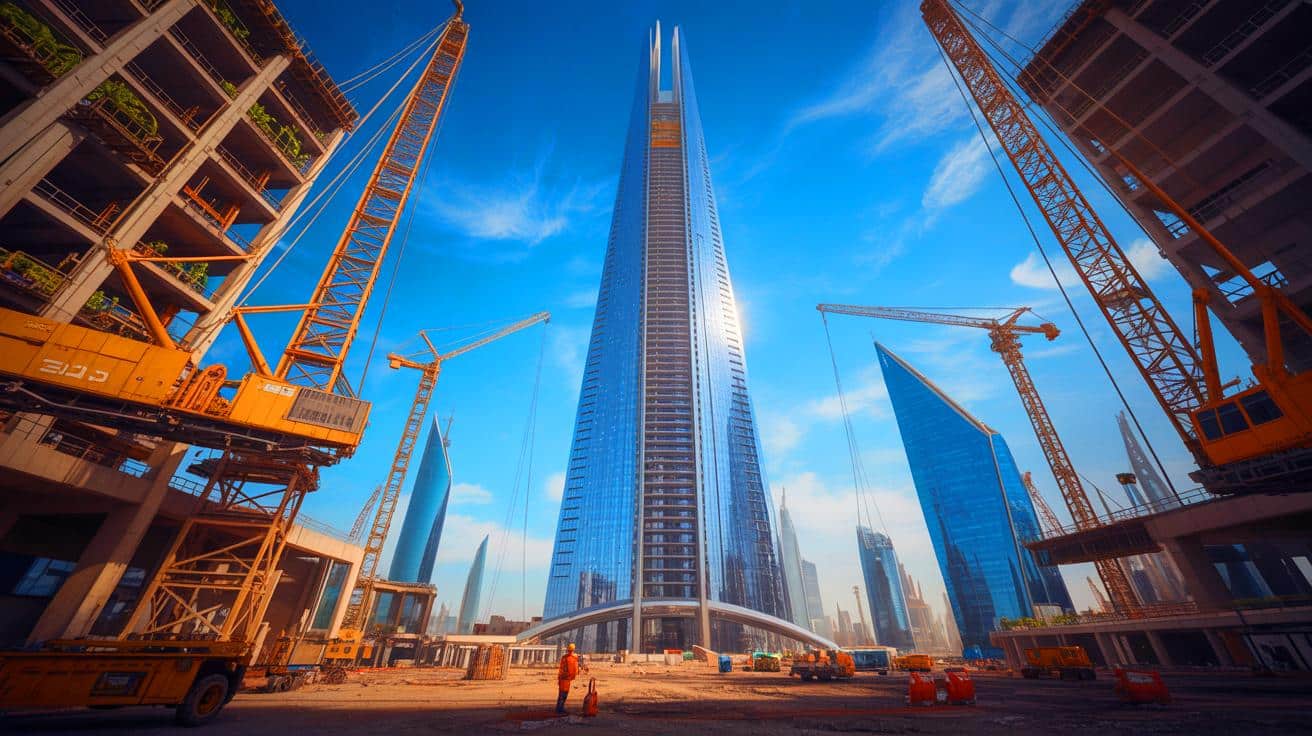
In the realm of modern architecture, where innovation meets ambition, Saudi Arabia is pushing boundaries with plans for a towering skyscraper that could redefine the skyline. Rumors are intensifying about a proposed 1.2-mile-high structure near Riyadh, a project that promises to surpass any existing man-made building. Spearheaded by the renowned British firm Foster + Partners, this monumental endeavor is set to be part of a burgeoning business district known as the North Pole. If realized, this skyscraper will eclipse the tallest structures in the world, including the iconic Burj Khalifa in Dubai and the One World Trade Center in the United States.
The Ambitious Vision Behind the Skyscraper
The proposed skyscraper in Saudi Arabia represents a bold vision of architectural achievement and urban development. Envisioned as part of the North Pole business district, this project is not merely about breaking height records; it embodies a broader strategy to establish Riyadh as a hub of innovation and economic growth. The project’s scale is unprecedented. At 1.2 miles high, it would be 3.5 times taller than the One World Trade Center and more than double the height of the Burj Khalifa, currently the tallest building globally.
Foster + Partners, a prestigious British architectural firm, has been chosen to lead the design. Known for their innovative and sustainable designs, their involvement adds credibility to the ambitious undertaking. The project’s complexity demands cutting-edge engineering and design solutions to address challenges such as wind loads, seismic activity, and foundational stability. While the final design details are yet to be revealed, the project’s potential impact on architecture and urban development is already capturing global attention.
Engineering Challenges and Solutions
Building a skyscraper of this magnitude is fraught with engineering challenges. The sheer height poses significant obstacles, particularly concerning wind pressure and structural stability. Traditional building materials and methods may not suffice, necessitating advanced technological innovations to ensure the structure’s integrity.
Moreover, the geological conditions near Riyadh require meticulous planning. The ground must support the enormous weight of the skyscraper, and the design must incorporate features to withstand potential earthquakes. Engineers will likely explore groundbreaking materials and construction techniques, potentially setting new standards in the field. The project’s success hinges on addressing these challenges while maintaining safety and sustainability. As the project progresses, the architectural community will closely watch how these engineering feats are accomplished.
Economic Implications and Investment
The estimated budget for the Saudi Arabian skyscraper is a staggering $5 billion. This substantial investment reflects the broader ambitions of the Saudi Public Investment Fund (PIF), which is actively financing numerous projects to transform the country’s infrastructure and economy. The skyscraper is part of a series of developments aimed at diversifying Saudi Arabia’s economy beyond oil, positioning it as a global center for business and tourism.
However, the financial implications extend beyond the initial construction costs. The skyscraper’s presence could significantly boost local real estate values and attract international businesses, thereby enhancing the economic vitality of the region. The project’s success could also inspire similar developments worldwide, as countries and cities strive to compete on the global stage. Yet, questions remain about the project’s timeline and feasibility, with the PIF only recently inviting bids for project management, indicating that the venture is still in its early stages.
Skyscrapers and the Future of Urban Development
The proposed skyscraper in Saudi Arabia signals a shift in how cities are conceived and developed. As urban populations grow, the demand for sustainable and efficient use of space becomes more critical. Skyscrapers offer a potential solution by maximizing vertical space and minimizing the urban footprint.
However, the environmental impact of such massive structures must be carefully managed. Innovative designs must incorporate energy-efficient systems and sustainable materials to mitigate the ecological footprint. This project could pave the way for a new era of environmentally conscious skyscrapers that balance urban expansion with sustainability. The architectural world will be keenly observing how these considerations are integrated into the skyscraper’s design and construction, potentially setting new precedents for future developments.
The ambitious skyscraper project in Saudi Arabia represents a bold step into the future of architecture and urban planning. While numerous challenges lie ahead, the potential rewards in terms of innovation, economic growth, and global recognition are immense. As the world watches this project unfold, it raises intriguing questions about the future of urban development and the role of skyscrapers in shaping our cities. How will this monumental endeavor influence architectural trends and urban landscapes in the coming decades?
This article is based on verified sources and supported by editorial technologies.
Did you like it? 4.4/5 (24)