
The Estyn report found that secondary school pupils were using AI for tasks such as summarising revision notes and creating quiz questions tailored to exam content.
But it found that there were big variations in how much pupils used it.
Some were “more fearful, concerned about what use is permissible and worried that teachers will accuse them of cheating if they do use it”.
Thirteen-year-old pupils at Birchgrove Comprehensive said they used it for revision and to go over what they had learnt in a lesson.
“I think it’s useful. Teachers can find out if we’re cheating or not but when you use it in the correct way it can help you”, said Grace.
Maya said: “If I’m curious about something in the house I might ask AI and they will answer me.
“If I don’t get anything in class, I’ll search it up and ask it to break it down for me”, Emilia said.
“I double check it on lots of other websites to make sure it’s definitely the right answer.”
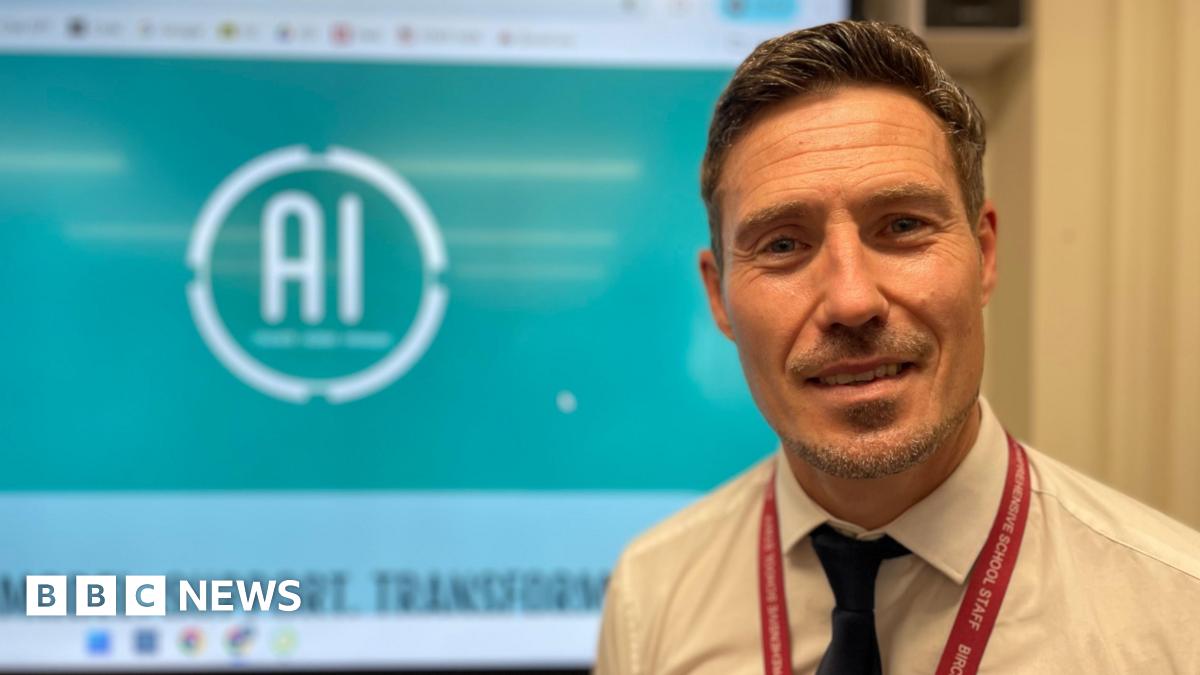
Overall Estyn found most schools they visited were “in the early stages of exploring the benefits of AI, with pockets of experimentation led by digitally confident and curious staff”.
But in most cases, “AI adoption was ad hoc and usage varied considerably between individuals, phases of learning and departments.”
It said many staff “were excited by the potential of AI but wary of its use” adding that they “generally expressed caution about AI’s potential issues, such as accuracy, bias, and safeguarding risks”.
The report said using AI to draft letters and reports had helped some schools by “substantially reducing administrative workloads” freeing up staff to focus more on pupils.
Teachers also told Estyn that AI could be effective for tailoring resources to individual pupils, particularly those with additional needs.