
AUTUMN was in full swing during my most recent trip to Askham Bog nature reserve on the edge of York; acorns galore covered the boardwalk, the trees were turning autumnal gold and a flock of finches darted by in search of food. The clocks go back in just a few weeks, officially marking the end of British summer time. Shorter days doesn’t mean the yearly wildlife spectacles are over, however – indeed, late autumn and winter bring with them their own host of magical moments just waiting to be enjoyed. Here are a few seasonally spooky ones!
Bats
October 24th – 31 marks Bat Week, an international celebration designed to raise awareness about these creatures of the night. Bats have got rather a bad reputation over the years, associated heavily with Count Dracula and blood-sucking – especially around Halloween! However, there are an amazing 18 species of bat in the UK, none of which suck blood but all of which are vital for our ecosystems.
From the tiny pipistrelle bat, which weighs the same as a 2p coin, to the noctule bat dwelling in trees, our bats work hard as pollinators, insect control and seed dispersers – without them we would live in a very different world!
Bats are less active as the winter draws in and mating season finishes, but you can still spot them if you know where to look! Yorkshire Wildlife Trust run bat walks right up until the end of October, so do take a look at our events listings to see who you can spot – or hear – whizzing around in the dark of night.
Fungi
Pipistrelle bat. Credit: Tom Marshall(Image: )
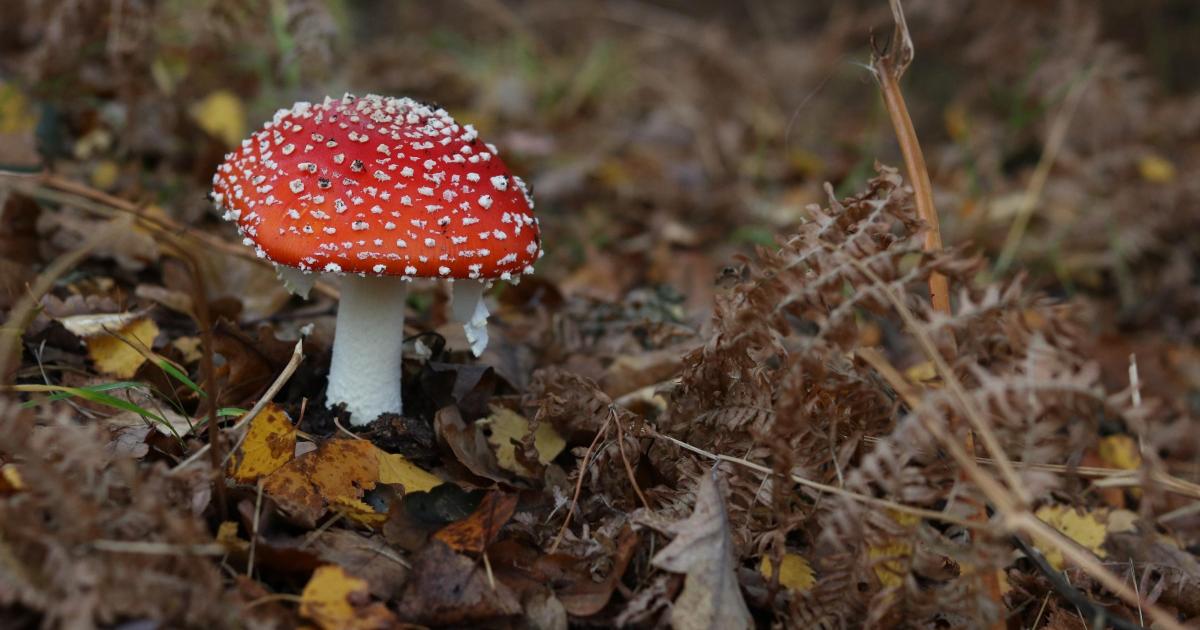
Fabulous, fabulous fungi – an autumn spectacle, with some excellently spooky names! The candlestuff fungus looks like a pair of bare stags horns or a recently blown-out candle, the devil’s fingers fungus resembles some sort of evil octopus or squid, and the stinkhorn fungus smells foul – and its mature body looks disturbingly finger-like! Not to mention the quintessential childhood (and extremely toxic) fly agaric mushroom, and fairy rings formed of mushrooms found deep in the woods…
Fungi are truly an amazing autumn sight and great fun to spot on a woodland walk. You can find many of them, including the ones mentioned above, at reserves such as Potteric Carr and Moorlands. Best not to touch fungi, but admire and take a photo.
Barn owls
Barn owl. Credit: Gary Cox(Image: )
Owls have had a mixed history in the mythology of England, variously believed to bring both bad and good luck – much of this stems from the owl’s association with night and darkness. Historically they were also believed to be able to predict storms!
Owls are almost inaudible in flight, a skill afforded to few other birds and a result of their unique feather structures and wing size – much larger in comparison to their body than many other birds. They also fly much slower than many other birds to remain silent to their prey, which often means more of an experience for any lucky watcher. They make a ghostly screeching sound which can be a bit disconcerting if unexpected, and their pale colour means they have sometimes been mistaken for ghosts.
Try Staveley nature reserve near Ripon for a glimpse of our resident barn owl – dawn or dusk if possible.
Want to find out more about seasonal wildlife and where you can spot it? Check out what reserves are near you at www.ywt.org.uk/nature-reserves and explore your wild Yorkshire.