
It has been clear for a while that something was up on the government’s plans to wind back superannuation concessions for retirement accounts worth more than $3m.
Announced way back in February 2023, Labor had gone quiet on the plan to impose an extra 15% tax on earnings for the most well off.
Despite winning a stonking victory at the May election, and with the Greens broadly amenable, negotiations on changes affecting just 0.5% of savers never really took off. The legislation itself went nowhere.
Then last week, Treasury revealed Anthony Albanese’s office had become involved, as the department mulled concerns raised by vocal critics, including lobbyists for cashed-up retirees.
Sign up: AU Breaking News email
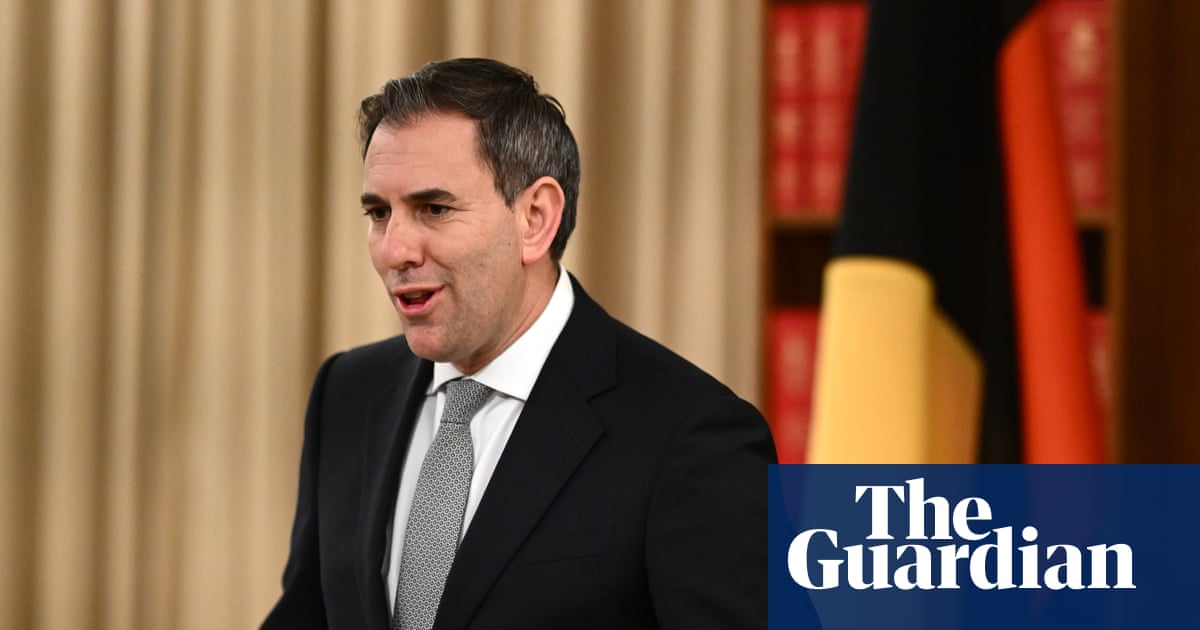
On Monday, with the prime minister on a week off, the treasurer Jim Chalmers ended the guessing game and confirmed a backdown.
As part of a major redesign, he promised to index the threshold to alleviate fears that more Australians would be caught by the tax over time. He also ditched one of the most controversial elements, taxing unrealised gains, which investors had warned would leave people with tax bills they might not have the cash to pay. Now only future realised earnings will be hit.
To recoup some of the lost revenue, Chalmers introduced a higher 40% earnings tax rate for the 8,000 accounts with balances over $10m. That threshold will also be indexed.
Separately, the low-income superannuation tax offset will be increased and eligibility thresholds raised. The start date has been pushed back to July 2026.
Insisting he wasn’t responding to months of criticism on the front pages of newspapers or from the opposition, Chalmers said he’d found a different way “to satisfy the same objectives”.
The original proposal would have raised $2.7bn, while the new approach will raise about $2bn in 2028-29 (its first full year of operation). Much of the change is from the delayed start, with $435m lost to changes to the low-income offset.
Chalmers confirmed he’d had an initial discussion with the leader of the Greens, Larissa Waters, on Monday. The minor party will now formally consider its position.
But another superannuation stakeholder is clearly pleased. Former prime minister Paul Keating welcomed Chalmers’ announcement, saying the changes would rein in some of John Howard and Peter Costello’s policy largess, including expensive concessions introduced to win “the grey vote”.
Keating has been a vocal critic of Albanese on foreign policy and the Aukus agreement, and was understood to have reservations about the $3m super plan. But Chalmers appears to have brought him back into the tent, on super at least.
Keating called the new plan “a huge policy achievement”.
skip past newsletter promotion
Sign up to Breaking News Australia
Get the most important news as it breaks
Privacy Notice: Newsletters may contain information about charities, online ads, and content funded by outside parties. If you do not have an account, we will create a guest account for you on theguardian.com to send you this newsletter. You can complete full registration at any time. For more information about how we use your data see our Privacy Policy. We use Google reCaptcha to protect our website and the Google Privacy Policy and Terms of Service apply.
after newsletter promotion
Labor will be pleased to have the reset locked in.
Equally, elements of the attack job from the usual suspects were badly overblown, including claims the plan would have destroyed venture capital in Australia. Just 5% of the nearly $35bn committed to Australian venture capital in 2023-24 came from self-managed super funds, according industry department figures.
But budget watcher Chris Richardson said the backdown was proof it is getting harder to make good policy in Australia, just as Labor insists they are up for big ideas coming out of the economic reform roundtable.
“Today’s timidity worries me,” the respected economist said.
Richardson is right. Broader inequity within the super system needs addressing, including elements stemming from the fact that retiree withdrawals and earnings are tax free.
If they are to fix the budget, provide growth and achieve the intergenerational fairness Albanese and Chalmers say Australia so badly needs, much bigger fights than this will be necessary.
With huge political capital, a straightforward Senate pathway and a shambolic opposition, now isn’t the time for timidity. Labor shouldn’t keep the country guessing.