
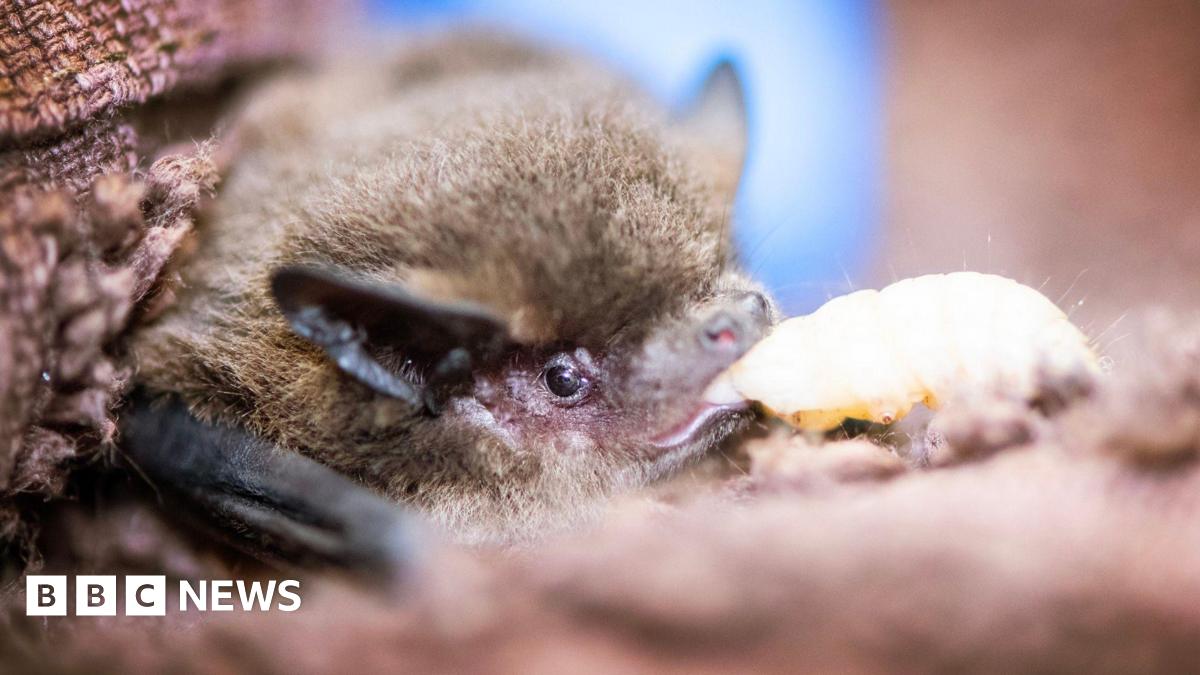
The charity added that the bat had a “newfound fear of large bodies of water” and advised people could check toilets for bats before flushing.
Hospital founder Sue Schwar said it was difficult to work out how the bat ended up in the toilet, but suspected it could have been looking for water to drink.
She added: “We find animals in all sorts of weird and wonderful places. It just never ceases to amaze me.
“They’ve got no concept of ownership of gardens or houses or even toilets.”
Ms Schwar said pipistrelles are small brown bats which usually have a wingspan of about 20cm.
She explained they are one of the most common species of bat in the country, and like all bats, they have a protected status.