
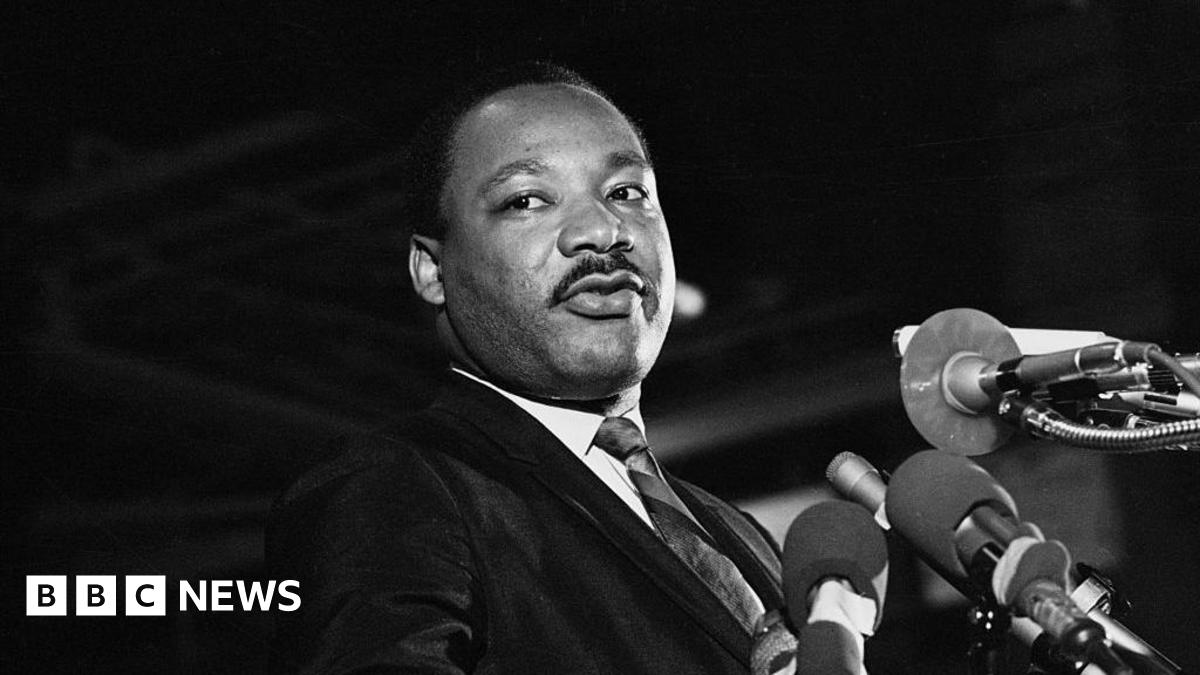
The rise of deepfakes – videos which have been altered using AI tools or other tech to show someone speaking or behaving in a way they did not – have sparked concerns they could be used to spread disinformation, discrimination or abuse.
OpenAI said on Friday while it believed there were “strong free speech interests in depicting historical figures”, they and their families should have control over their likenesses.
“Authorised representatives or estate owners can request that their likeness not be used in Sora cameos,” it said.
So-called “cameos” on the platform allow living people to consent to having their face or resemblance used in further AI videos on Sora.
OpenAI told the BBC in a statement in early October it had built “multiple layers of protection to prevent misuse”.
And it said it was in “direct dialogue with public figures and content owners to gather feedback on what controls they want” with a view to reflecting this in subsequent changes.