
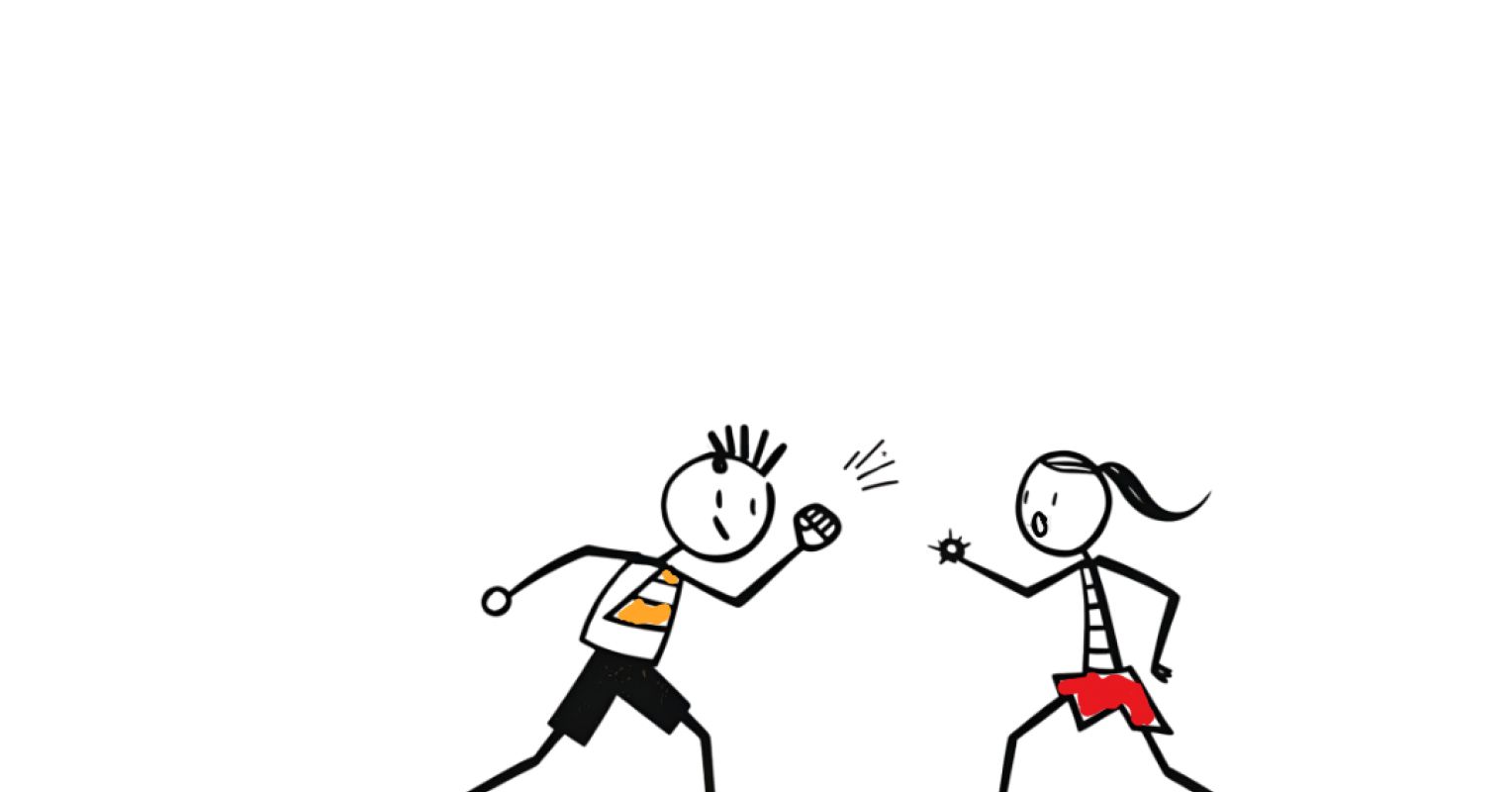
Talking to my family and my friends, looking at national polls, and feeling the quiet despair within myself, it seems we, as a country, are not in a good place. Adolescent anxiety is at record highs. The Department of Health and Human Services has called ‘loneliness’ a national epidemic. The number of people who describe members of the other political party as ‘evil’ or similar terms is rising.
As a researcher who studies adolescents, I am profoundly saddened by the weekly reports of shootings at what should be affirming gatherings – homecoming games, school dances, and festivals. The very events that should be bringing us together and building community are becoming sites of sadness and grief. Where I live – northeast OH – they are being canceled to protect student safety. My son called this morning to say that two students in the high school where he teaches were shot walking home from a homecoming game.
Even drivers seem aggressive – speeding, ignoring courtesy. Windows blacked out so you can’t see other drivers. License plates frequently missing or obscured. We are increasingly anonymous, which further increases the likelihood that we act without consideration – or even cruelly – towards one another.
Bitter partisan attacks – from both sides – are one of the many factors feeding into this. And the siloing of our lives – on social media, but also in our neighborhoods, churches, and workplaces – means we live in echo chambers. One person makes a comment moving discussion of the ‘other side’ from issues to ad hominem attacks, body shaming, or contempt. When we believe everyone agrees, no one checks each other, and our conversations move more and more into demonization.
Bridging the partisan divide
I don’t think any of this makes us happy.
We have lived through other times of deep political divisions. McCarthyism and the Red Scare in the 1950’s were a particularly frightening and bitter historical era.
In 1953 Muzafer Sherif did a classic experiment – The Robbers Cave – to see if working together towards a shared goal could bring opposing groups together. He performed the experiment with young boys in a summer camp. The experiment had 3 phases:
Creating two arbitrary groups of campers
Systematically creating hostility and enmity between the groups
Bringing the groups back together by creating a common threat to unite them
There are many nuances to the study – and ethical questions a well. Nonetheless, the core finding that exposure and common purpose reduce inter-group friction is well documented and has been replicated across countless studies.
Building bridges in your own life
Applying Sherif’s findings is not going to happen by happy accident.
Algorithms in social media drive divisions. YouTube feeds us ever more extreme videos every time we watch. Facebook, Instagram, and Twitter all promote posts with clicks. Cruelty and hatred sells even better than sex.
Our neighborhoods, churches, and even our workplaces tend to sort us into groups just like ourselves. And homophily – liking others like us – makes it easier. We choose friends we agree with and are comfortable with others who share our view. I have read many recent letters to advice columnists talking about not even chancing friendships with people that have not been politically vetted.
If you want to live in a kinder, gentler world, you will need to work for it. How?
Some suggestions that are creating more heterogeneous spaces in my own life:
Create and enforce politics free zones. I am in an open band of musicians that has being playing together for almost 50 years. One of our cardinal rules is ‘no politics’. We talk about our lives, about music, about pets. I have suspicions about the political affiliations of many of my bandmates. But I don’t actually know, because we can’t talk about it. Why? Because by mindfully creating a non-partisan space, we make space for everyone to join. It also makes the time I spend playing with the band a much less stressful zone. Feelings run high. We all share a love of music. I can mind the kindness and courtesy of my speech.
Volunteer based on shared interests. All sorts of kind people love animals. Many people want kids in schools to learn. Blood donations go to all. One of the things I love about volunteering is that people who volunteer tend to altruistic and caring. Those are qualities that cross partisan lines. Working with others towards a common goal is exactly what Sherif describes to bring people together. One of my best friends is someone with whom I disagree mightily on politics. But there are many values and experiences we share and my life is much richer for knowing her.
Become a poll worker. This may seem like a strange suggestion to reduce political friction, but it is one that that I find most helpful in my own life. As a poll worker, we are paired – Democrat and Republican – to work together to ensure the fairness of the election. I am consistently impressed by how tirelessly the election officials in our county work to ensure and free and fair election. On Election Day, we’ve trained together and dragged ourselves out of bed to arrive at a polling place at 5:30 in the morning to be set up and ready when polls open. We sit next to each other to help voters in bipartisan teams to insure a fair election. That is the shared goal.
It is a long day – usually from 5:30AM to 8:00PM. Longer if it’s a busy day. We have a lot of time to talk. And we cannot talk about politics. It turns out we have many other things in common – kids, gardening, vacation plans, reading, much loved TV shows. I always leave the day feeling much better about the world and about people I know I disagree with.
Don’t give up the fight
Creating non-partisan spaces and a place for people we disagree with does not mean giving up our beliefs. Or fighting for them! But it may make that fight more reasoned, and create more space for finding a common goal that all of us share.