
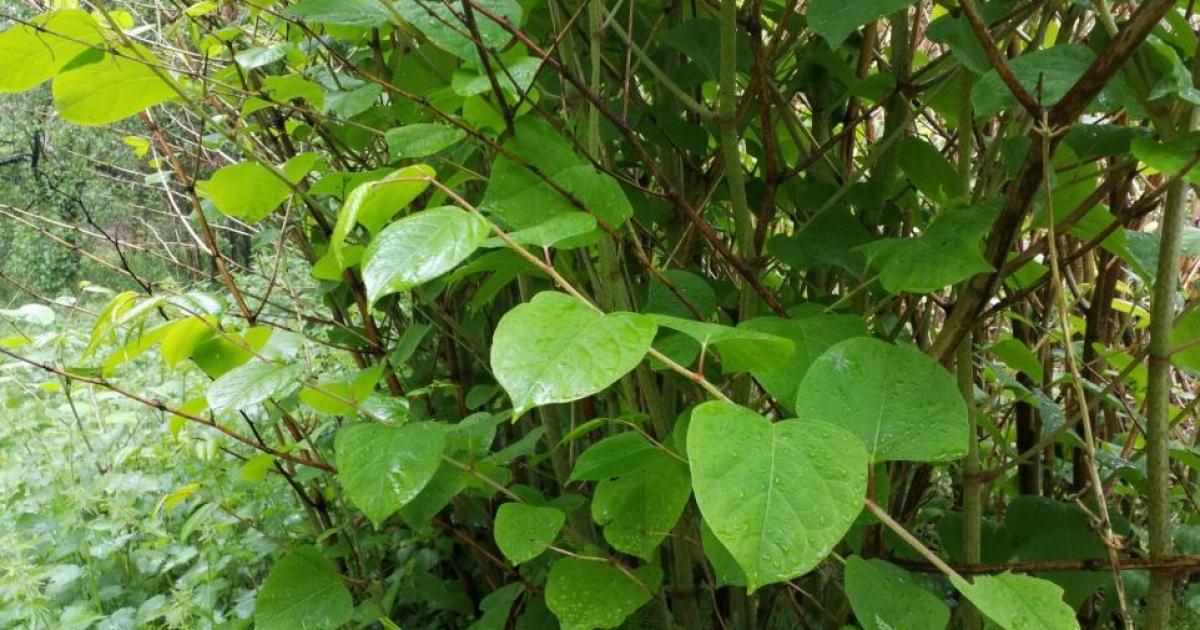
Propertymark has urged homeowners to be on the lookout for the plant, which can grow up to 10cm a day in the summer months.
The organisation warned that the plant can cause “serious damage” if left untreated.
It can be mistaken for a harmless, even pleasant, addition to a garden, but its rapid growth and invasive nature can lead to costly impacts on properties.
This plant can grow up to three metres tall and force its way through expansion joints in concrete, cavity walls, and damaged mortar between paving slabs or bricks.
It can also block drains and sewers.
If left unaddressed, it could potentially cause substantial structural damage, especially to character homes, says Propertymark.
The body advises seeking expert advice to plan an effective treatment regime for Japanese Knotweed and to help minimise any potential return.
Identifying the plant can be difficult, as it goes through various growth stages throughout the year.
In spring, it shows red or purple shoots, transforms into green bamboo-like stems, and by early summer, it is fully grown at three metres high.
By late summer, the plant flowers produce clusters of spiky stems with tiny creamy-white flowers.
The leaves are green and have a unique flat, shovel, or heart-shaped appearance.
Treatment usually involves either herbicide usage or physical removal through excavation.
The selected contractor should provide a detailed post-treatment management plan.
However, there’s always a possibility of regrowth.
The presence of Japanese Knotweed can also affect house sales, with some lenders taking a cautious approach.
Former NAEA Propertymark president Michael Holden said: “When buying a home, the key issue is to make sure that you ask the vendor and the estate agent as to whether the property has had any present or historic issues with Japanese Knotweed or invasive plant species generally.
“Bamboo, for example, is now becoming more of a concern.
“Where there are potential issues, it is advisable that a specialist survey is undertaken to identify invasive plants in the property’s garden and any other matters that would require further investigation.”
Most UK lenders may still lend to consumers if they are assured that the problem can be treated effectively.
Propertymark encourages homeowners to use Environet’s free identification service to check for any invasive plant species in their gardens.