
Four academics, from the UK and the US, argued that costs for nuclear power are “huge” and “rising” and that “significant delays” in getting projects online are the norm.
They also described how in the space of a year nuclear “adds as much net global power capacity as renewables add every two days”, and criticised the drive by Labour ministers to deregulate the industry.
READ MORE: 27 Westminster MPs visited Israel during Gaza genocide – see the full list
The group of academics includes Amory Lovins and Professor Mark Jacobsen, from the University of Stanford, Professor Stephen Thomas, from the University of Greenwich, and Dr Paul Dorfman, Bennett Scholar at the University of Sussex.
In a joint statement, published in The National, they say that Ed Miliband’s plans to assess Scottish sites for nuclear projects and Keir Starmer’s plans to usher in a “golden age of nuclear” with Donald Trump are hampered by a “few awkward facts”.
They said: “The reason is simple. Nuclear costs are huge, rising, and significant delays are the norm.
“The result is that nuclear power faces the same fundamental challenges as fossil fuels – uncompetitive costs, stranded assets, a polluting legacy, and unrivaled competition from renewables.”
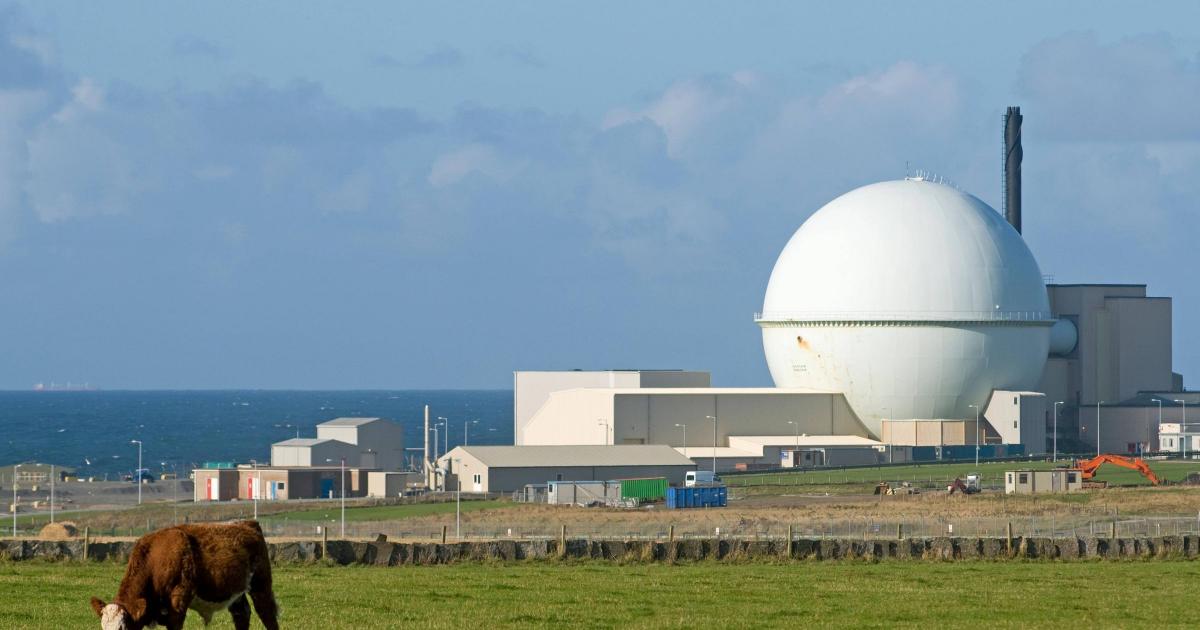
(Image: Chris Furlong/PA)
They also criticised the Prime Minister’s claim that regulation has hampered the nuclear industry in the UK.
“Whilst blaming regulators for things going wrong has always been a fallback excuse for the nuclear industry, the worrying thing is that for the first time it’s governments that are backing the nuclear industry against their appointed regulatory bodies, with the UK and the US leading the way,” they said.
They argue that the evidence does not support claims that regulations have led to huge delays. Instead, they point to the evolution of renewables as proving “real hope”, as costs are falling, whereas they are rising for nuclear projects.
“In terms of cost, time, and do-ability, it’s renewable expansion in all sectors, energy efficiency and management, rapidly advancing storage technologies, grid modernisation, interconnection, and market innovation from supply to service provision that will power the energy transition,” they added.
We previously told how experts said that nuclear power has no place going forward in Scotland.