
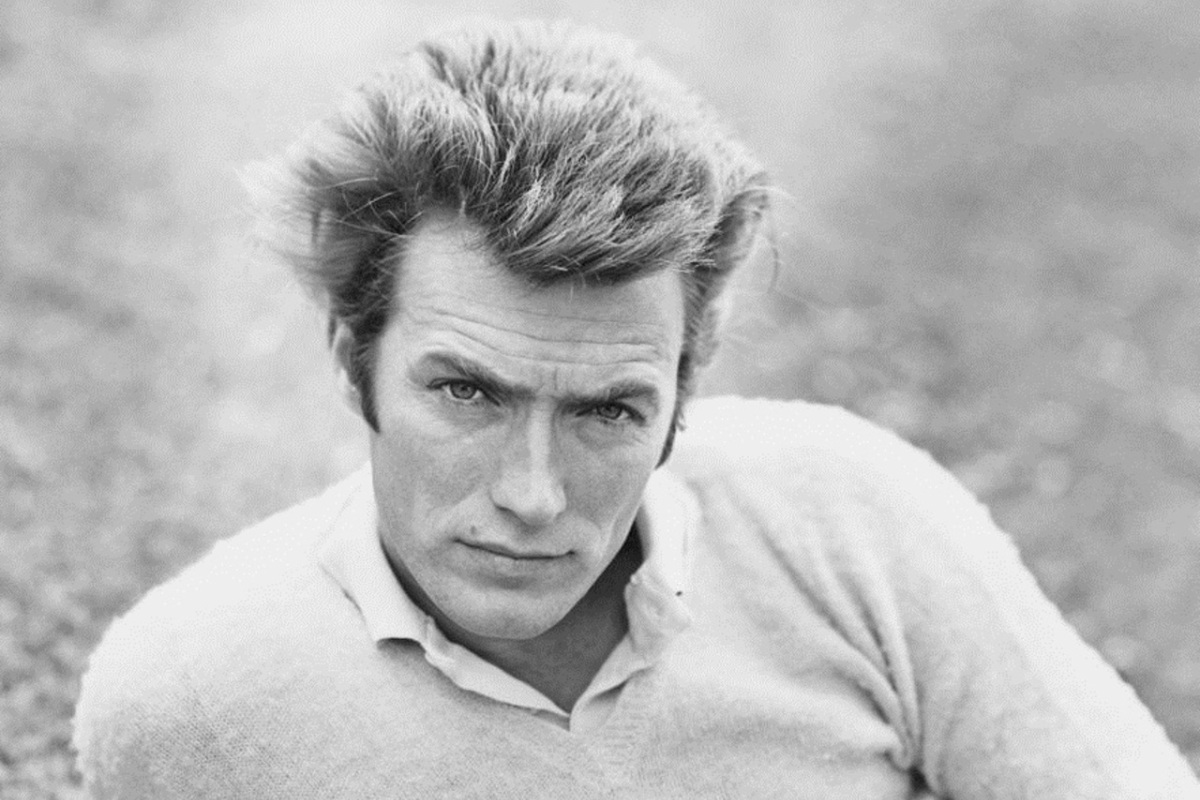
He had the rights, the clout, and the swagger, yet Clint Eastwood walked away. Which role did he pass on that turned his replacement into an era-defining action icon?
Before Die Hard hit theaters in 1988, the lead looked set to go a very different way. Clint Eastwood had first crack at John McClane but bowed out after missing the script’s sly humor, according to screenwriter Jeb Stuart. The role landed with Bruce Willis, and the ripple effect was instant, transforming his career and reshaping the modern action hero. This is the backstory of the casting scramble, the novel that seeded it, and the studio gambles that steered a classic now streaming on Disney+.
The role Clint Eastwood let slip away
Decisions shape destinies. Few in Hollywood history illustrate this better than the time Clint Eastwood passed on what would become one of the most legendary action roles of all time. That role? John McClane in the 1988 blockbuster Die Hard. By stepping aside, Eastwood inadvertently paved the way for Bruce Willis to transform into a household name. But what led to this pivotal moment?
Die Hard: where action met cultural history
Die Hard premiered on July 14, 1988, directed by John McTiernan and destined to become a cultural touchstone. Bruce Willis starred as NYPD officer John McClane, who finds himself caught in a high-stakes game of survival in a skyscraper taken over by Hans Gruber, played brilliantly by Alan Rickman. The film, inspired by the novel Nothing Lasts Forever by Roderick Thorp, did more than entertain, it rewrote the rules for action cinema. With its mix of explosive set pieces, biting humor, and human vulnerability, it transcended genre conventions. And to think, this phenomenon might have taken a very different shape if Eastwood had stayed attached.
Eastwood’s surprising decision
Clint Eastwood did not just consider Die Hard, he reportedly owned the rights to Nothing Lasts Forever in the late 1970s and intended to produce and star in an adaptation. When the project shifted direction at the studio, he declined to continue. According to screenwriter Jeb Stuart, a key friction point was the script’s tone, especially its humor, which sat far from Eastwood’s grittier, stoic persona. That choice opened the search to a wider pool of actors. Ironically, Eastwood’s imposing star power might have overshadowed the role’s everyman appeal, while Willis’s lower-key profile let McClane be the standout.
The casting shuffle: stars who almost wore McClane’s shoes
If not Eastwood, then who? The casting process for Die Hard showed how uncertain the studio was about its lead. Names like Harrison Ford, Richard Gere, and Sylvester Stallone were considered, along with Burt Reynolds and Don Johnson. Yet Willis, a surprise choice best known for the TV hit Moonlighting, ultimately landed the part. It proved a masterstroke, his mix of sarcasm, resilience, and relatability becoming a template for modern action heroes.
What if? A single choice with lasting ripples
It is fascinating to imagine Die Hard with Eastwood at the center. Could he have delivered the iconic line “Yippee-ki-yay, [expletive]” with the same wry charm? Would the movie have leaned toward a straight thriller instead of blending humor with high-octane action? Eastwood’s absence left a compelling what if, but Willis’s presence more than filled the gap, cementing him as one of Hollywood’s enduring action stars.
Ultimately, Eastwood’s decision not to pursue Die Hard underscores the unpredictability of Hollywood. One choice helped propel Bruce Willis’s career and allowed Die Hard to become a genre-shaping masterpiece. By stepping away, Eastwood created space for a new kind of action hero, ensuring McClane’s appeal would endure for decades.