
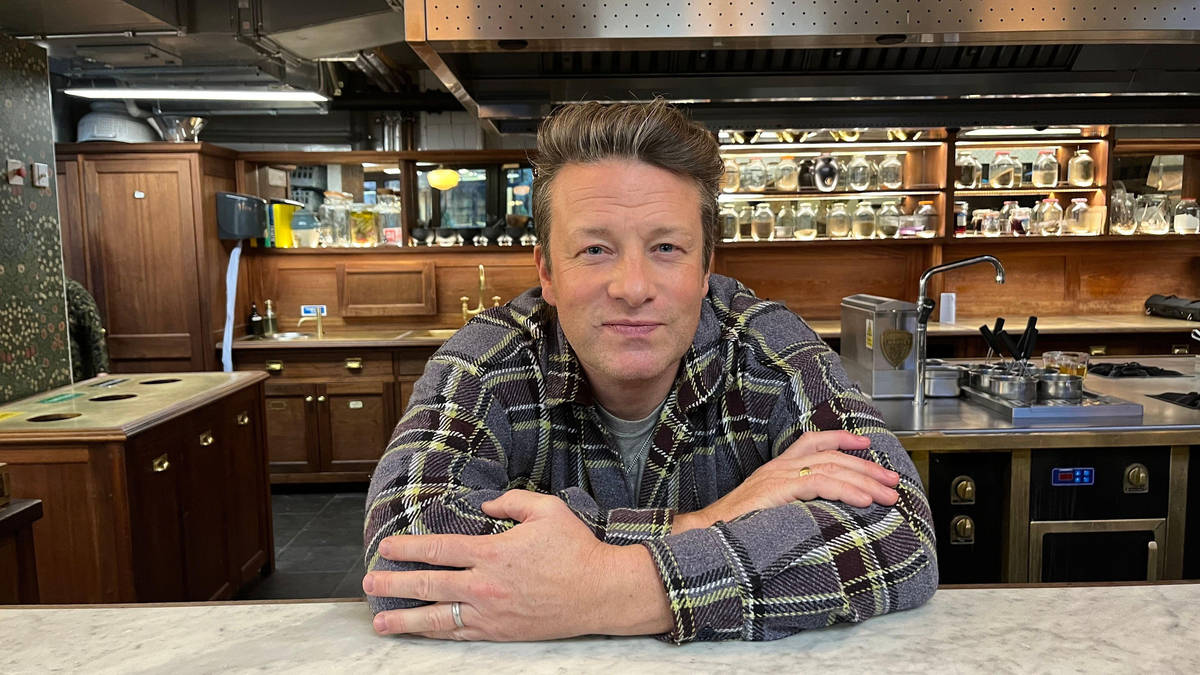
Celebrity chefs and leading retailers are among those supporting a new campaign to double the UK’s bean consumption.
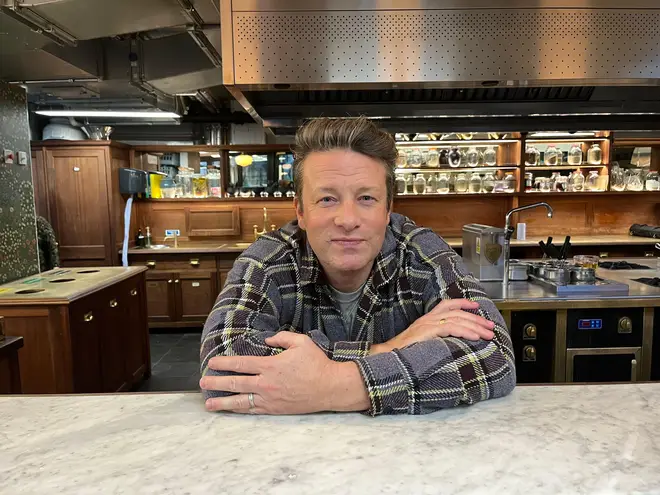
Jamie Oliver is supporting the campaign which aims to double the UK’s consumption of legumes.
Picture:
Alamy
Jamie Oliver has joined a number of celebrity chefs and major supermarkets in supporting a national campaign to double the UK’s bean consumption by 2028.
Alongside fellow chef Hugh Fearnley-Whittingstall and leading retailers including Tesco, Oliver has backed the “Bang in Some Beans” initiative – a campaign led by The Food Foundation and Veg Power.
The initiative aims to encourage people to eat more beans and other legumes, highlighting their health benefits, affordability, and positive environmental impact.
Health experts have warned that only 4% of people in the UK consume enough fibre, and just 17% of adults eat their recommended five portions of fruit and vegetables each day.
A lack of fibre has been linked to around 28% of bowel cancer cases nationwide. Beans have been promoted as being rich in fibre, protein, and micronutrients such as potassium, magnesium, iron, and zinc.
They are also low in fat and cholesterol-free.
Read more: High-fibre foods centre of new Gen-Z TikTok trend
Read more: Shop price inflation slows despite soaring cost of fresh food
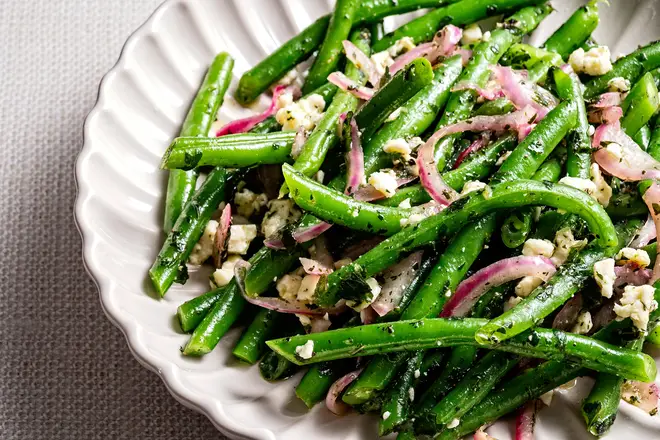
Legumes count as one of your 5-a-day.
Picture:
Getty
The campaign forms part of the wider Beans Project, which has received £1.4 million in funding from The National Lottery Community Fund’s Climate Action Fund – a £100 million, 10-year programme supporting community-led climate action across the UK.
According to The Food Foundation, beans offer a “win-win-win” solution for health, the environment, and affordability, with their nitrogen-fixing properties improving soil health, reducing fertiliser use, and supporting biodiversity goals.
With the cost of living crisis continuing to affect households, campaigners have urged consumers to turn to beans as a low-cost, nutritious alternative to both meat and processed plant-based products — noting that beans are around 4.5 times cheaper than most plant-based substitutes.
Jamie Oliver has praised the campaign, saying: “It’s no secret that I love beans.
“Not only are they delicious and affordable, they’re plant-based powerhouses that are packed with fibre, are a brilliant source of protein and live happily in your store cupboard for ages.
“If there’s anything we should be eating more of, it’s beans.”
Supermarkets have also pledged to help boost bean consumption.
Lidl has committed to increasing sales of all bean products by 50% by 2028, Sainsbury’s has aimed to grow its bean and pulse sales tonnage, and M&S has promised to raise ambient bean product sales by 15% over the same period.
Waitrose and Ocado have also said they will promote more legumes to their customers.
Food production has been identified as a major contributor to climate change, accounting for about a quarter of global greenhouse gas emissions, with around three-fifths of those emissions coming from meat production.
By contrast, producing beans generates just 1/55th of the greenhouse gas emissions of an equivalent amount of beef, on average.
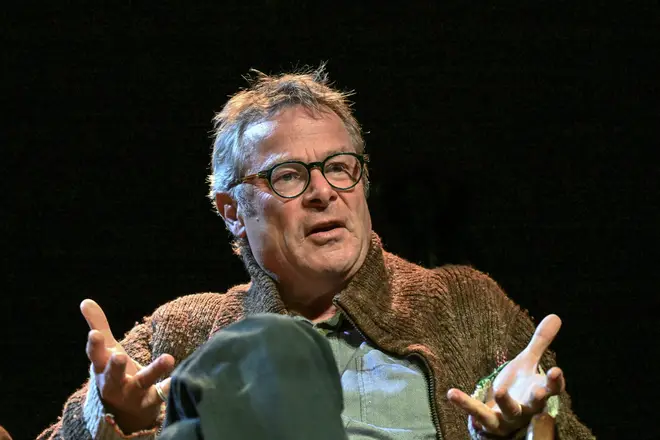
Hugh Fearnley-Whittingstall is known for his advocacy of sustainable and ethical food and environmental issues.
Picture:
Getty
Hugh Fearnley-Whittingstall, another of the supporters of the campaign, said: “Beans are fantastic for your health and are packed full of fibre, protein and micro-nutrients. Put simply, we should all be eating more of them.
“The Bang in Some Beans campaign is bringing together chefs, influencers and food businesses so we can all get excited about trying new beany recipes, whether that’s exploring exciting dishes from all over the world, or simply banging some beans into family favourites to give them a brilliant boost.”
As part of the campaign’s outreach, school children in 750 primary schools across England, Scotland and Northern Ireland are being targeted, focusing on schools in the lower half of the deprivation scale.
The work, led by Veg Power, has involved engaging caterers, teachers and parents to increase uptake of beans in school meals and encourage children to try new recipes.
The campaign has also extended to university students, launching an initiative at the University of Kent, where around half of students experience food insecurity.
There, organisers have trialled on-campus interventions and worked with the student body to increase engagement and bean consumption, capturing learnings that can be shared with other universities.