
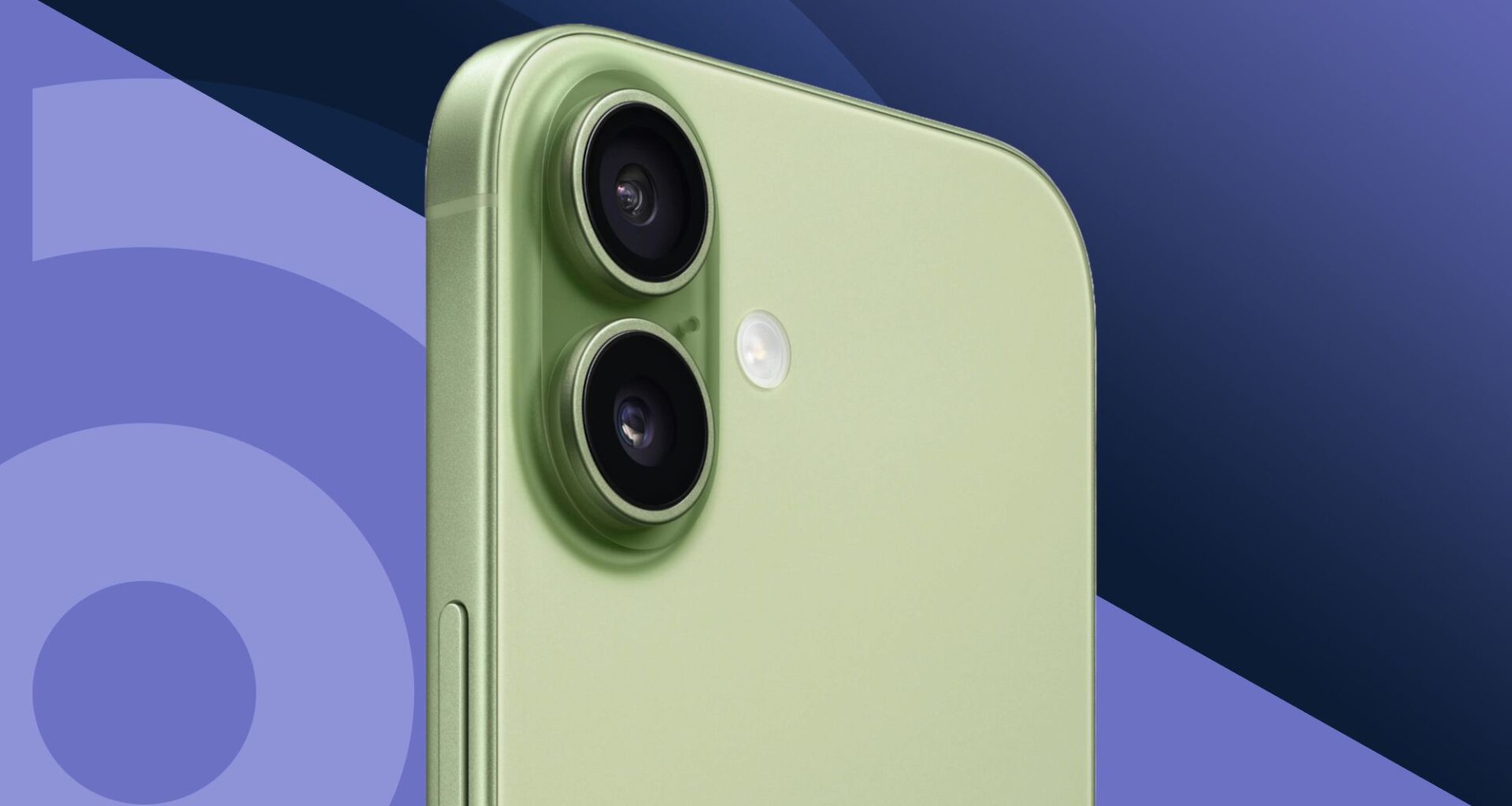
The best phones in 2025 might look similar to one another, but having tested well over 1,000 devices since 2005, we can assure you that no two models are the same.
To help you make sense of today’s mobile landscape, we’ve compiled this list of the best phones available in the UK. Our current ranking features top-end models like the iPhone 17 Pro Max and Samsung Galaxy S25 Ultra, as well as cheaper options like the Samsung Galaxy A56, so no matter your requirements, you’ll find a phone for you.
Best for most people
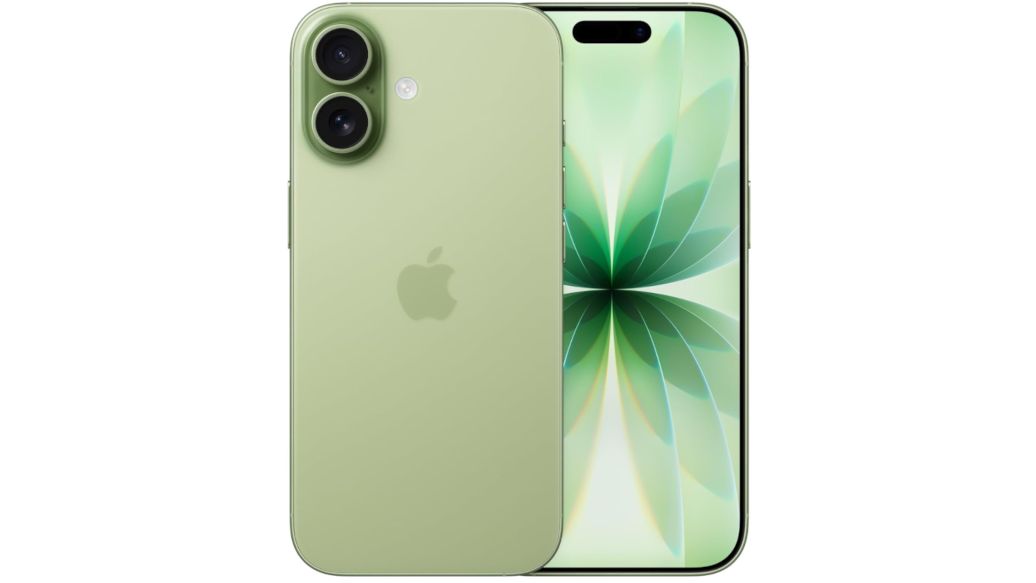
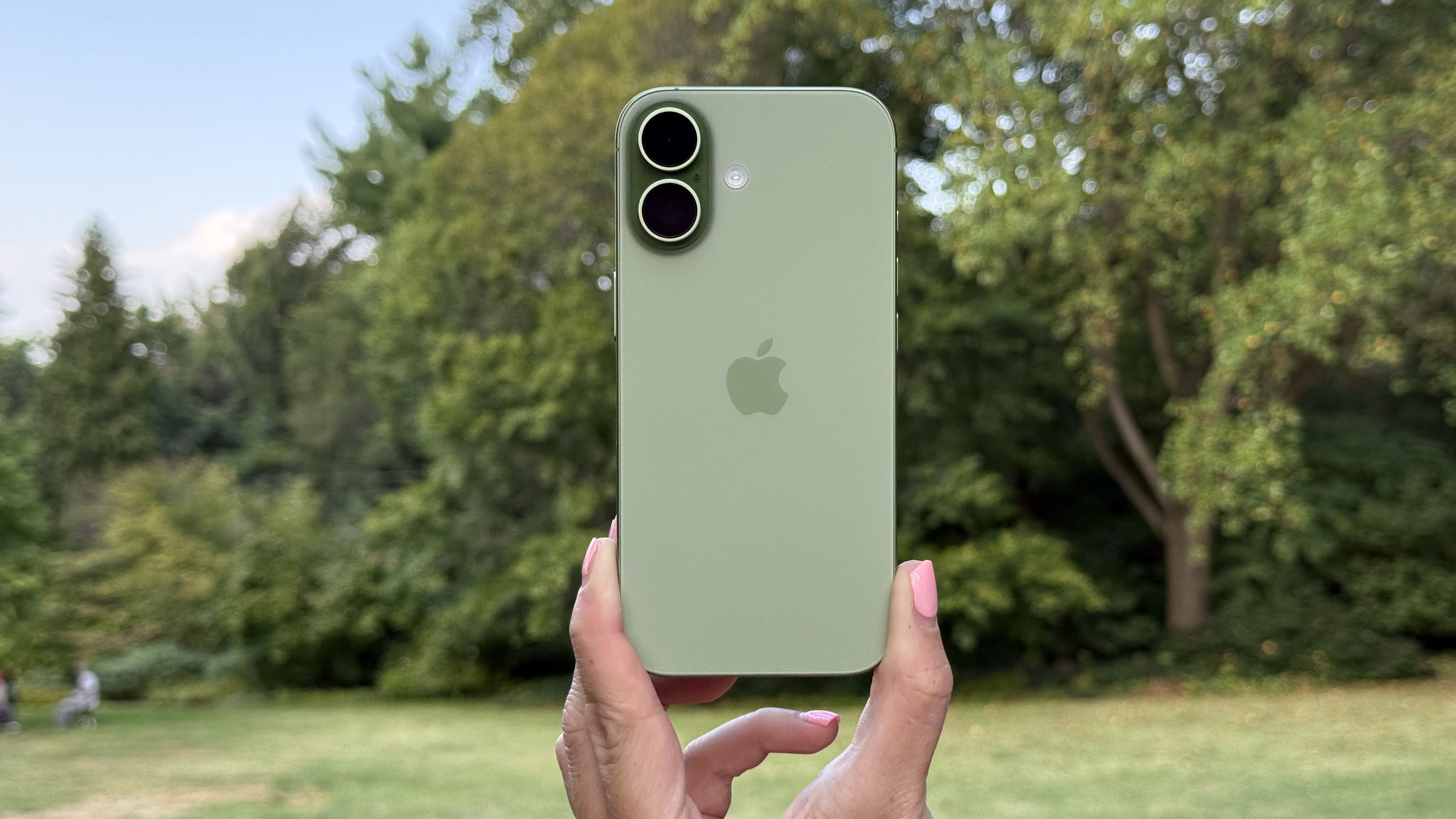
Thanks to its superfast A19 chipset, pro-level display, great selfie camera, and relatively accessible price, the iPhone 17 is, for us, the best-value phone on the market right now.
Read more below
Best iPhone
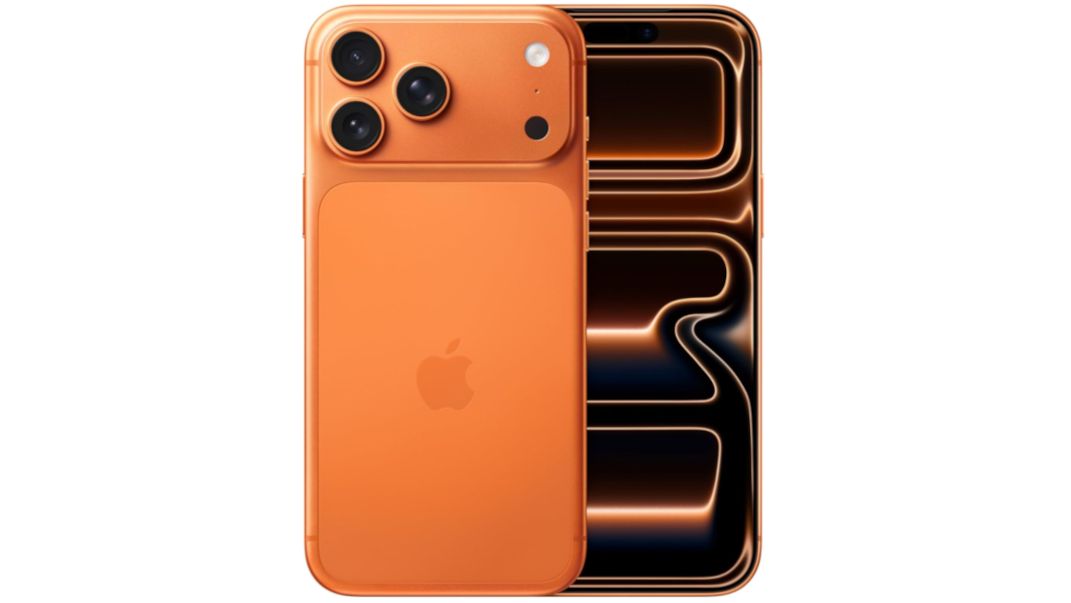
The iPhone 17 Pro Max is, quite simply, the biggest and best iPhone money can buy. With its A19 Pro chipset, 6.9-inch OLED display, and suite of pro-grade cameras, Apple’s latest flagship is a truly formidable handset.
Read more below
Best Samsung
3. Samsung Galaxy S25 Ultra
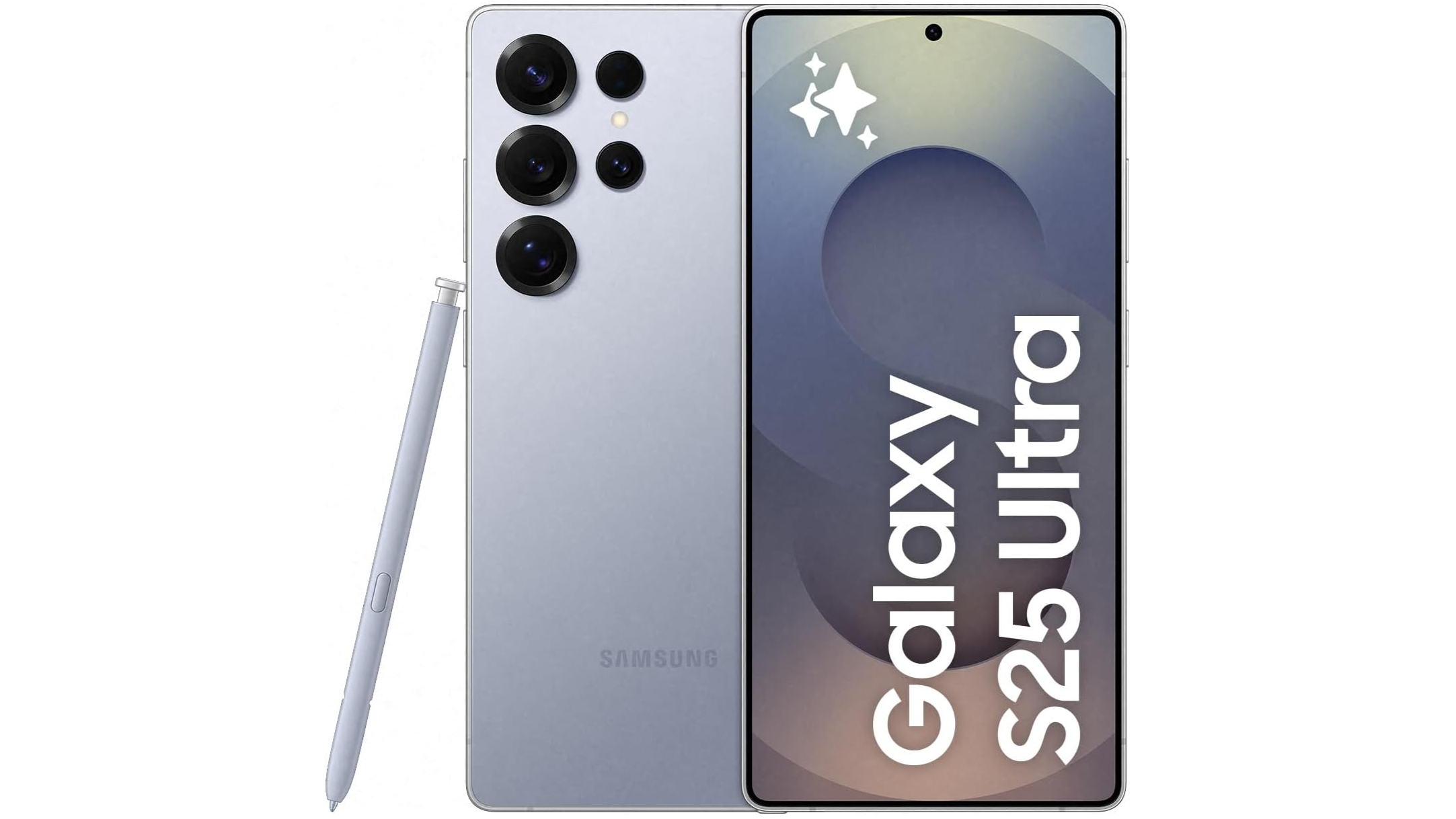
Samsung’s latest Ultra phone boasts a gorgeous titanium design, five great cameras, and a huge 6.9-inch display. But the key selling point of the S25 Ultra is its suite of market-leading AI capabilities.
Read more below
Best Pixel
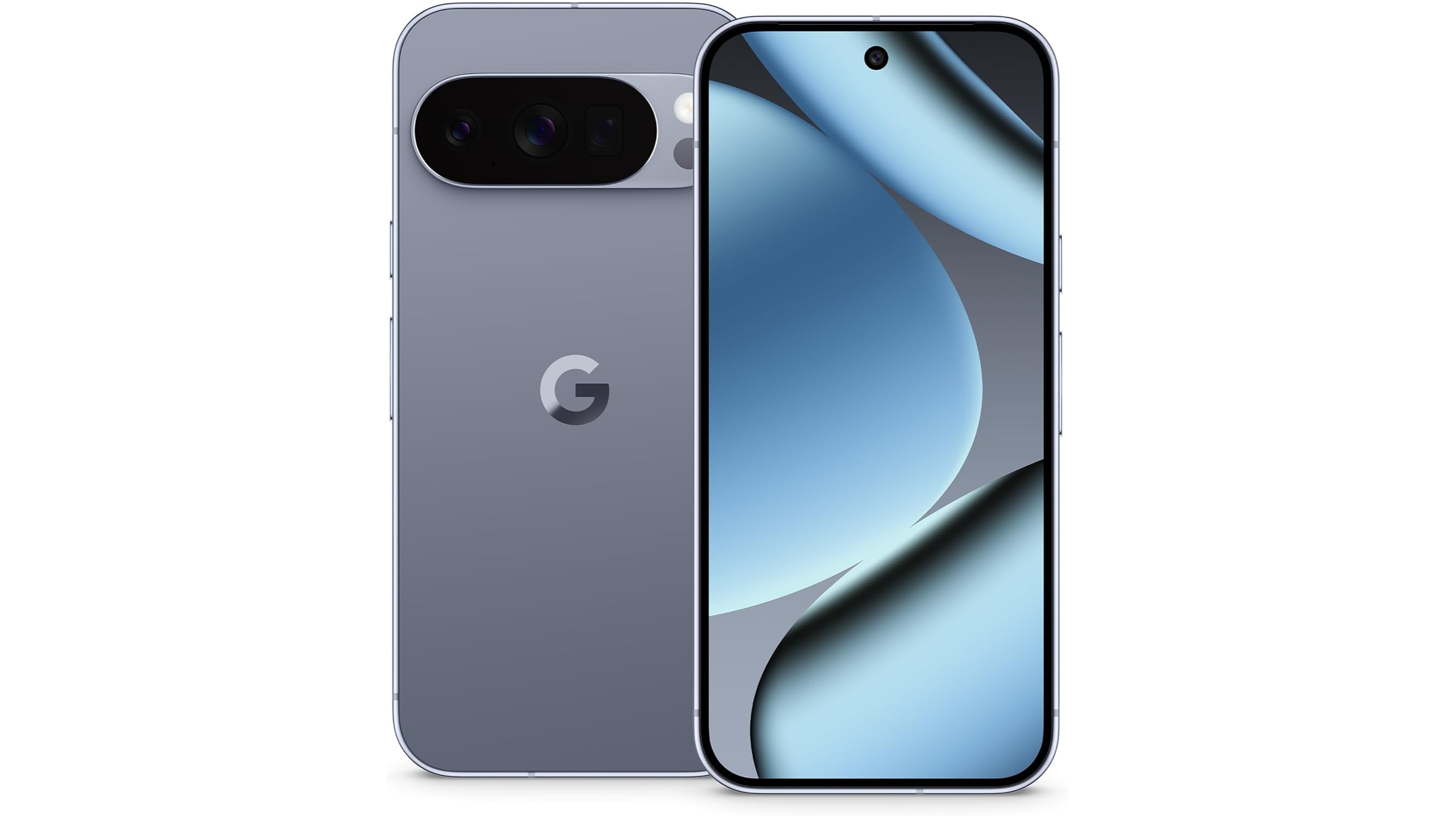
4. Google Pixel 10 Pro XL
Boasting the best Pixel design, cameras, and accessory compatibility to date, the Google Pixel 10 Pro XL is a premium powerhouse. Its chipset, however, can’t keep up with the flagship competition.
Read more below
Best budget
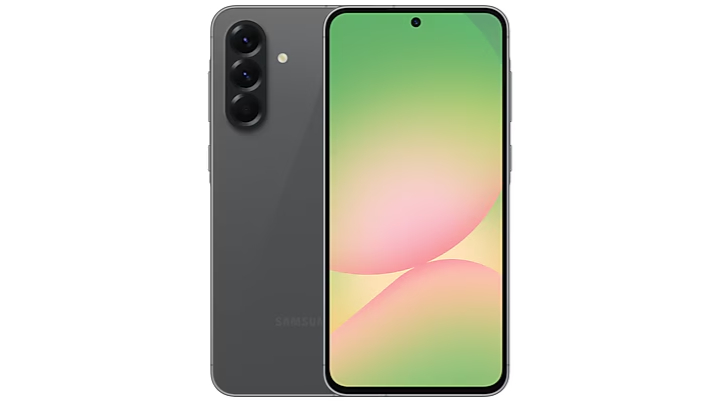
The Samsung Galaxy A56 epitomizes what mid-range phones should be. It’s durable, long-lasting, packed with useful software, and is powerful enough for everyday tasks.
Read more below
Best alternative flagship
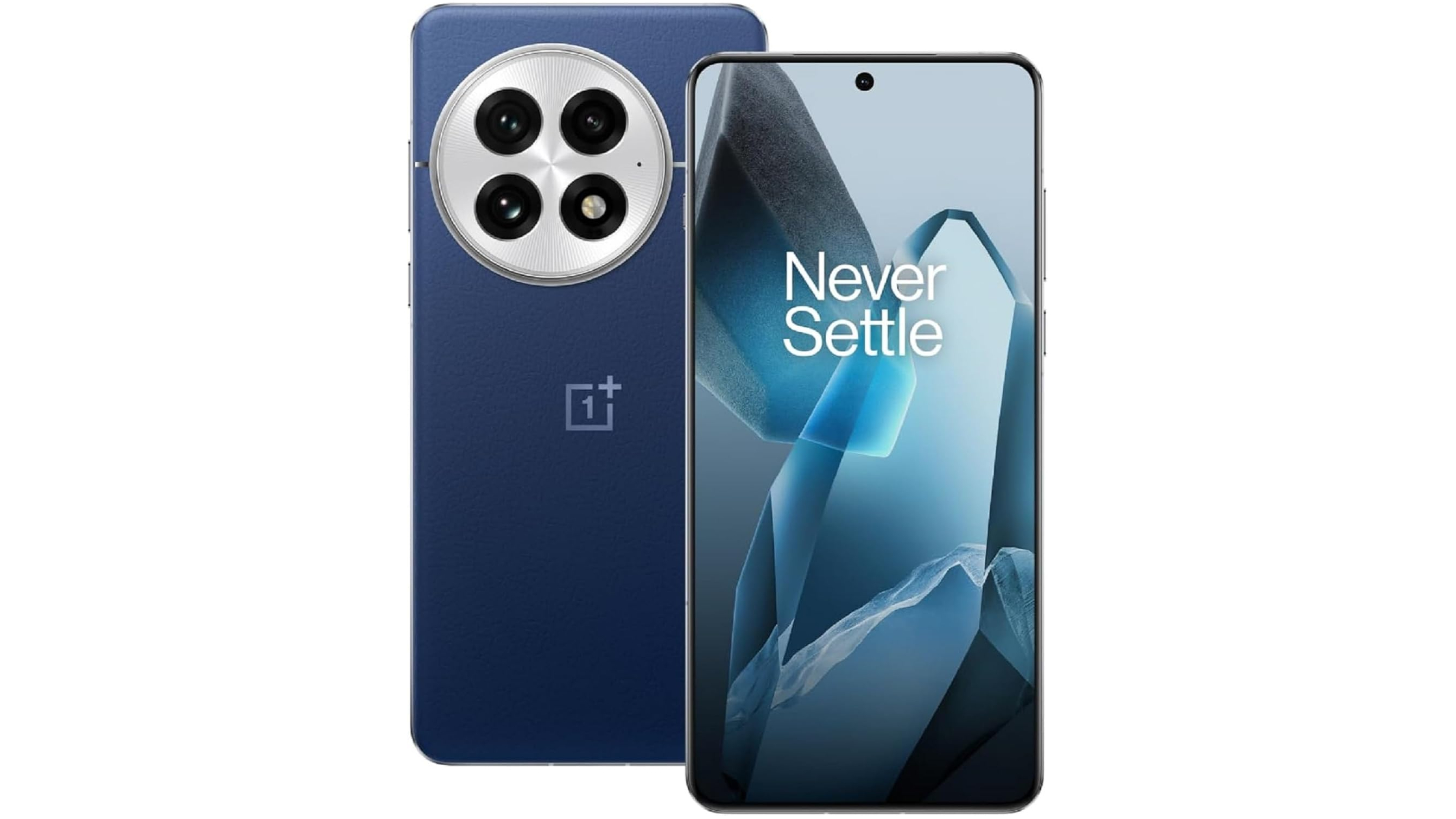
With its durable design, class-leading battery life, and vibrant display, the OnePlus 13 is an excellent flagship option for those who prefer to stand out from the crowd.
Read more below
Best foldable phone
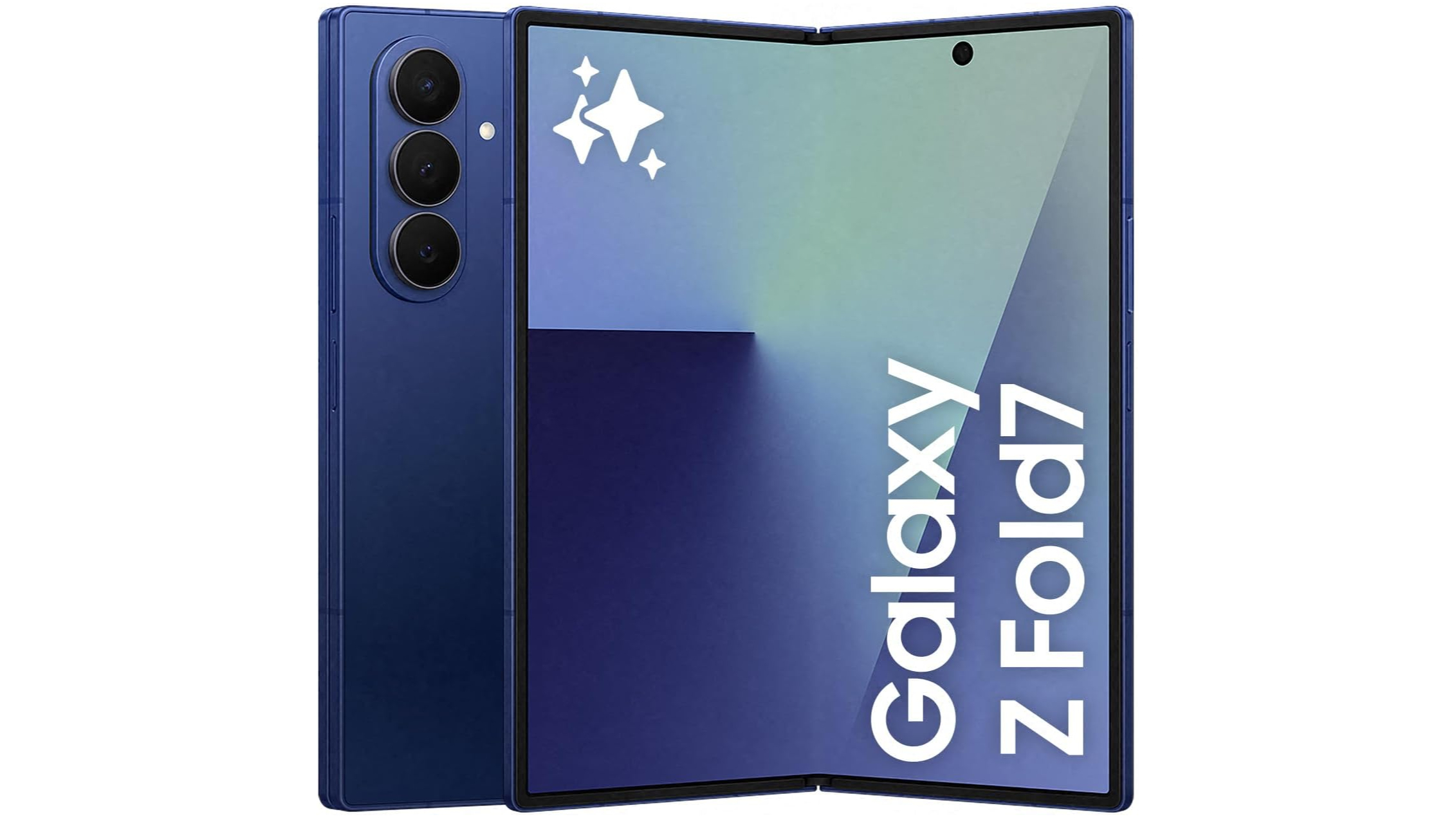
7. Samsung Galaxy Z Fold 7
The Galaxy Z Fold 7 boasts a class-leading foldable design, a supremely powerful chipset, and Galaxy S25 Ultra-rivalling cameras. If you can afford it, this is the best foldable money can buy.
Read more below
Best flip phone
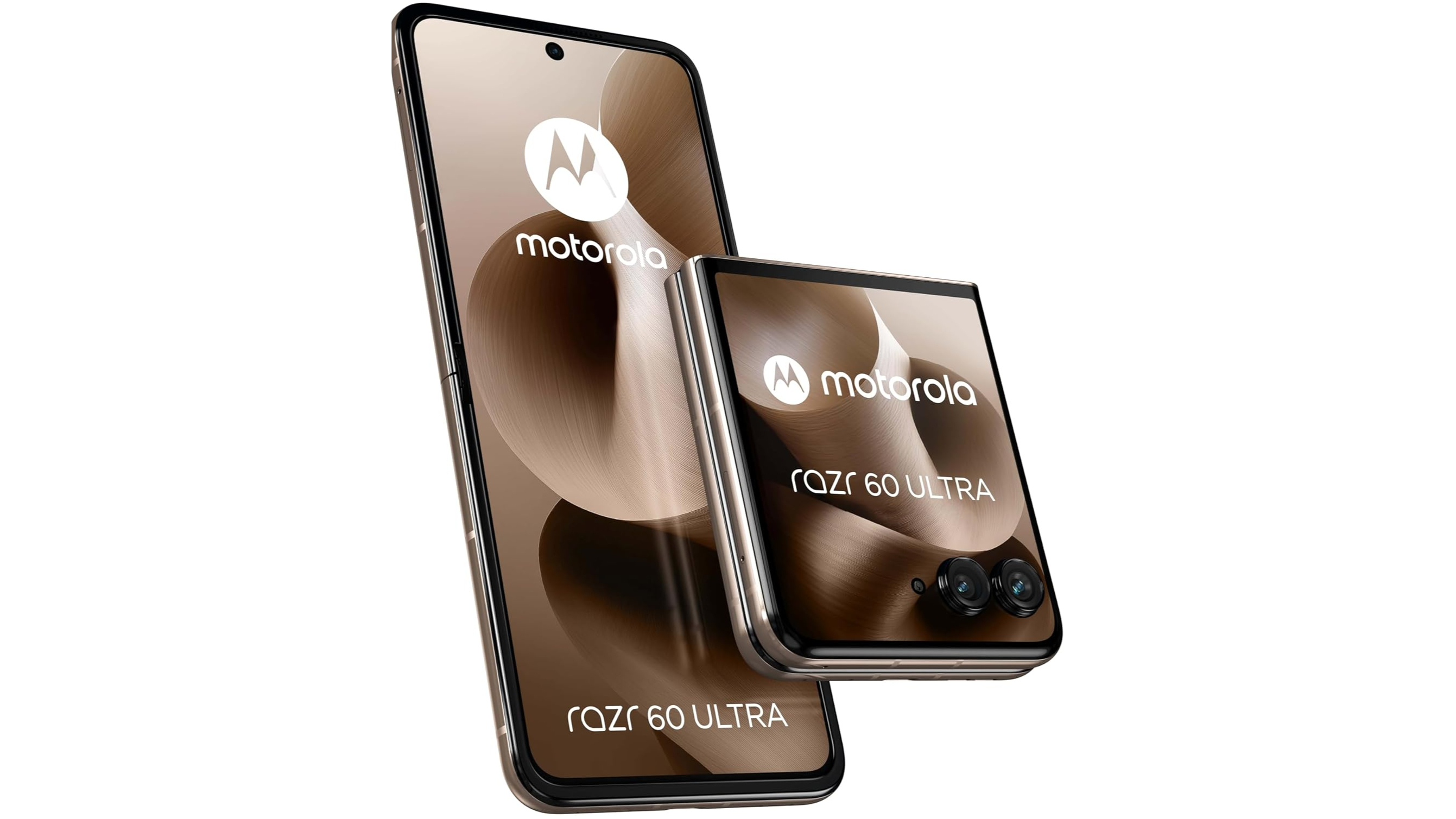
8. Motorola Razr 60 Ultra
While the Galaxy Z Flip 7 is perfect for Samsung fans, the Motorola Razr 60 Ultra has a more powerful chipset, more RAM, a longer-lasting battery, and arguably better cameras.
Read more below
Ranking curated by Ranking curated by
Axel Metz
Phones Editor
I’m TechRadar’s Phones Editor, and have been reviewing and writing about the best mobile devices for several years. Based in the UK, I handle news and feature coverage for the phones section of the site, and regularly edit TechRadar’s phones-related reviews and buying guides. You’ll find my byline on over 1,500 TechRadar articles.
The best phone in 2025
Why you can trust TechRadar
We spend hours testing every product or service we review, so you can be sure you’re buying the best. Find out more about how we test.
Below, you’ll find full write-ups for each of the best phones in our list, along with links to their reviews.
The best phone for most people
Image 1 of 4
 (Image credit: Jacob Krol/Future)
 (Image credit: Jacob Krol/Future)
 (Image credit: Jacob Krol/Future)
 (Image credit: Jacob Krol/Future)
The best phone for most people
Specifications
Weight: 177g
Dimensions: 149.6 x 71.5 x 7.95mm
OS: iOS 26
Screen size: 6.3 inches
Resolution: 2622 x 1206 pixels
CPU: A19
RAM: 8GB (unofficial)
Storage: 256GB/512GB
Battery: 3,692mAh (unofficial)
Rear camera: 48MP (wide) + 48MP (ultra-wide)
Front camera: 18MP
Reasons to buy+
Finally, a Pro-rivaling display
+
Plenty of starting storage
+
A19 chip is plenty powerful
Reasons to avoid-
No dedicated telephoto lens
–
The Pro models have slightly longer battery life
Buy it if
✅ You want a do-it-all iPhone: The iPhone 17 strikes a near-perfect balance between affordability and high-end features.
✅ You want a versatile camera system: Apple’s 48MP main camera is plenty capable, but its revamped 18MP selfie camera is a real game-changer.
✅ You don’t want to worry about storage: With its 256GB starting storage capacity, you’ll be able to save hundreds of photos and videos on the iPhone 17 without worry.
Don’t buy it if:
❌ You want a dedicated zoom camera: The iPhone 17 offers a 2x sensor crop, but that can’t compete with a dedicated telephoto lens.
❌ You want a bigger screen: At 6.3 inches, the iPhone 17 is a compact phone by today’s standards. If you prefer bigger phones, go for the iPhone 17 Pro Max or iPhone Air.
For those who neither want nor need the feature overkill of Apple‘s Pro-level iPhones, the iPhone 17 is the best all-round phone on the market right now.
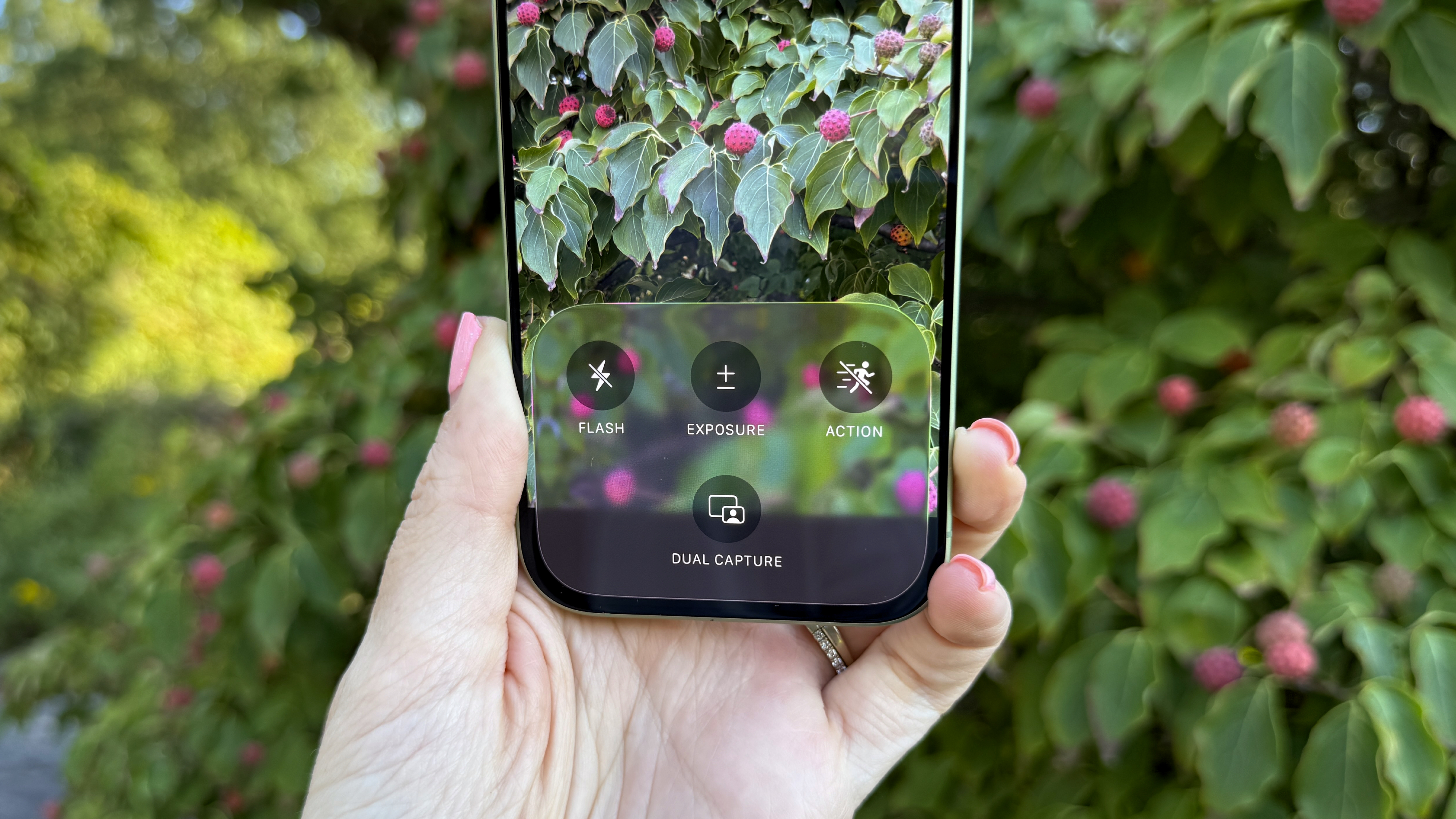
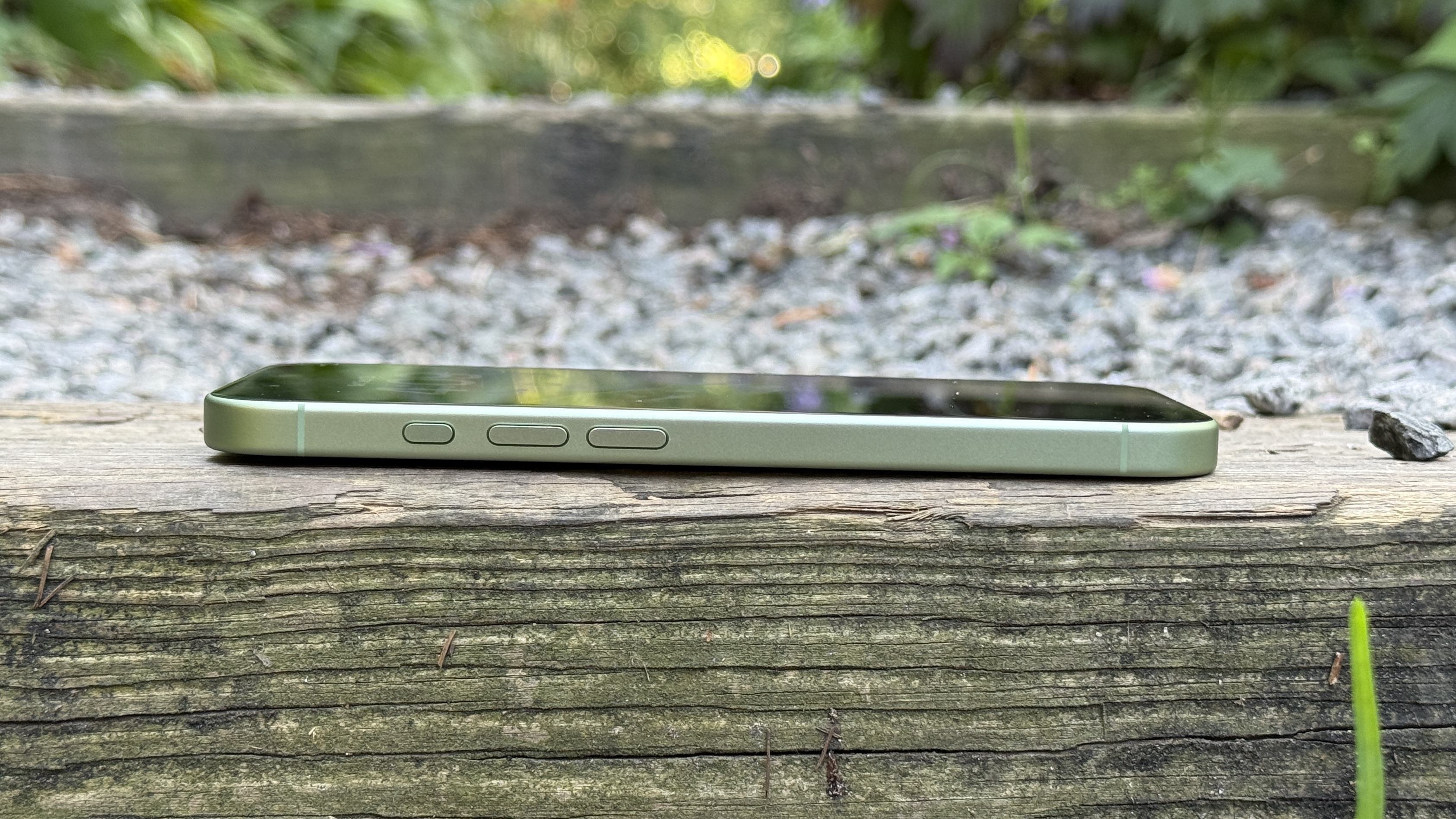
Why? Well, despite its relatively modest £799 price tag, Apple’s latest base model still looks and feels like a flagship phone. It gets the same superfast 120Hz ProMotion display as the iPhone 17 Pro, as well as the same customizable Action button, Camera Control button, scratch-resistant Ceramic Shield 2 display cover, 48MP main camera, 18MP selfie camera, and, crucially, 256GB starting storage capacity.
Powering all of the above is the iPhone 17-exclusive A19 chipset, which facilitates a supremely slick scrolling, streaming, and gaming experience, not to mention the new and upcoming Apple Intelligence features.
In truth, the only real reason to go for the iPhone 17 Pro over the iPhone 17 is the latter’s 48MP telephoto camera, superior heat efficiency credentials, and slightly better battery life. If you’re a keen mobile gamer or video editor, those things may matter to you, but you’ll have to pay a £299 premium to get them.
As regards its Android competition, the regular Samsung Galaxy S25 is a better phone for zoom photography, while the Google Pixel 9 offers superior AI features. In fact, the iPhone 17 isn’t the best at any one thing – but as a jack of all trades, it’s hard to beat in 2025, especially considering that attractive 256GB starting storage capacity.
Read our full iPhone 17 review
Today’s best Apple iPhone 17 deals
The best iPhone
Image 1 of 4
 (Image credit: Lance Ulanoff / Future)
 (Image credit: Lance Ulanoff / Future)
 (Image credit: Lance Ulanoff / Future)
 (Image credit: Lance Ulanoff / Future)
The best iPhone
Specifications
Weight: 233g
Dimensions: 163.4 x 78 x 8.75mm
OS: iOS 26
Screen size: 6.9 inches
Resolution: 2868 x 1320 pixels
CPU: A19 Pro
RAM: 12GB (unofficial)
Storage: 256GB/512GB/1TB/2TB
Battery: 5,088mAh (unofficial)
Rear camera: 48MP (wide) + 48MP (ultra-wide) + 12MP (telephoto with 4x optical zoom)
Front camera: 18MP
Reasons to buy+
A fresh color and new design
+
The camera array is outstanding
+
A19 Pro is powerful
Reasons to avoid-
The display is essentially unchanged
–
Pricey premium over the base model
Buy it if
✅ You want the biggest and best iPhone: The iPhone 17 Pro Max is objectively the largest and most technologically advanced iPhone ever made.
✅ You want the most powerful phone: Apple’s A19 Pro chipset is more powerful than anything else on the mobile market right now.
✅ You’re a keen mobile gamer: Although not a dedicated gaming phone, the iPhone 17 Pro Max’s A19 Pro chipset and heat-dissipating vapor chamber make it a formidable gaming device.
Don’t buy it if:
❌ You want the best mobile zoom camera: The iPhone 17 Pro Max’s telephoto lens is certainly impressive – but Samsung’s 5x optical zoom on the Galaxy S25 Ultra is better.
❌ You don’t like big phones: At 6.9 inches, the iPhone 17 Pro Max may feel unwieldy to some. The iPhone 17 Pro is arguably more comfortable to hold, at 6.3 inches.
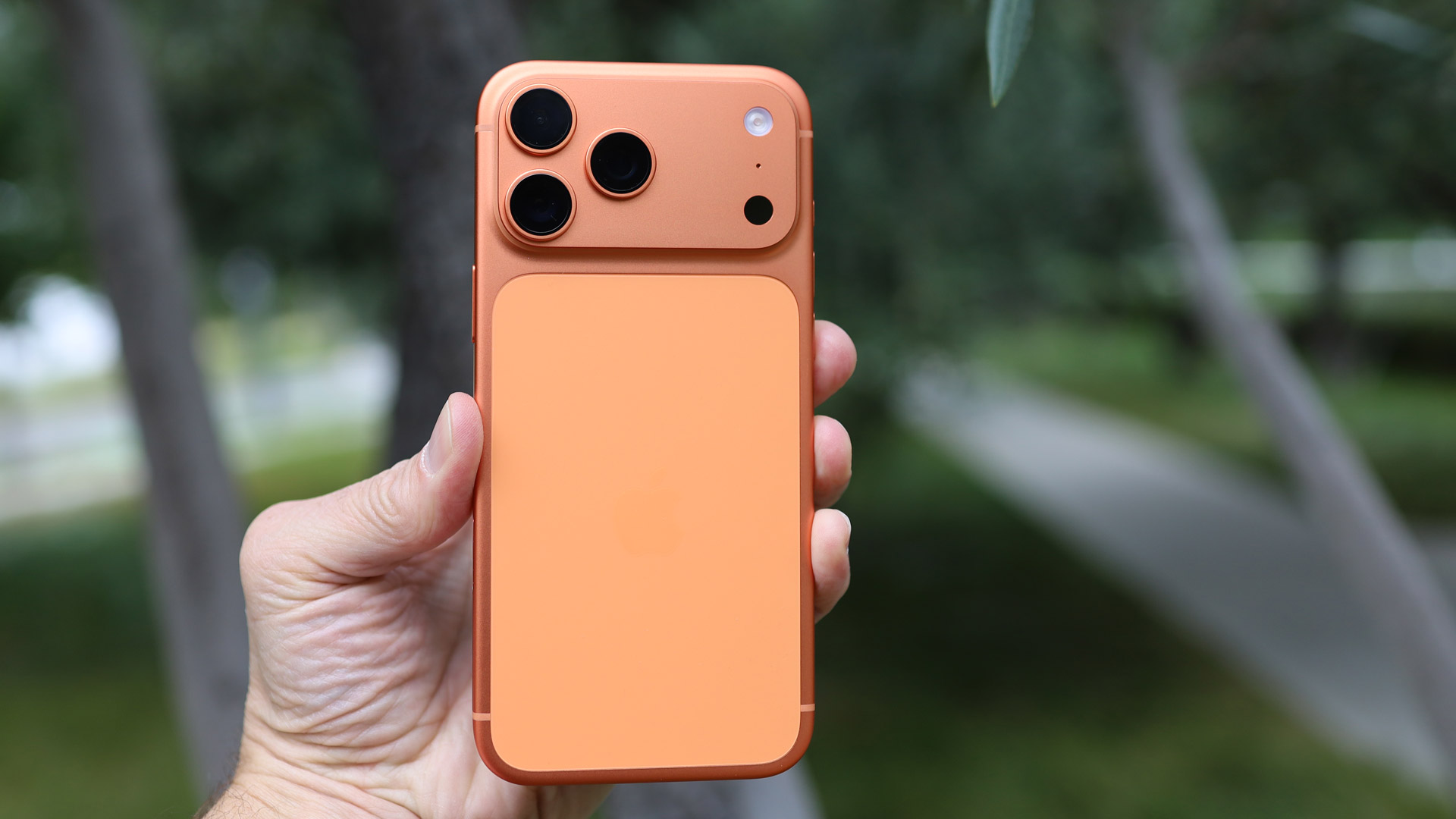
While we love the base iPhone 17 for its all-round value, if you’re looking for the best iPhone money can buy, the iPhone 17 Pro Max is the easy choice.
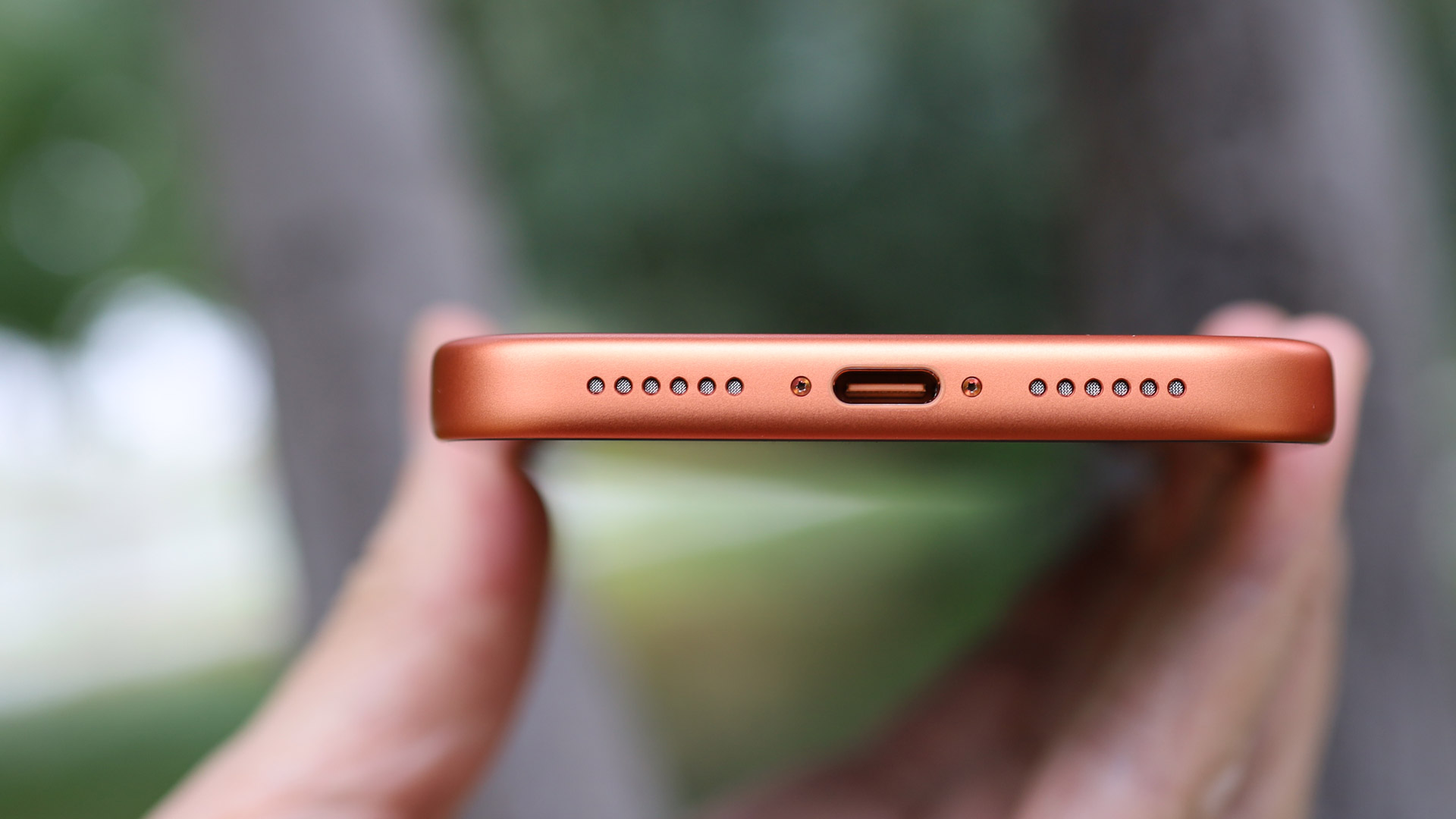
It’s essentially the same device as the regular iPhone 17 Pro, but here you’ll get a larger 6.9-inch screen, a slightly bigger battery, and up to 2TB of internal storage, which is quite frankly ridiculous.
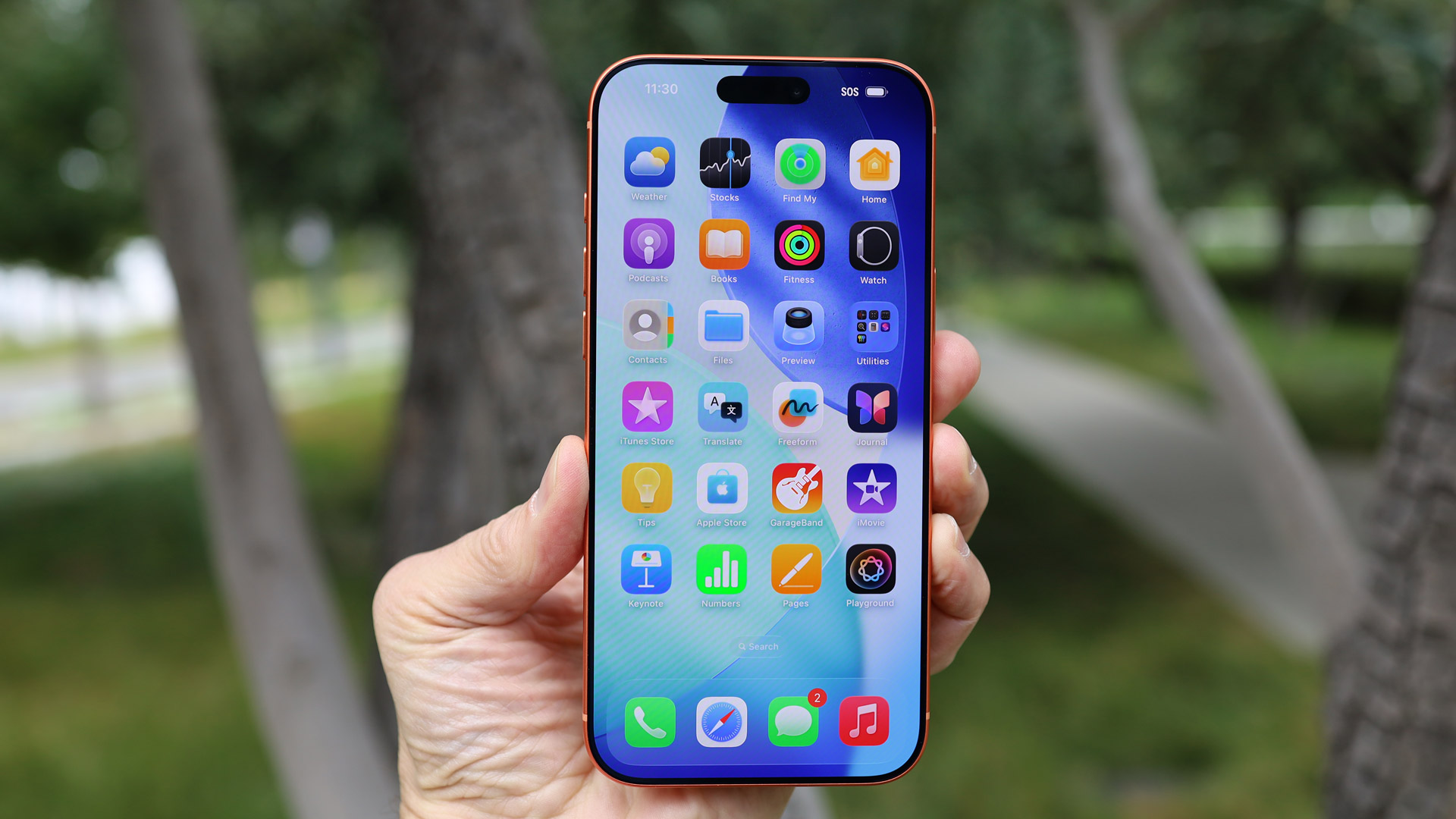
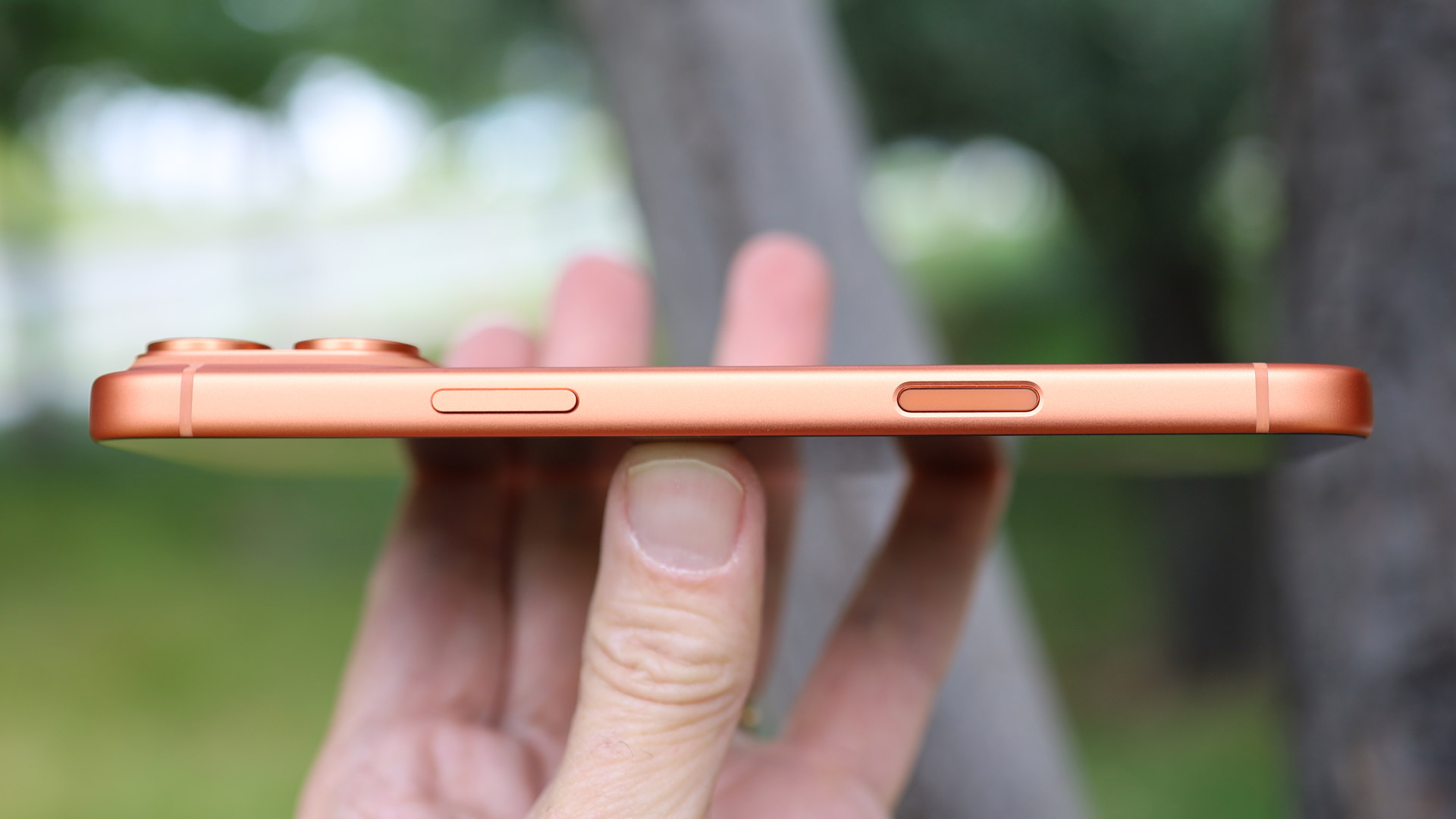
Starting with the design, the iPhone 17 Pro Max boasts a stunning Super XDR OLED screen, a new aluminium chassis, a dedicated Camera Control button, and all of the usual bells and whistles that we’ve come to expect from Apple’s best iPhones.
This is the joint-biggest phone on our list, and it’s arguably the most powerful too, with Apple’s new A19 Pro chipset matching the Snapdragon 8 Elite in some benchmark tests, and surpassing it in others.
Apple has paired this new chipset with 12GB of RAM and a dedicated vapor cooling chamber, meaning the iPhone 17 Pro Max can handle 4K video editing and triple-A games with ease.
Apple’s new AI features also run seamlessly, and while the iPhone 17 Pro Max isn’t as AI-packed as the competition, Apple has upped its game with things like Visual Intelligence and Live Translation, which are genuinely useful additions to the iPhone experience.
On the cameras front, you’ll get three 48MP lenses that support a wide range of shooting styles. Our favorite of the trio is the 4x telephoto, which also offers access to an impressive 8x zoom by way of a sensor crop. At those shorter zoom lengths, the iPhone 17 Pro Max is ridiculously good, but for anything beyond 10x, you’ll get slightly better results from other phones on this list.
Apple’s latest Pro Max iPhone is also a battery champion, lasting well beyond 30 hours in our testing and offering support for Q2 wireless charging.
All told, then, this is the most technologically advanced iPhone Apple has ever made, and if you’re already embedded in the Apple ecosystem – and can afford its eye-watering price tag – this is the best flagship phone you can buy.
Read our full iPhone 17 Pro Max review
Today’s best Apple iPhone 17 Pro Max deals
The best Samsung phone
Image 1 of 4
 (Image credit: Future / Roland Moore-Colyer)
 (Image credit: Future / Roland Moore-Colyer)
 (Image credit: Future / Lance Ulanoff)
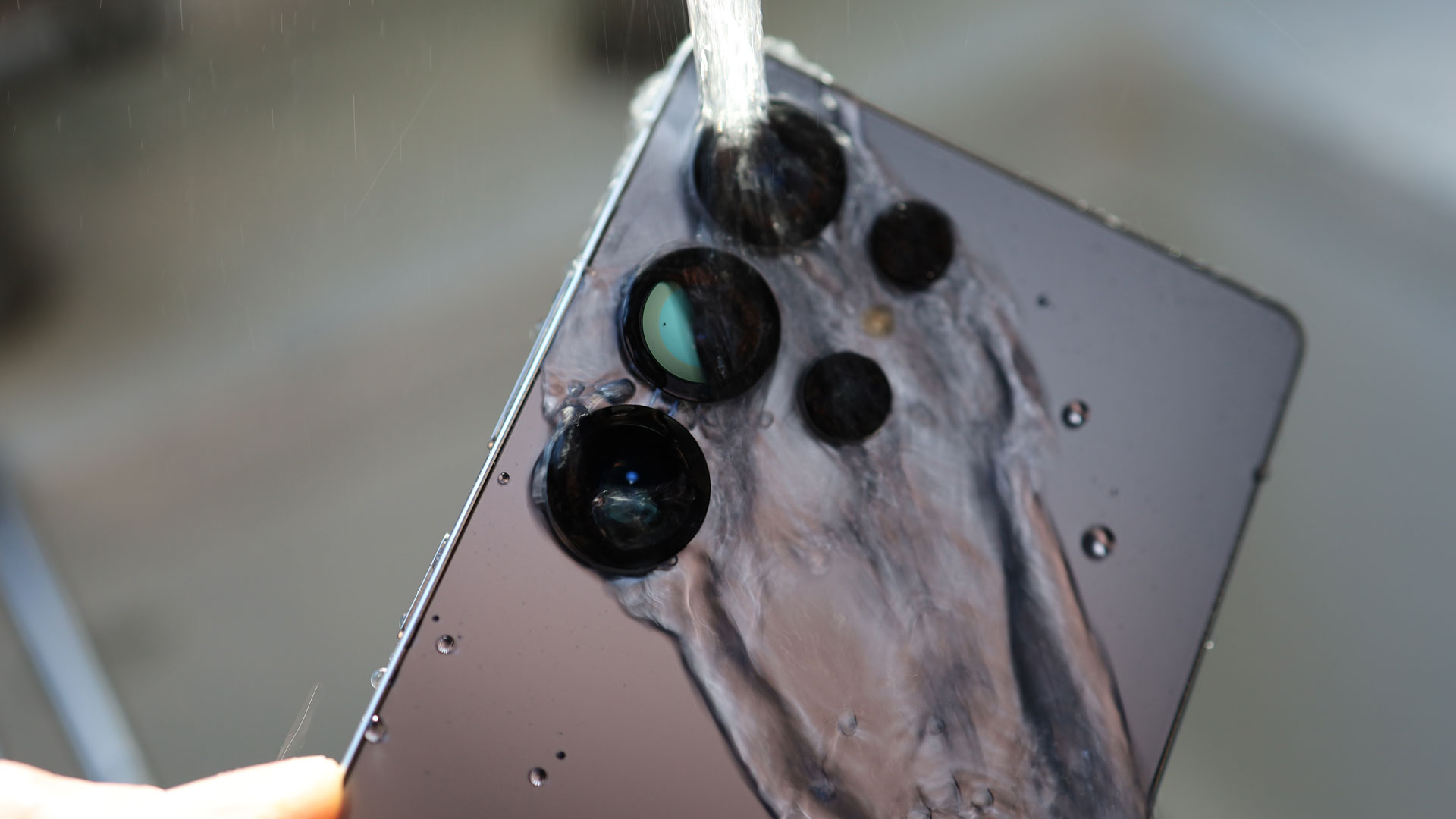 (Image credit: Future / Lance Ulanoff)
The best Samsung phone
Specifications
Release date: January 2025
Weight: 218g
Dimensions: 162.8 x 77.6 x 8.2mm
OS: One UI 7, based on Android 15
Screen size: 6.9 inches
Resolution: 2868 x 1320 pixels
Chipset: Qualcomm Snapdragon 8 Elite for Galaxy
RAM: 12GB
Storage: 256GB / 512GB / 1TB
Battery: 5,000mAh
Rear camera: 200MP (wide) + 50MP (ultra-wide) + 10MP (telephoto with 3x optical zoom) + 50MP (telephoto with 5x optical zoom)
Front camera: 12MP
Reasons to buy+
Powerful AI
+
Excellent battery life
Reasons to avoid-
Generative AI doesn’t always deliver
–
Samsung still shies away from total photo-reality
Buy it if
✅ You want the world’s most versatile smartphone: The Galaxy S25 Ultra boasts more features than any other smartphone. On top of being a great phone, it can double as a laptop, a drawing tablet, or even a traditional camera.
✅ You’re ready to embrace AI: Samsung’s Galaxy AI features are some of the most fully-formed in the smartphone industry. If you’re willing to embrace them, they will improve your experience immeasurably.
Don’t buy it if:
❌ You don’t need so many features: As above, the Ultra offers everything and more. But if that’s not what you need, you’re betting off spending less elsewhere.
❌ You prefer elegance and simplicity: Samsung’s mobile software is chock-a-block with features and customization options, which can appear overwhelming compared to simpler phones like the iPhone 17 Pro (which runs Apple’s excellent iOS 26).
For the first time in a few generations, Samsung‘s latest Galaxy flagship feels like part of the wider Galaxy family. Not only does the Galaxy S25 Ultra share prominent design cues with its siblings, the Galaxy S25 and Galaxy S25 Plus, but it also boasts the same market-leading chipset and the same suite of Galaxy AI features.
So, why should you go Ultra this year? Well, quite simply because the Galaxy S25 Ultra remains the biggest, baddest Android phone on the block. If you’re looking for a feature-packed device that can double as a laptop, a drawing tablet, or even a traditional camera, this is the model for you.
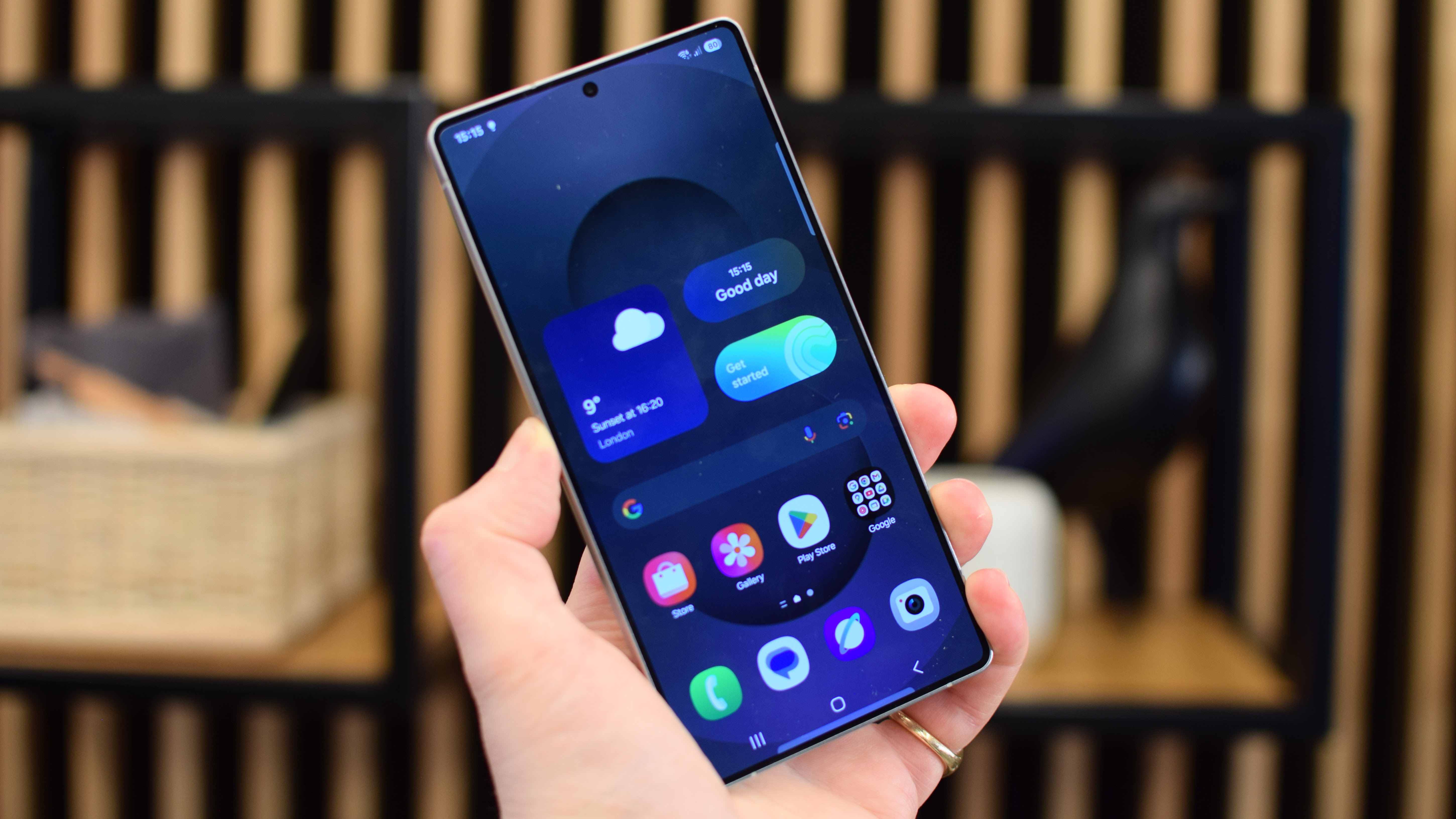
For starters, the screen on the Galaxy S25 Ultra measures 6.9 inches, up from 6.8 inches on the Galaxy S24 Ultra and, indeed, the Galaxy S25 Plus. The display itself is a Quad HD+ panel that auto-switches from 1Hz to 120Hz on an as-needed basis, and the Galaxy S25 Ultra also benefits from a new ProScaler technology that upscales lower-resolution content using AI (ProScaler is a feature of the Galaxy S25 Plus, too, but not the standard Galaxy S25).
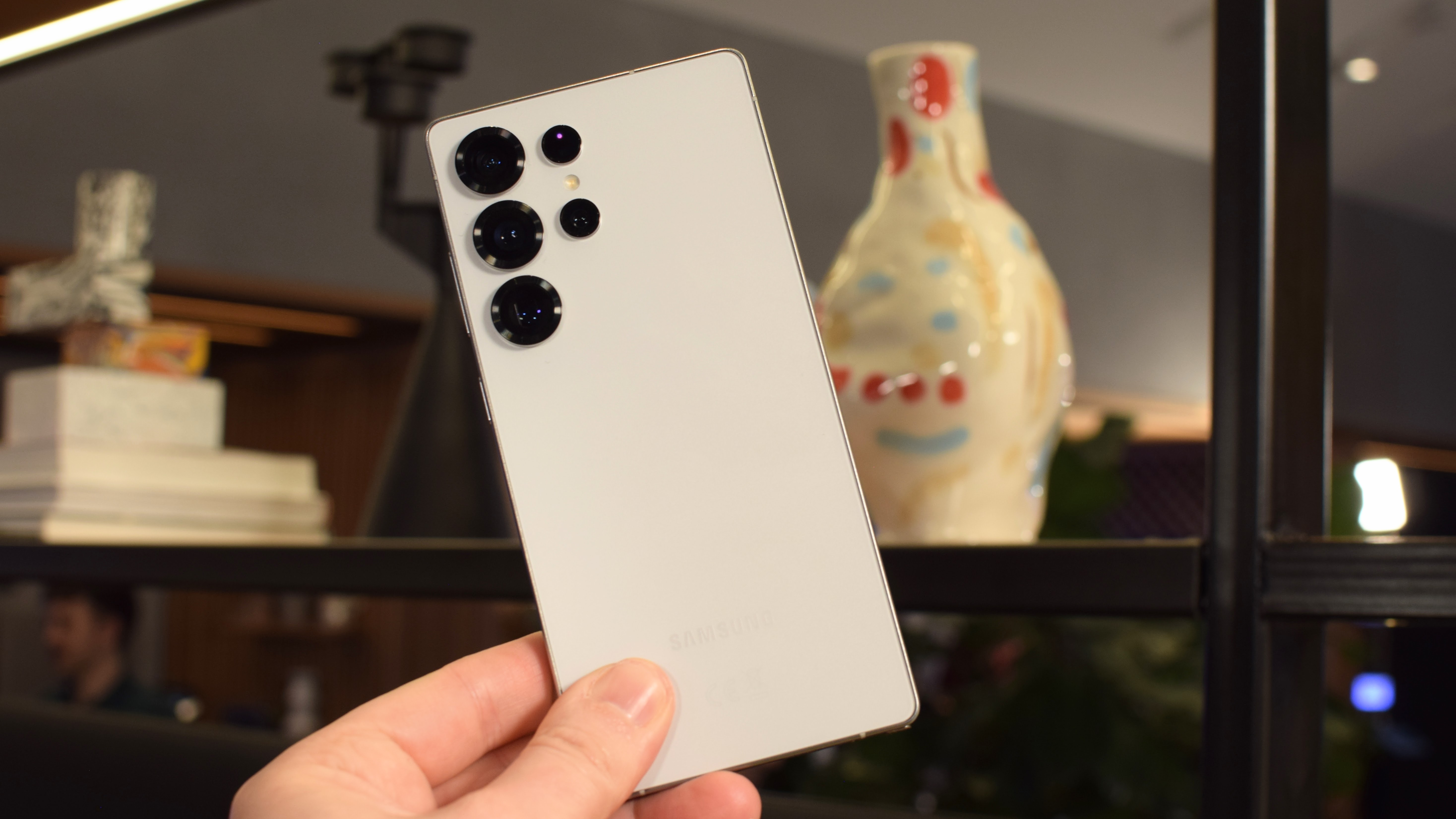
As mentioned, the Ultra’s design has been tweaked to feel more aligned with the rest of the Galaxy S25 lineup, but the phone still feels distinctly premium thanks to its titanium construction, boxier appearance, and, of course, the included S Pen, which is a USP you won’t find elsewhere on this list.
Under the hood, a bespoke version of Qualcomm’s Snapdragon 8 Elite chipset provides enough power to juggle a gazillion apps and run console-quality games, not to mention Samsung’s new-and-improved suite of Galaxy AI features, which range from the usual photo editing tools to Now Brief (a personalized daily briefing) and Audio Eraser (which does what it says on the tin).
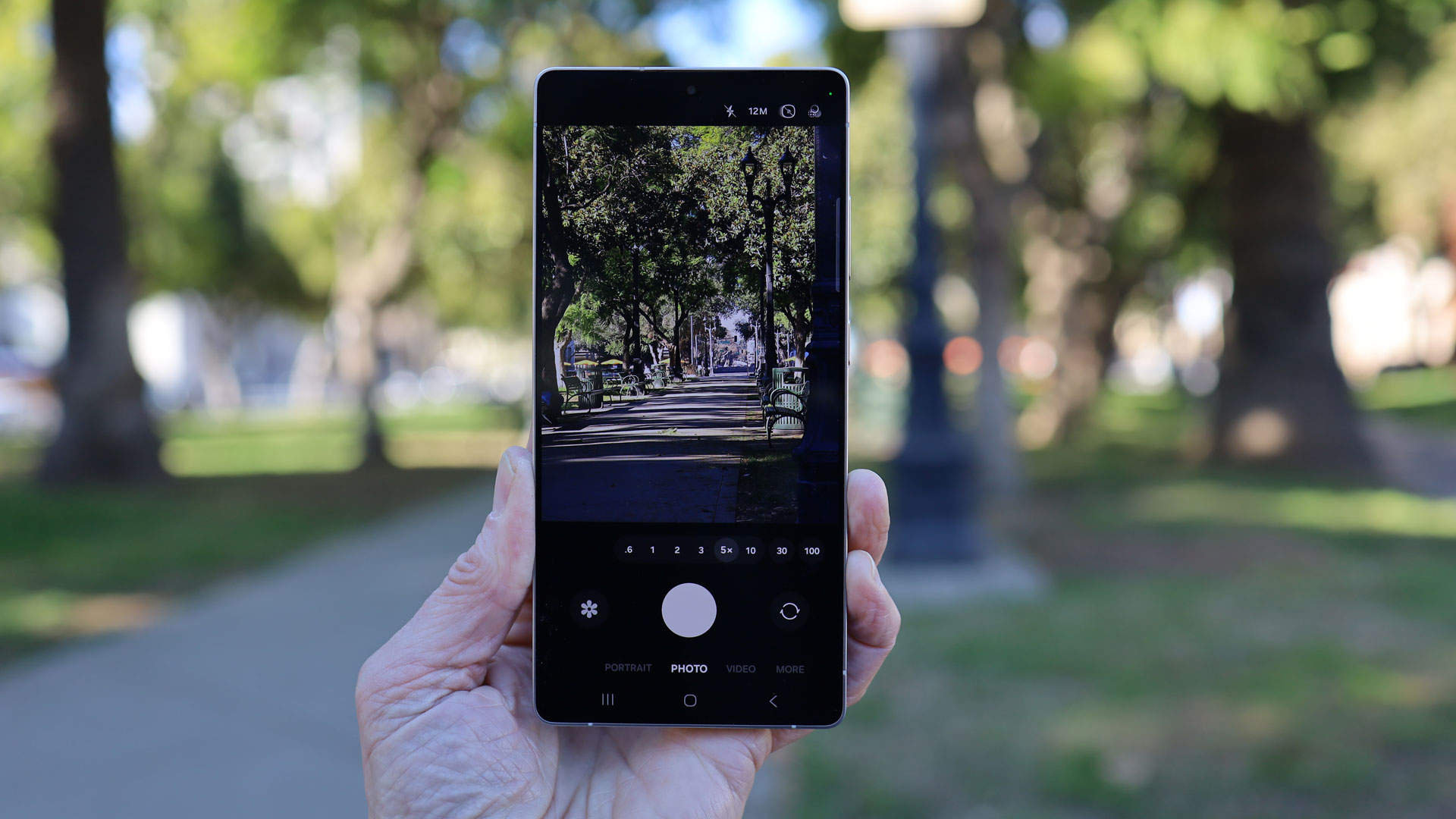
As for its cameras, the S24 Ultra’s 200MP wide sensor returns for the S25 Ultra, but the former’s 12MP ultra-wide has been replaced by a more powerful 50MP lens. In layman’s terms, that means better low-light performance for ultra-wide shots and more detailed macro shots, while the phone’s unchanged 50MP and 10MP telephoto cameras offer 5x and 3x zoom, respectively.
Unsurprisingly, the Galaxy S25 Ultra costs a small fortune – but if you want the best, you have to pay for it. This is indisputably the best Samsung phone (and potentially the best Android phone) you can buy today, and it rivals the iPhone 17 Pro Max in all the areas that matter.
Read our full Samsung Galaxy S25 Ultra review
Today’s best Galaxy S25 Ultra deals
The best Pixel phone
Image 1 of 4
 (Image credit: Philip Berne / Future)
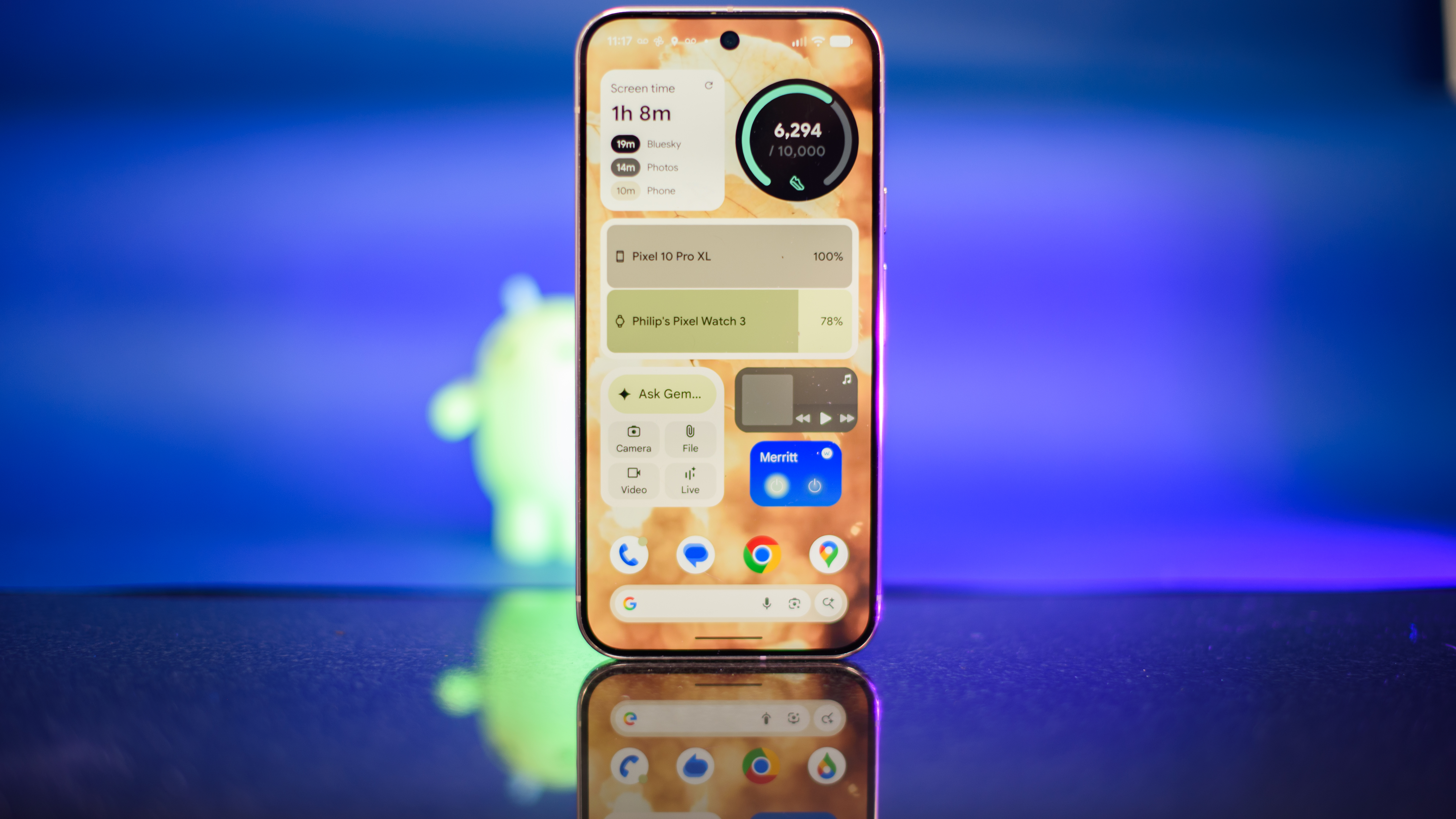 (Image credit: Philip Berne / Future)
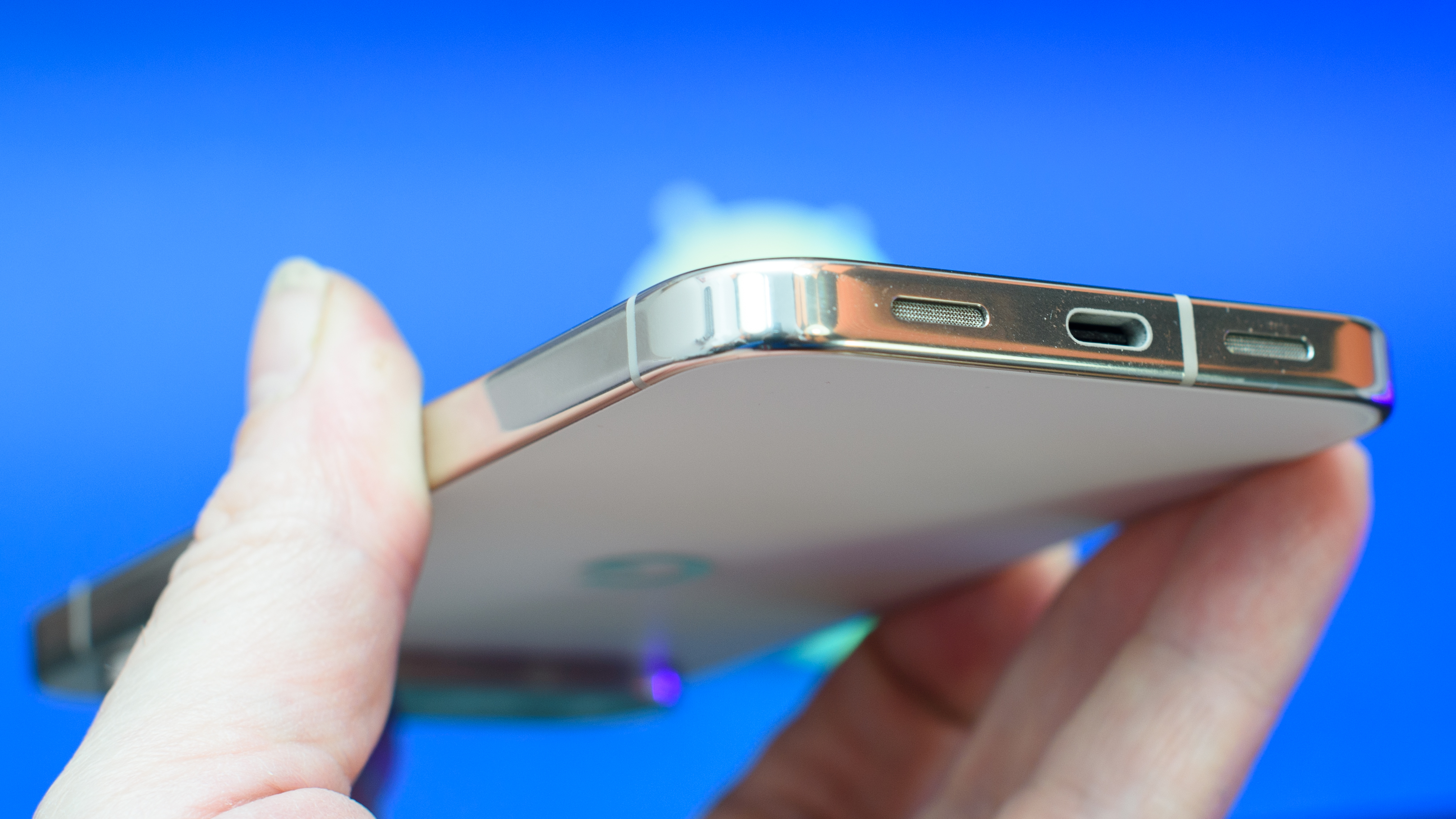 (Image credit: Philip Berne / Future)
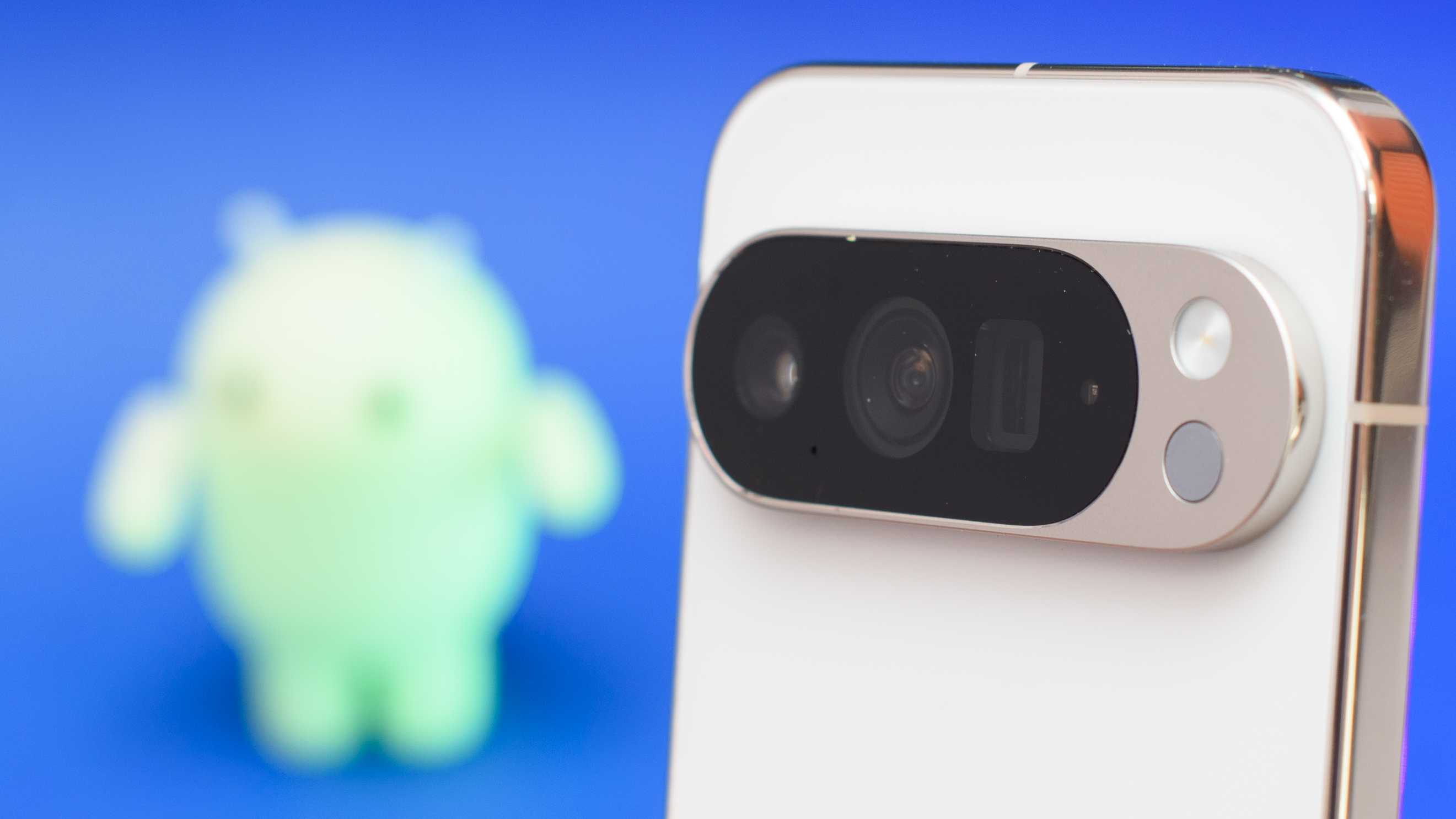 (Image credit: Philip Berne / Future)
The best Pixel phone
Specifications
Release date: August 2025
Weight: 232g
Dimensions: 162.8 x 76.6 x 8.5mm
OS: Android 15
Screen size: 6.8 inches
Resolution: 1344 x 2992
CPU: Google Tensor G5
RAM: 16GB
Storage: 256GB/512GB/1TB
Battery: 5,200mAh
Rear camera: 50MP (wide) + 48MP (ultra-wide) + 48MP (telephoto, 5x zoom))
Front camera: 42MP
Reasons to buy+
Huge display is the best smartphone screen out there
+
Awesome cameras take great photos, paired with effective AI editing
+
Fantastic Pixel design is more durable and polished than ever
Reasons to avoid-
Performance is lagging and will disappoint power users
–
Battery life hasn’t improved and is falling far behind competitors
–
Some new AI features don’t work as advertised
Buy it if
✅ You want a versatile camera phone: Pixel’s latest flagship combines top-end camera hardware with a suite of best-in-class AI editing tools to help you snap perfect pictures.
✅ You want the best display: The display on the Pixel 10 Pro XL is among the best we’ve ever seen. It’s big, sharp, and very bright in all situations.
✅ You’re keen to embrace AI: In addition to those AI-powered editing tools, the Pixel 10 Pro XL comes equipped with Gemini Live, Google’s conversational chatbot.
Don’t buy it if:
❌ You’re a power user: Google’s Tensor G5 chipset is fantastic for AI features and on-device processing, but it still lags behind the competition everywhere else.
❌ You want best-in-class battery life: The Pixel 10 Pro XL has the best battery life of any Pixel phone so far, but you’ll still get more endurance from an iPhone or a Samsung.
❌ You’re not fussed about AI: The best things about the Pixel 10 Pro XL are powered by AI. If you’re not fussed about embracing the future, pick another phone.
Google‘s Pixel 10 Pro XL is the best Pixel phone yet. Not only does it boast the best hardware of any Pixel device before it, but it also utilizes AI in a way that doesn’t feel gimmicky – a rarity in the phone market as it stands today.
At the time of writing, the Pixel 10 Pro XL and its smaller sibling, the Pixel 10 Pro, are indisputably the best AI phones. Google’s multi-modal Gemini AI can answer all manner of questions with genuinely useful answers. Gemini Live will let you while away the hours talking about… whatever you want with the phone’s built-in voice assistant. And the new AI photography features can be downright magical when used correctly.
Of course, this all means that you’ll have to be willing to embrace AI if you buy the Pixel 10 Pro XL. If you couldn’t care less, you’re better off reaching for an older iPhone.
That said, the Pixel 10 Pro XL is no slouch on the hardware front, either. Google’s Tensor G5 chipset can’t keep pace with the latest chipsets from Apple and Samsung (take note, gamers), but it’s a formidable software brain that keeps all of the 10 Pro XL’s on-device processes feeling buttery smooth.
The Pixel 10 Pro XL’s 6.8-inch Super Actua display is also among the best mobile displays around. As we noted in our Google Pixel 10 Pro XL review, the phone’s screen is “a joy to use in any situation,” and we’ve only chosen the XL model over the base model as our recommended entry here because its “incredible” display is, well, bigger.
The Pixel 10 Pro XL’s cameras are supremely versatile, too, even when not used in combination with those aforementioned AI editing features. In testing, we found that the phone “took photos with very accurate colors and plenty of detail at every focal range.”
In other words, the Pixel 10 Pro XL is a gorgeous-looking, feature-packed phone with great cameras. If you’re a keen mobile gamer or want the very best battery life, you’ll want to look elsewhere, but for everything else, the Pixel 10 Pro XL is a winner.
Read our full Google Pixel 10 Pro XL review
Today’s best Google Pixel 10 Pro XL deals
The best budget phone
Image 1 of 4
 (Image credit: Future)
 (Image credit: Future)
 (Image credit: Future)
 (Image credit: Future)
The best budget phone
Specifications
Weight: 198g
Dimensions: 162.2 x 77.5 x 7.4mm
OS: Android 15 w/ One UI 7
Screen size: 6.7 inches
Resolution: 1080 x 2340
CPU: Exynos 1580
RAM: 8GB
Storage: 128GB/256GB
Battery: 5,000mAh
Rear camera: 50MP + 12MP
Front camera: 12MP
Reasons to buy+
Bigger, thinner, and lighter than its predecessor
+
Healthy dose of AI features
+
An impressive jack-of-all-trades
Reasons to avoid-
Middling performance
–
Lacks full Galaxy AI suite
Buy it if
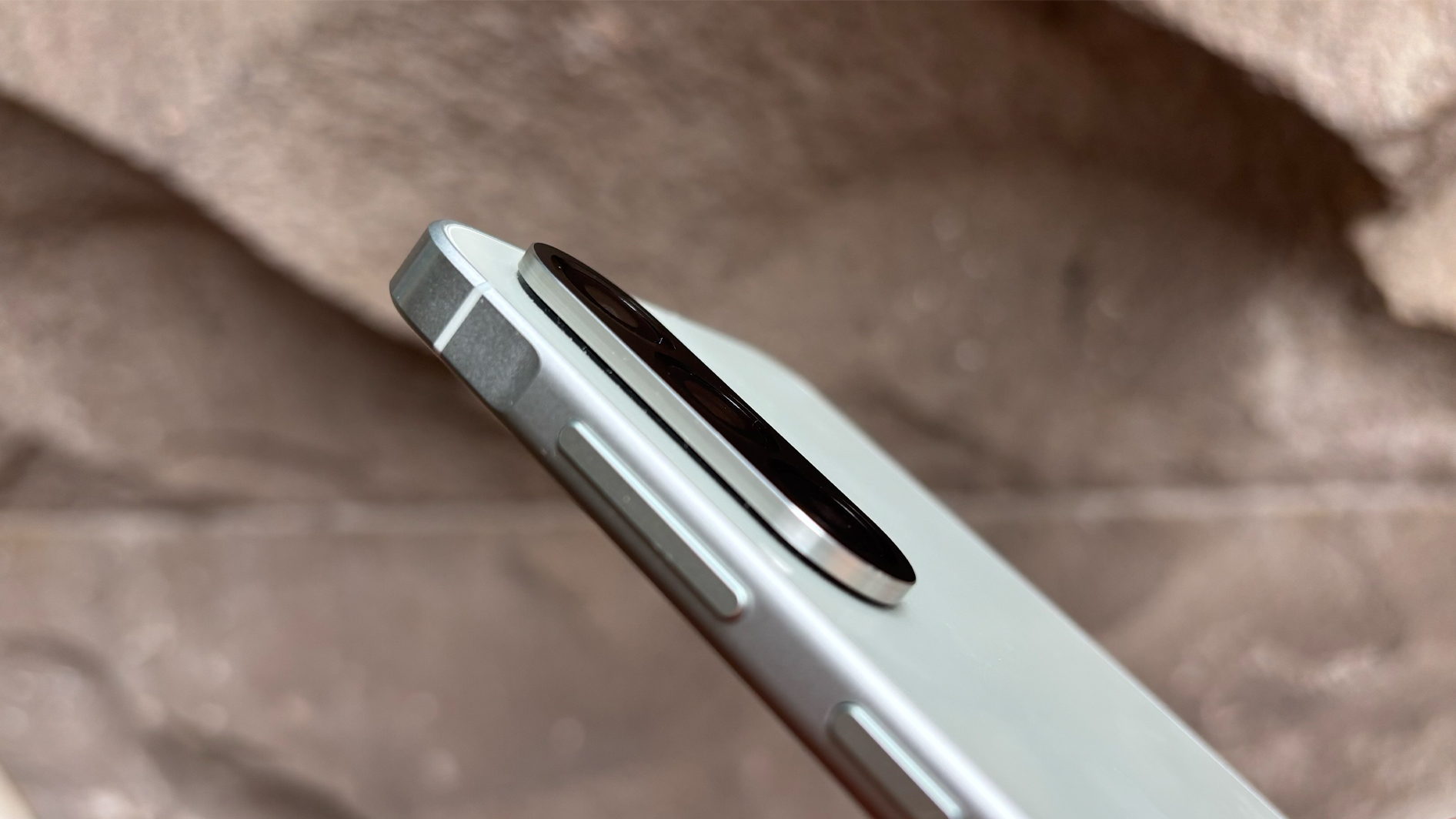
✅ You want a premium design without the price tag: Brushed metal sides and Gorilla Glass Victus protection make the Galaxy A56 both stylish and durable.
✅ You want to try AI on the cheap: The Galaxy A56 uses a dialled-down version of Galaxy AI, but it still gets the most useful Galaxy AI features.
✅ You want a cheap phone with longevity: Samsung’s seven-year update commitment to the Galaxy A56 is the joint-longest in this price range.
Don’t buy it if:
❌ You need serious performance: The Galaxy A56 excels in all areas except performance. For strong mobile gaming credentials, you’ll need to look elsewhere.
❌ You want the best AI tools: Despite packing the best of Galaxy AI, the Galaxy A56’s Awesome Intelligence feature suite isn’t as comprehensive as Galaxy AI proper.
❌ You want the best camera phone: The Galaxy A56 offers excellent cameras for the price, but you’ll need to spend a lot more for top-end camera hardware.
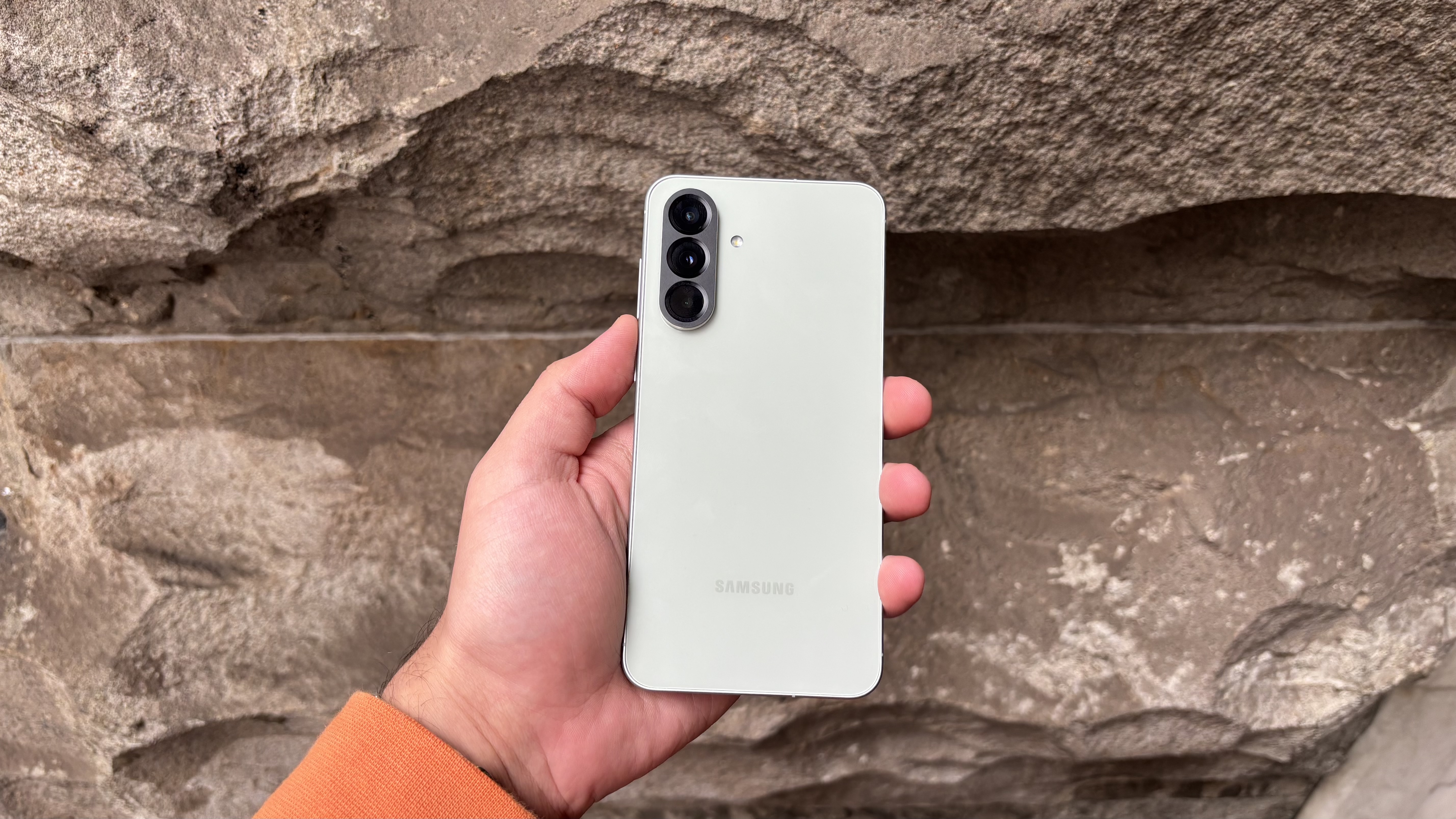
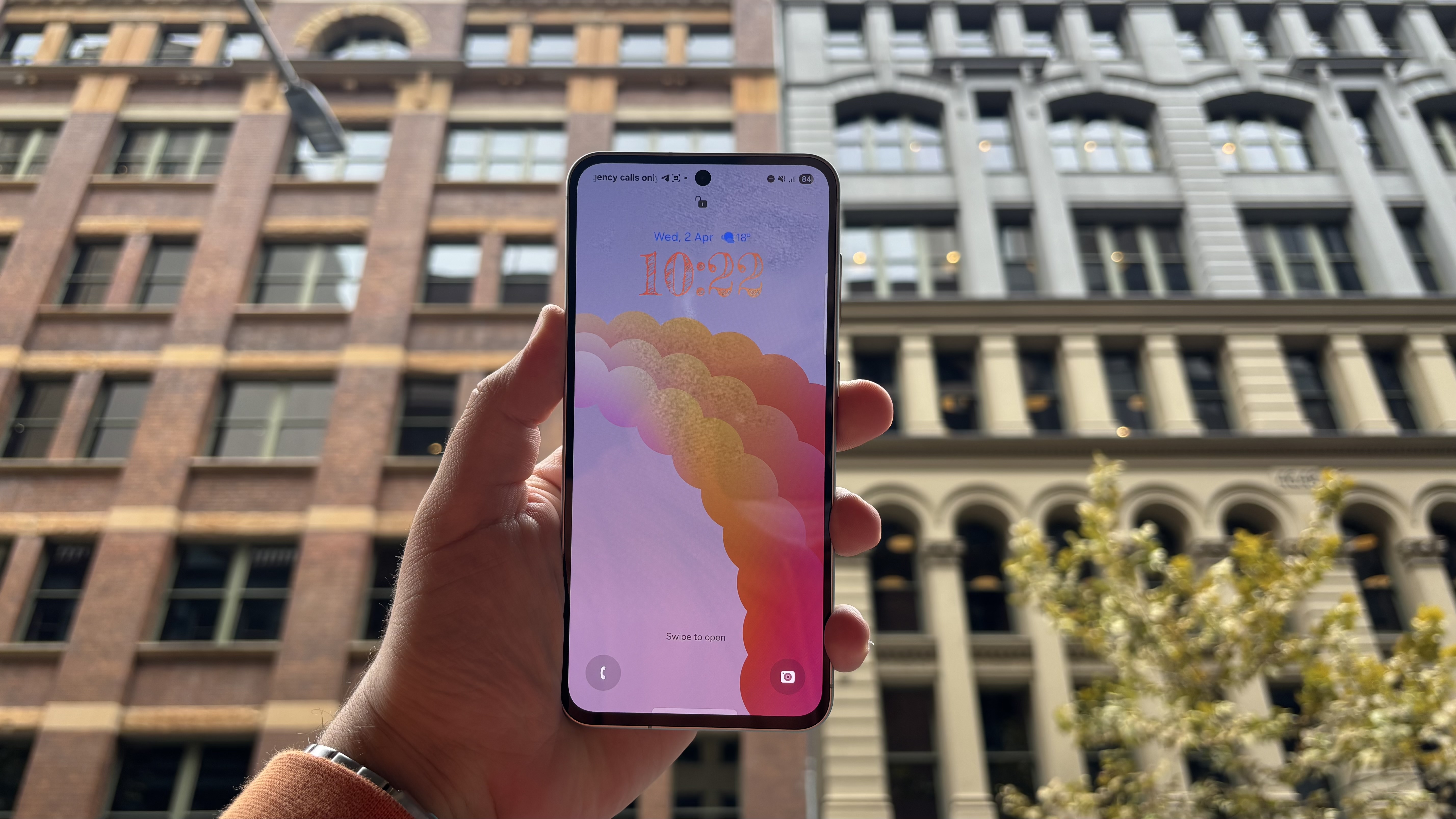
Let’s get one thing straight: the Samsung Galaxy A56 is not the cheapest phone you can buy. Heck, it’s not even the cheapest Samsung phone you can buy. But at £499, it offers supremely impressive value for money in the face of £1,000-plus flagships like the Galaxy S25 Ultra, and for that reason, it’s our current choice for the best budget phone in the UK.
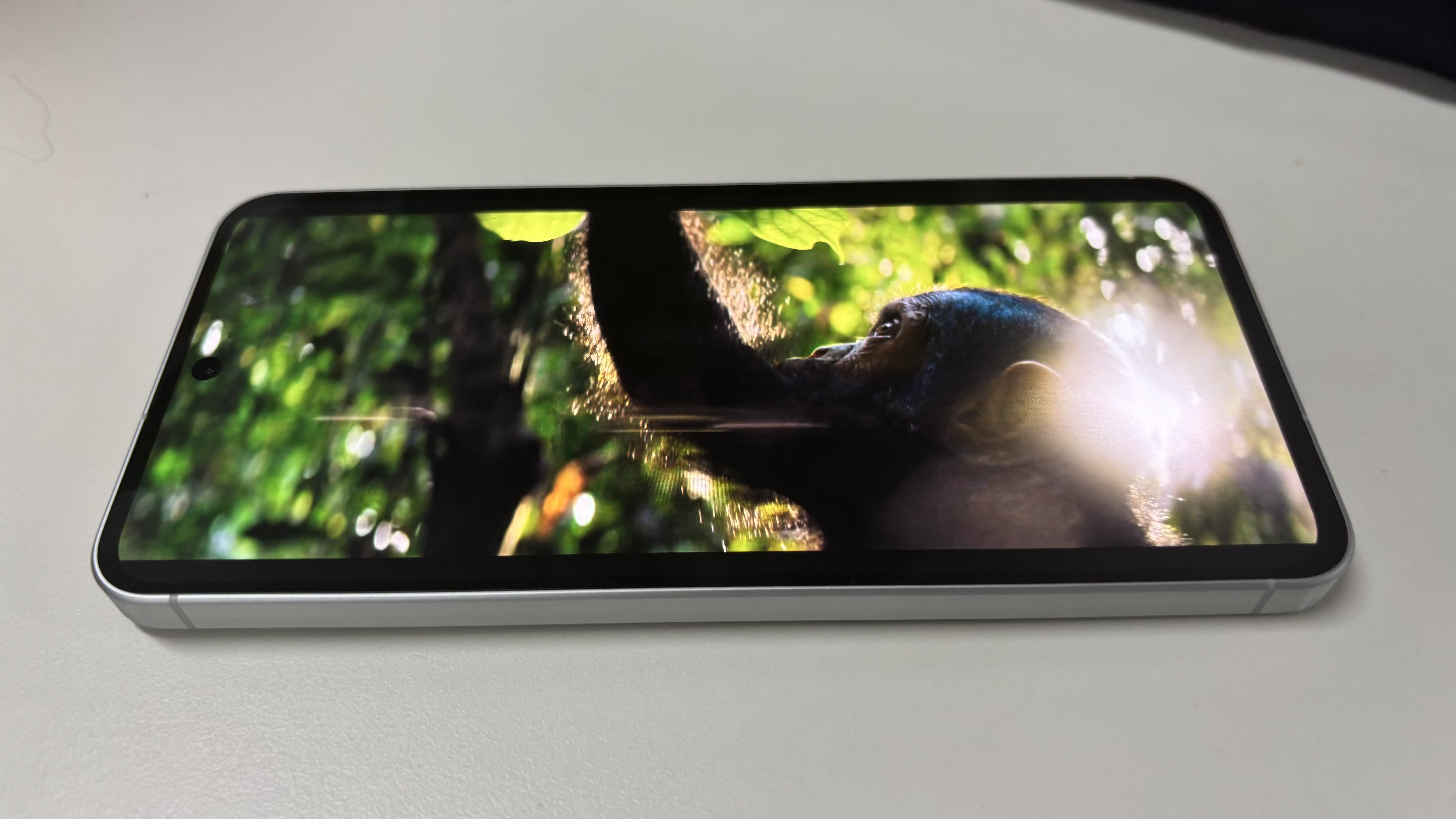
Almost every hardware spec on this phone is impressive. There’s the long-lasting 5,000mAh battery, the IP67-protected metal design, the bright 6.7-inch AMOLED display, and the trio of capable cameras (you’ll get a 50MP main snapper, a 12MP ultra-wide, and a 5MP Macro lens).
The phone’s software, too, is clean and snappy, with Samsung’s Awesome Intelligence feature suite bringing the best of Galaxy AI to the lower end of the price spectrum.
If we’ve one criticism of the Galaxy A56, it’s the phone’s Exynos 1580 chipset, which is powerful enough for everyday smartphone tasks (think scrolling, streaming, and messaging) but can’t keep up with the intense demands of mobile gaming. If you’re looking to play titles like Fortnite and Call of Duty: Mobile, you’re better off going for the Poco X7 Pro or a more expensive Android handset.
All told, then, the Galaxy A56 fulfils its brief as a feature-packed midrange smartphone that will satisfy all but the most demanding buyers. It’s durable, good-looking, long-lasting, offers a tidy UI, has helpful AI features, and produces decent photos across the board.
If you’re after an arguably cleaner Android experience, the Google Pixel 9a runs a close second to the Galaxy A56 as the best cheap phone overall, while the Nothing 3a Pro is also a great affordable option for those who like to stand out from the crowd.
Read our full Samsung Galaxy A56 review
Today’s best Samsung Galaxy A56 deals
The best alternative flagship phone
Image 1 of 4
 (Image credit: Philip Berne / Future)
 (Image credit: Philip Berne / Future)
 (Image credit: Philip Berne / Future)
 (Image credit: Philip Berne / Future)
The best alternative flagship phone
Specifications
Release date: January 2025
Weight: 210g
Dimensions: 162.9 x 76.5 x 8.5mm
OS: Android 15; Oxygen OS 15
Screen size: 6.82 inches
Resolution: 1440 x 3168
CPU: Qualcomm Snapdragon 8 Elite
RAM: 12GB / 16GB
Storage: 256GB / 512GB
Battery: 6,000mAh
Rear camera: 50MP+ 50MP + 50MP
Front camera: 32MP
Reasons to buy+
Durable design can handle the heat and (water) pressure
+
Market-leading battery life
Reasons to avoid-
Cameras aren’t quite as good as the absolute best, but close
–
Needs a case to take advantage of MagSafe compatibility
Buy it if
✅ You want an Android flagship that stands out from the crowd: The OnePlus 13 boasts an eye-catching, shockingly durable design that’s sure to turn heads.
✅ You want the best battery life: The OnePlus 13 offers some of (if not the) best battery life of any flagship smartphone, and it charges stupidly quickly, too.
✅ You’re a keen action photographer: The action mode on the OnePlus 13 delivers amazing high-speed shots, and low-light shooting is also a breeze on this phone.
Don’t buy it if:
❌ You want the very best camera phone: Despite its class-leading action cam credentials, the OnePlus 13 can’t quite match the Galaxy S25 Ultra and iPhone 17 Pro in everyday photo situations.
❌ You want comprehensive AI tools: The OnePlus 13 does feature a host of useful AI tools, but Samsung’s Galaxy S25 devices benefit from agentic AI features that OnePlus just can’t match yet.
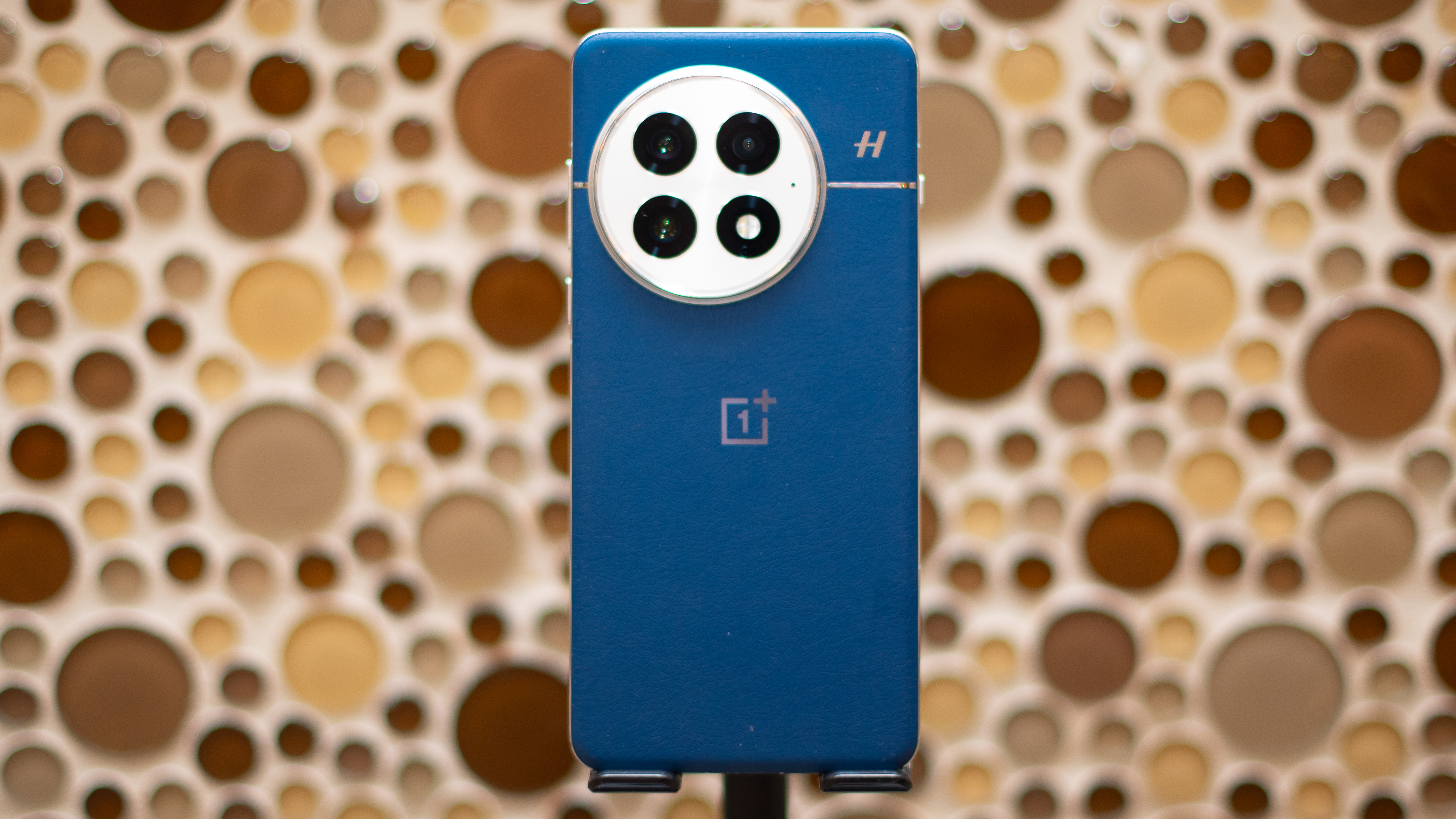
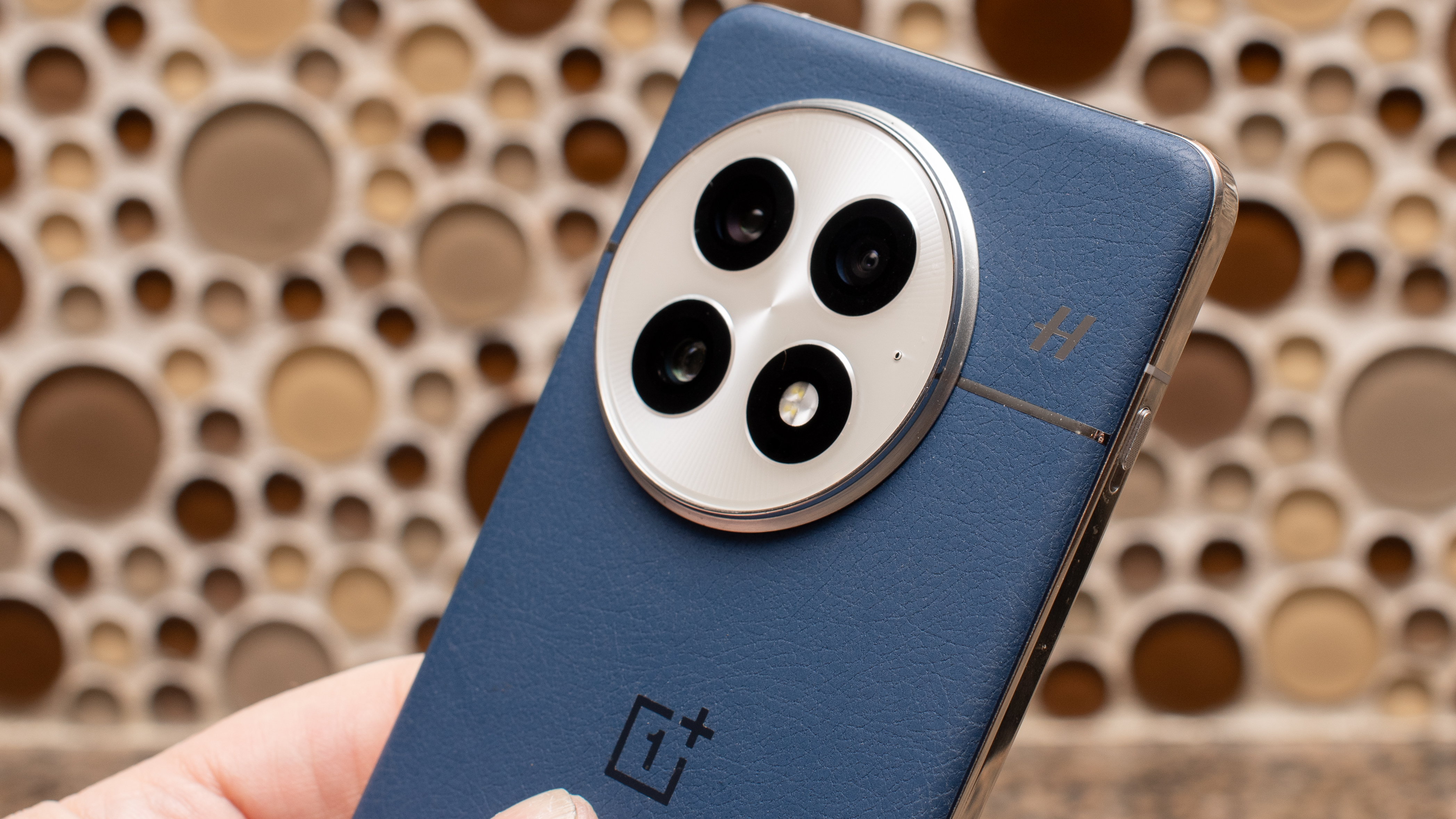
When we say the OnePlus 13 is the ‘best alternative flagship phone’, we mean it’s among the most impressive new flagships produced by a company that isn’t Apple, Samsung, or Google. To put it another way: this is a phone for those who want to stand out from the crowd.
In our OnePlus 13 review, we described OnePlus’ latest flagship as “more than just a pretty face”, and it earns that designation and then some. Yes, its design is visually striking as well as impressively durable, but the OnePlus 13 earns its place at the high table for its winning combination of hardware and software.
This “strikingly classy” handset boasts a super-fast Snapdragon 8 Elite chipset (you’ll find the same silicon inside many of the best Android phones), a vibrant 6.8-inch OLED display, and a class-leading 6,000mAh battery. The latter gives the OnePlus 13 some of the best battery life we’ve ever tested in a smartphone, with only the Galaxy S25 Ultra, iPhone 17 Pro Max, and Honor Magic 7 Pro giving it a run for its money in the endurance department.
On the cameras front, the OnePlus 13 packs a set of Hasselblad-tuned sensors that deliver excellent selfie, portrait, and action shots – it’s among the best camera phones for action photography – but you’re better off going with the Galaxy S25 Ultra or iPhone 17 Pro Max if you’re after real photographic versatility.
It’s a similar story for AI. The OnePlus 13 does feature a host of useful AI features for photo editing and query resolution, but you won’t find Samsung’s cutting-edge agentic software here.
All that said, OnePlus doesn’t ask that you pay more for an Ultra or Pro version of the OnePlus 13 (thank you, OnePlus!), and its latest flagship is significantly cheaper than the very best from Apple and Samsung. As far as value-for-money goes, then, the OnePlus 13 is a winner.
Read our full OnePlus 13 review
Today’s best OnePlus 13 deals
The best foldable phone
Image 1 of 4
 (Image credit: Lance Ulanoff / Future)
 (Image credit: Lance Ulanoff / Future)
 (Image credit: Lance Ulanoff / Future)
 (Image credit: Lance Ulanoff / Future)
The best foldable phone
Specifications
Release date: July 2025
Weight: 215g
Dimensions: 72.8 x 158.4 x 8.9mm (folded), 143.2 x 158.4 x 4.2mm (unfolded)
OS: OneUI 8 atop Android 15
Screen size: Cover: 6.5 inches, Main: 8 inches
Resolution: Cover: 2520 x 1080, Main: 2184 x 1968
CPU: Snapdragon 8 Elite
RAM: 12GB / 16GB (1TB only)
Storage: 256GB / 512GB / 1TB
Battery: 4,400mAh
Rear camera: 200MP (wide) + 12MP (ultra-wide) + 10MP (telephoto with 3x optical zoom)
Front camera: 10MP (cover) + 10MP (inner)
Reasons to buy+
The thinnest and lightest Z Fold phone yet
+
200MP main camera
Reasons to avoid-
No 5x zoom
–
No S Pen support
Buy it if
✅ You want the most powerful foldable: With its Snapdragon 8 Elite chipset, the Galaxy Z Fold 7 is among the most powerful phones money can buy in 2025 (foldable or otherwise).
✅ You want strong foldable cameras: Despite its foldable form factor, the Galaxy Z Fold 7 boasts an impressive array of cameras, including a 3x telephoto lens.
✅ You don’t want a visible crease: At the time of writing, the Galaxy Z Fold 7 has one of the shallowest and least noticeable creases on the foldable market.
Don’t buy it if:
❌ You want to use the S Pen: Samsung ditched the digitizing layer on the Galaxy Z Fold 7, so the phone doesn’t support the S Pen accessory.
❌ You want the stock Android experience: Samsung’s OneUI software is impressively deep and customizable, but it can be overwhelming for first-timers.
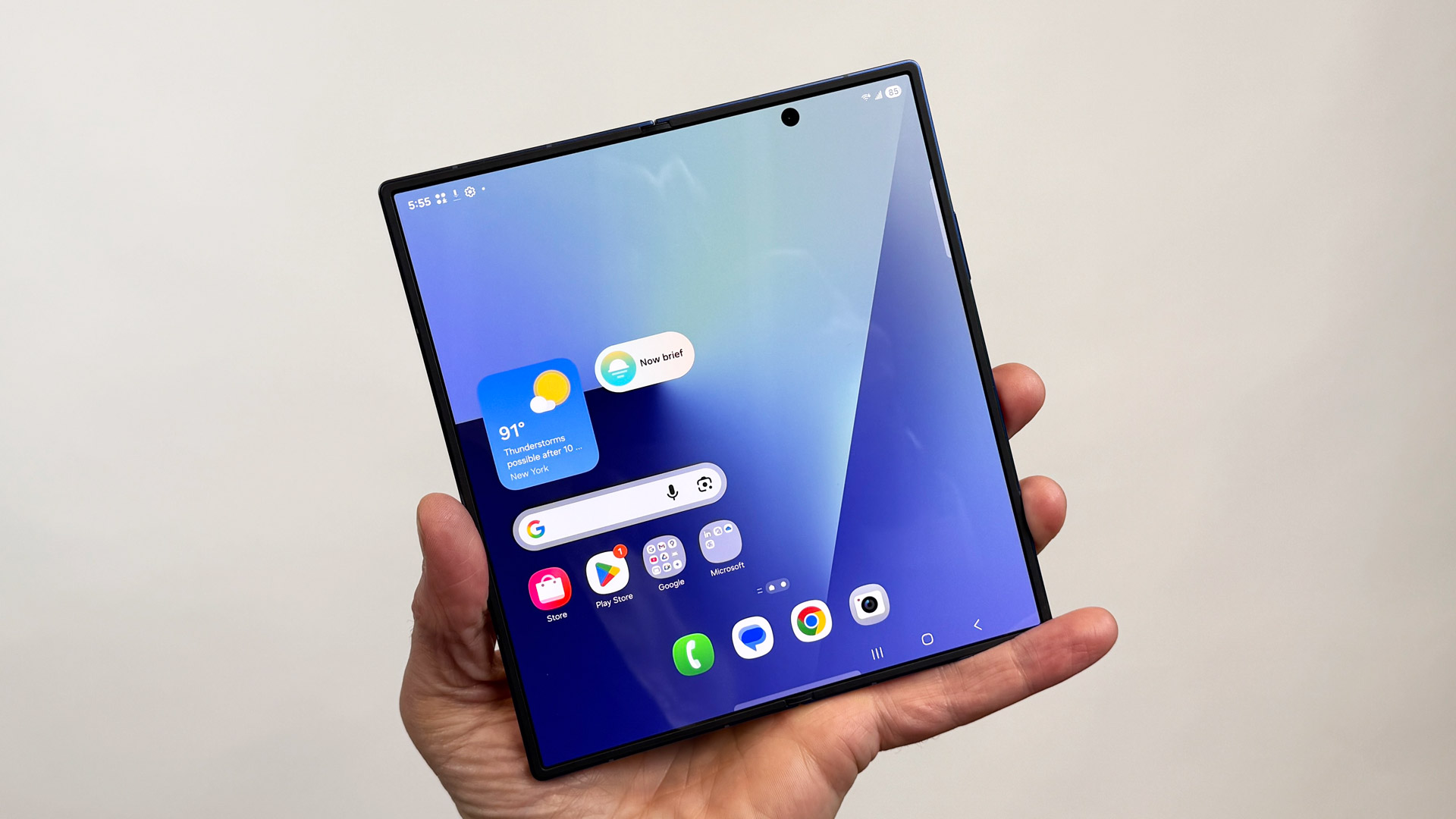
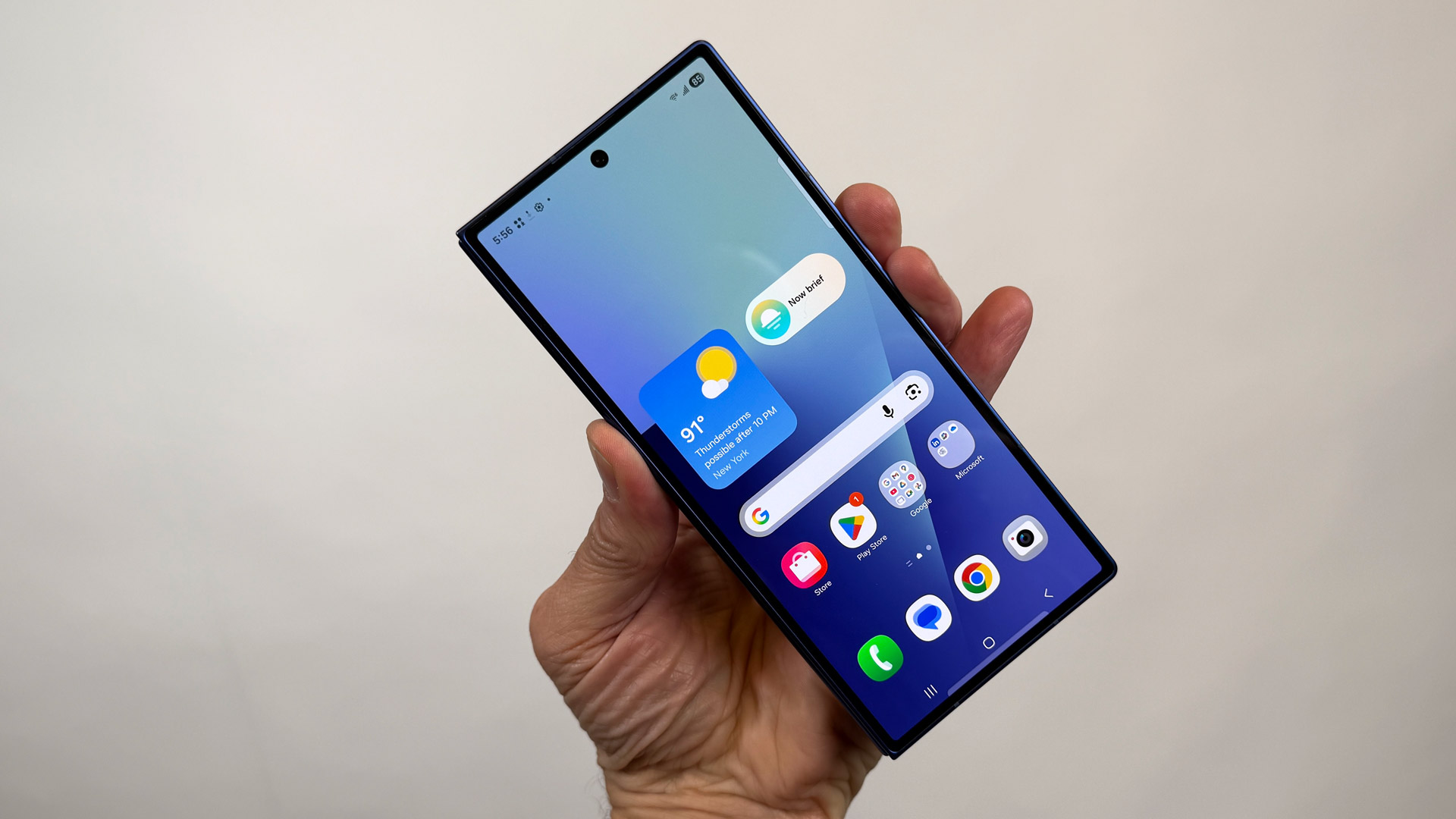
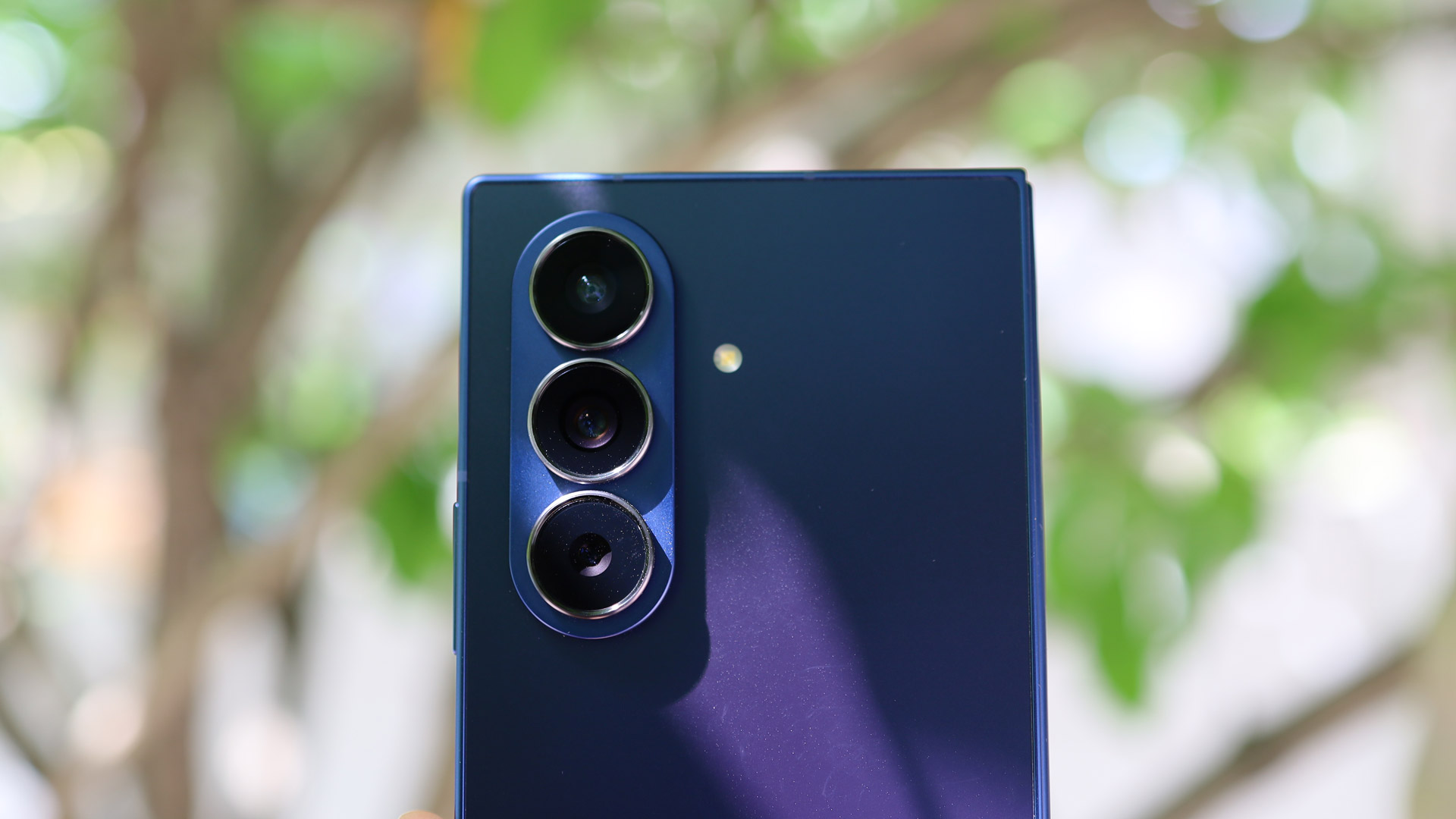
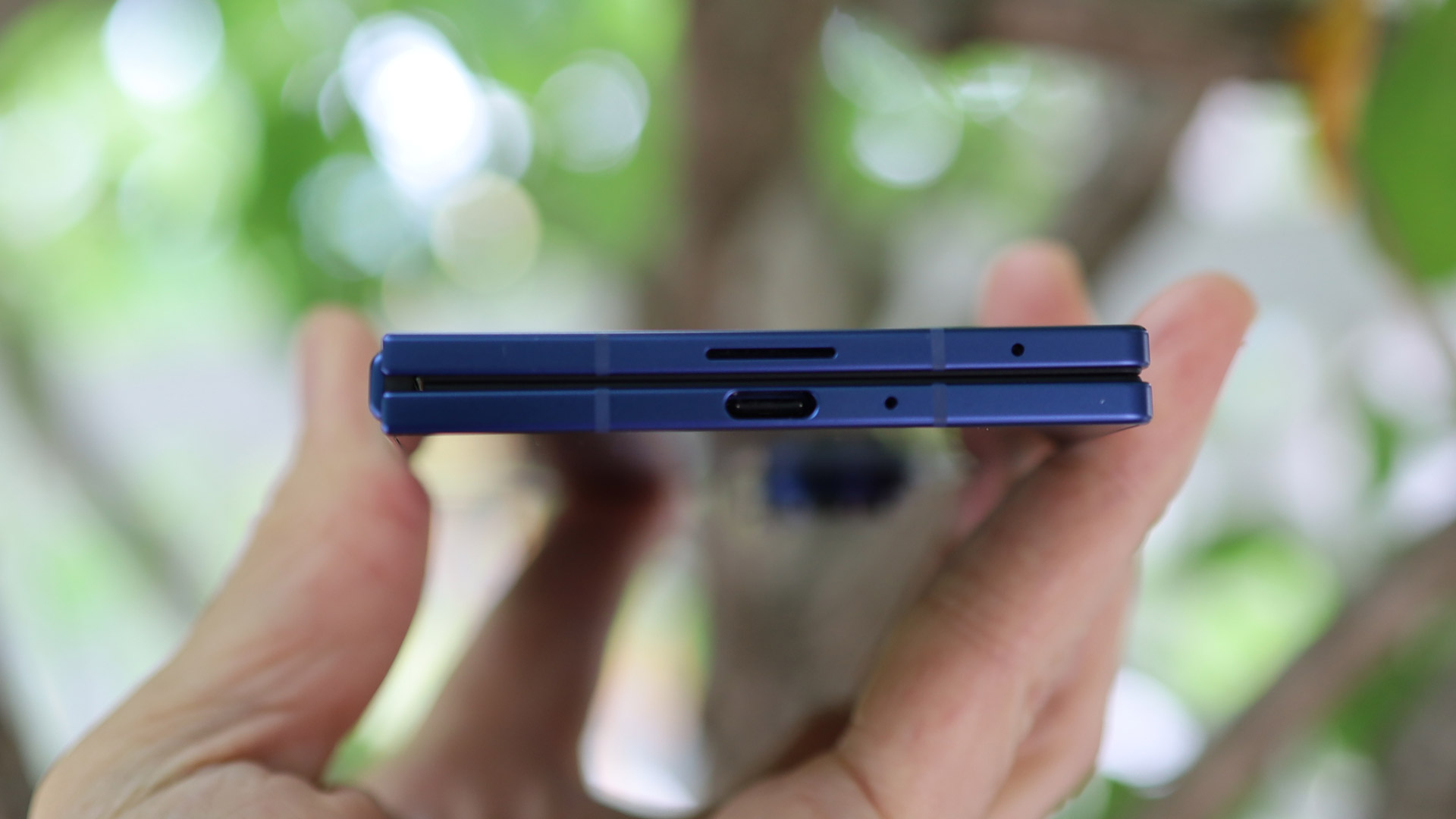
The Samsung Galaxy Z Fold 7 is the most powerful and well-rounded foldable phone on the market in 2025, beating out well-specced rivals from the likes of Honor, OnePlus, and Oppo.
At the time of writing, it’s the thinnest and lightest book-style foldable money can buy, yet Samsung somehow managed to include a larger 8-inch cover display and an entirely new camera system in the Galaxy Z Fold 7 versus the Galaxy Z Fold 6.
At 8.9mm when folded, the Z Fold 7 is almost as thin as a standard smartphone, and it actually weighs less than the single-screen Galaxy S25 Ultra, so you needn’t worry about it feeling bulky or unwieldy, which used to be a problem with so many foldable phones.
Under the hood, Z Fold 7 packs the superfast Snapdragon 8 Elite chipset, a long-lasting 4,400mAh battery, and up to 16GB of RAM, so it’s more than suited to mobile gaming and heavyweight productivity tasks, as well as casual browsing and streaming.
That aforementioned camera system comprises a 200MP wide lens, a 12MP ultra-wide lens, and a 10MP telephoto lens with 3x optical zoom, which is comparable to what you’ll find on some of the best camera phones, including the Galaxy S25 Ultra.
Our only real gripes with the Galaxy Z Fold 7 are its astronomically high starting price and lack of support for the S Pen accessory. However, if you can afford it, and aren’t fussed about using Samsung’s stylus, the Galaxy Z Fold 7 is one of the best foldable phones and best phones, period, we’ve ever seen.
Read our full Samsung Galaxy Z Fold 7 review
Today’s best Samsung Galaxy Z Fold 7 deals
The best flip phone
Image 1 of 4
 (Image credit: Philip Berne / Future)
 (Image credit: Philip Berne / Future)
 (Image credit: Philip Berne / Future)
 (Image credit: Philip Berne / Future)
The best flip phone
Specifications
Release date: May 2025
Weight: 199g
Dimensions: 73.99 x 88.12 x 15.69mm (folded), 73.99 x 171.48 x 7.29mm (unfolded)
OS: Android 15
Screen size: Cover: 4 inches, Main: 7 inches
Resolution: Cover: 1272 x 1080, Main: 2992 x 1224
CPU: Snapdragon 8 Elite
RAM: 16GB
Storage: 512GB / 1TB
Battery: 4,700mAh
Rear camera: 50MP (wide) + 50MP (ultra-wide) + 50MP (telephoto with 3.5 optical zoom)
Front camera: 50MP
Reasons to buy+
Excellent performance and battery life that just won’t quit
+
Fantastic materials that make the design truly pop
Reasons to avoid-
The priciest Razr ever
–
No zoom lens
Buy it if
✅ You want the most powerful flip phone: With its Snapdragon 8 Elite chipset, the Razr 60 Ultra trumps the Samsung Galaxy Z Flip 7 for raw performance.
✅ You want a long-lasting flip phone: The Razr 60 Ultra boasts truly all-day battery life thanks to a bigger, faster-charging battery than the Galaxy Z Flip 7.
✅ You don’t want a visible crease: The crease (or lack thereof) on the Razr 60 Ultra is among the best on any flip foldable in 2025.
Don’t buy it if:
❌ You’re a keen zoom photographer: As with all other flip phones right now, the Razr 60 Ultra doesn’t have a telephoto lens, so its zoom capabilities are limited.
❌ You’re on a budget: At £1,099, the Razr 60 Ultra is incredibly expensive; cheaper flip options are available from Samsung, Xiaomi, and Nubia.
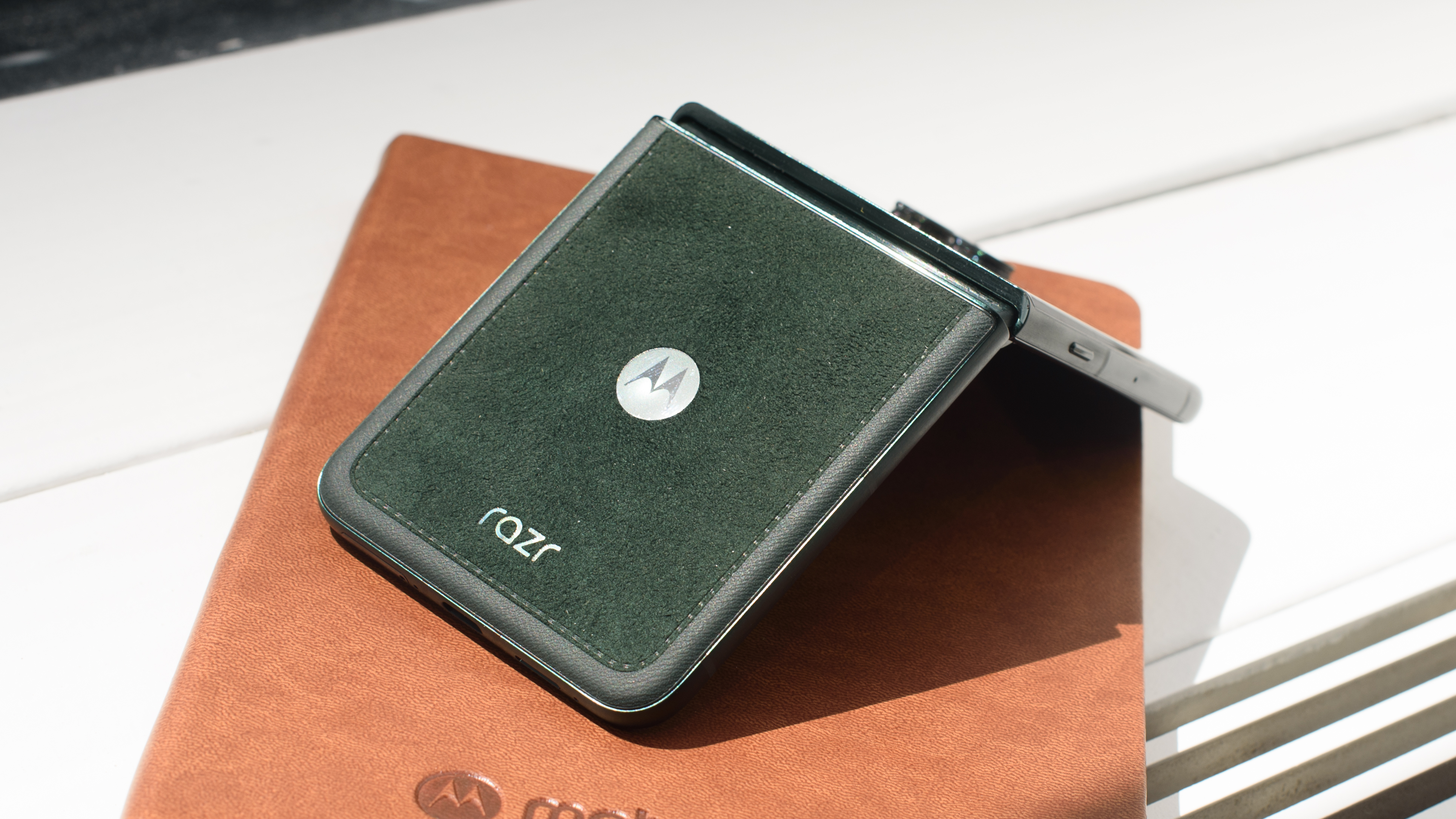
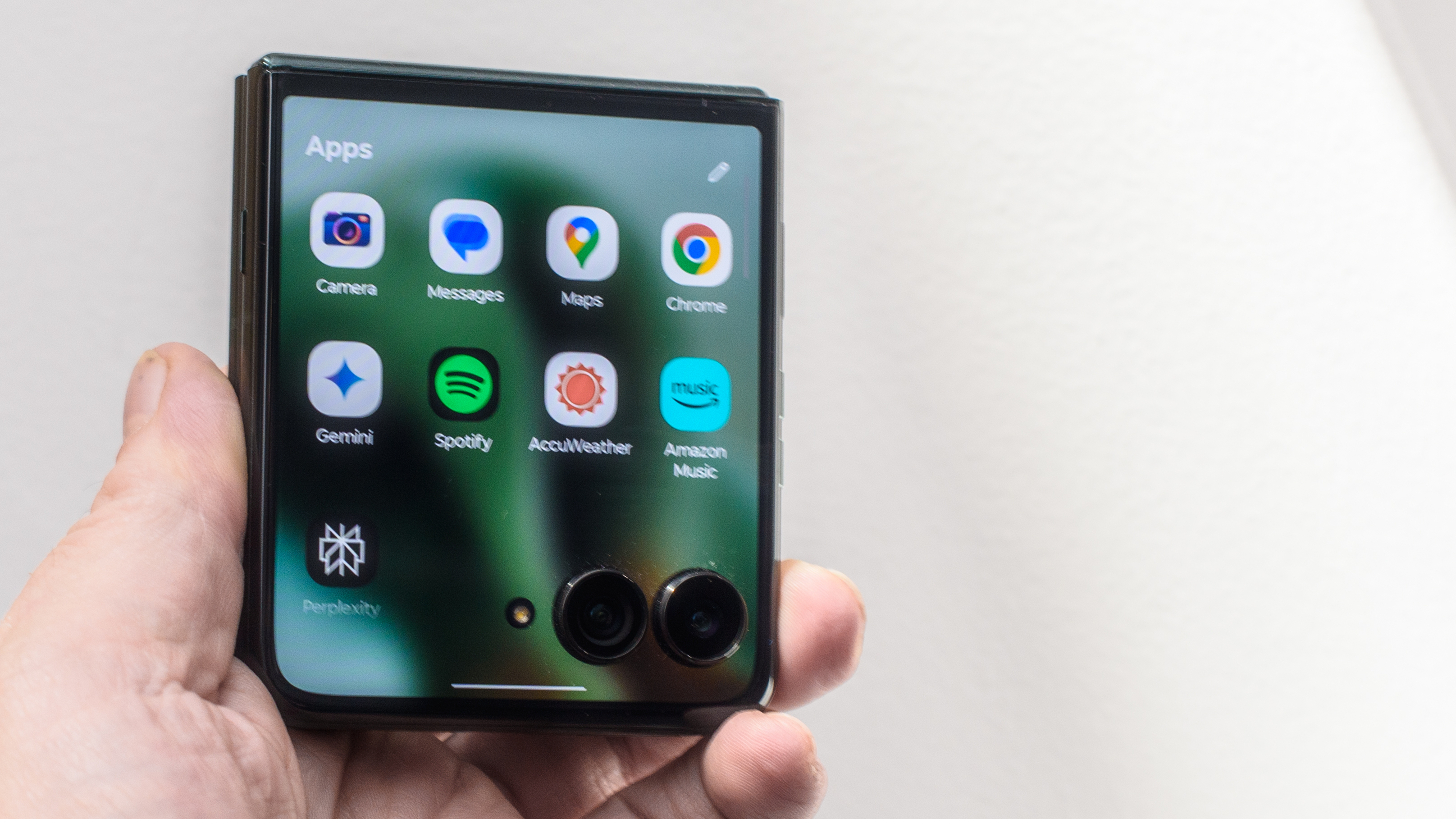
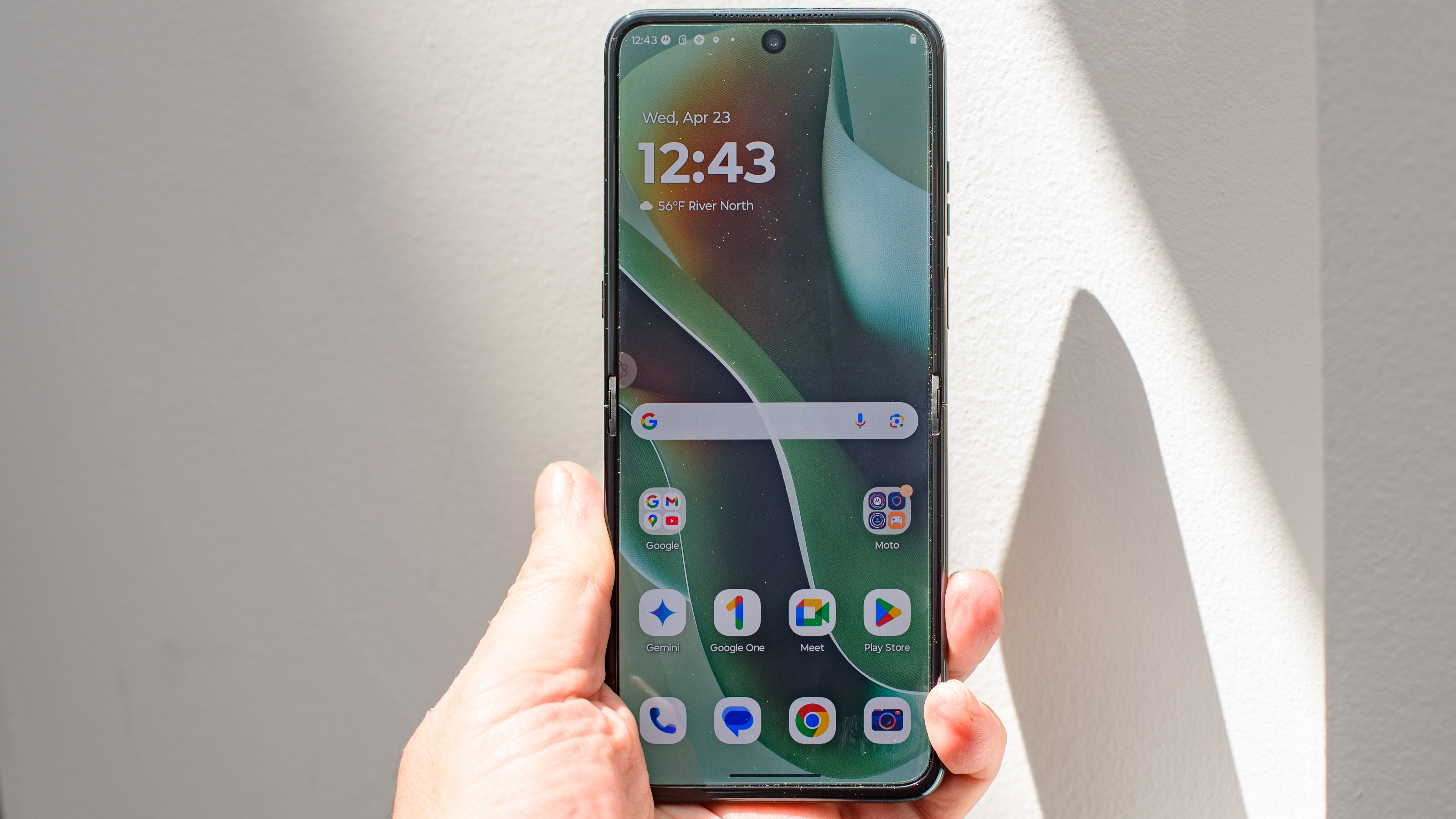
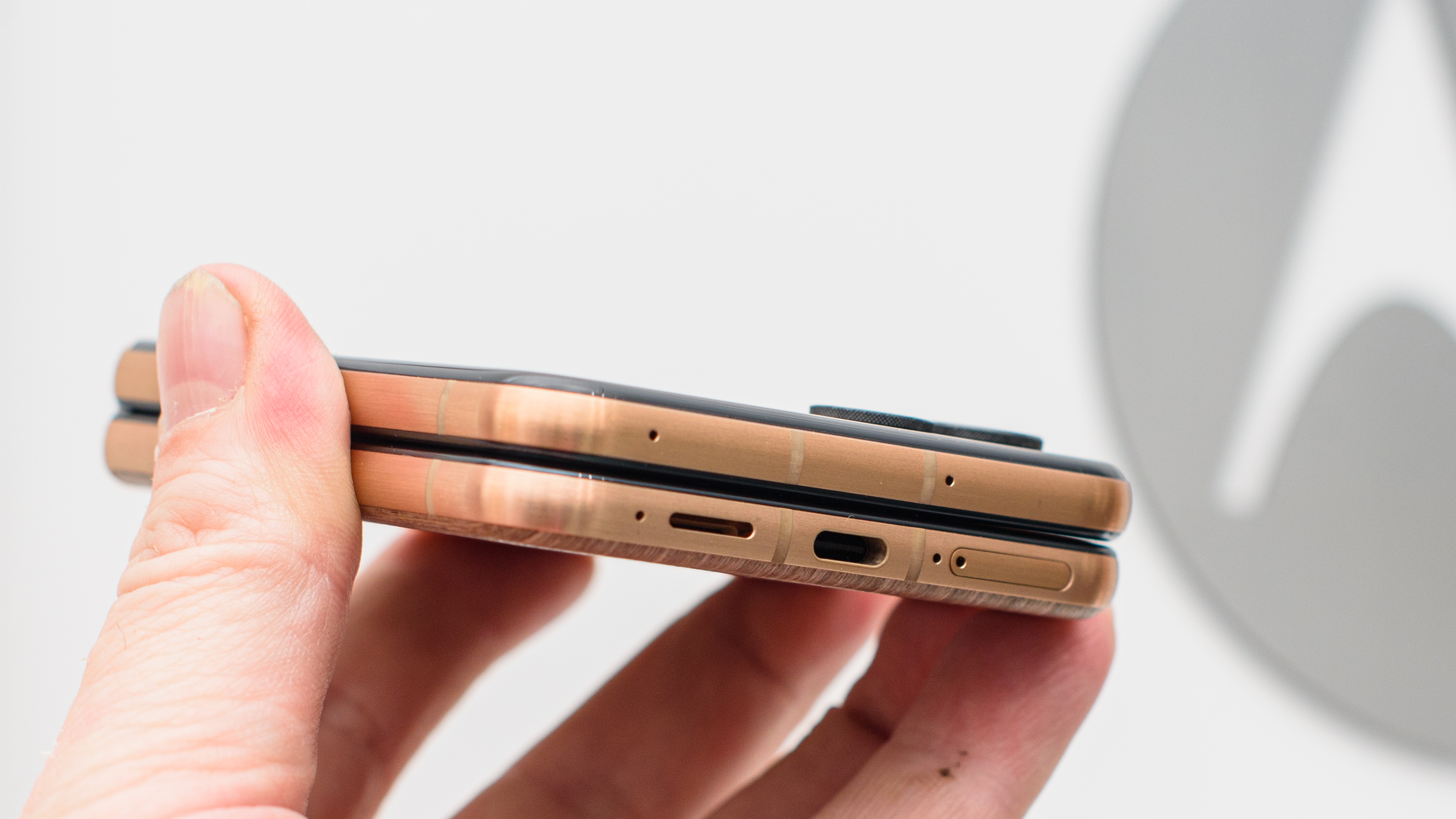
For the most complete flip phone experience in 2025, our recommendation is the Motorola Razr 60 Ultra (otherwise known as the Motorola Razr Ultra 2025 in the US).
For fans of Samsung’s OneUI software, the Samsung Galaxy Z Flip 7 is an equally strong option, but as you can read in our Samsung Galaxy Z Flip 7 vs Motorola Razr 60 Ultra comparison, the Motorola is the on-paper champ.
Specifically, it boasts a more powerful chipset (the Snapdragon 8 Elite), more RAM (16GB), more megapixels in some of its cameras (a 50MP main and ultra-wide), a bigger, faster-charging battery (4,700mAh), and brighter, higher-resolution screens.
In other words, the Razr 60 Ultra doesn’t ask that you compromise on performance by choosing its foldable form factor. Instead, it’s a powerful, long-lasting device with intuitive Android software and a range of great colour options.
As for criticisms, there’s no telephoto camera to speak of on the Razr 60 Ultra, so keen zoom photographers will want to look at one of the best camera phones instead. Additionally, Motorola’s AI features aren’t anything special just yet (in that battleground, Samsung’s Galaxy AI is the clear winner), though Motorola has committed to providing the Razr with three major Android OS updates and four years of bi-monthly security updates.
Of course, at £1,099, it’s also an extremely expensive phone. But the Galaxy Z Flip 7 is only marginally cheaper in the UK (£1,049), and as mentioned, the Razr 60 Ultra bests the Samsung in a number of hardware departments.
Read our full Motorola Razr 60 Ultra review
Today’s best Motorola razr 60 ultra deals
FAQsWhat is the best phone in 2025?
Objectively speaking, the best phone right now is either the Samsung Galaxy S25 Ultra or Apple iPhone 17 Pro Max, but both excel at different things. The former boasts the best mobile cameras on the market, while the latter is the world’s most powerful phone. If you’re not looking to pay their stratospheric asking prices, the iPhone 17 is our current pick as the best phone for most people, while for foldable phone fans, the Samsung Galaxy Z Fold 7 and Motorola Razr 60 Ultra are worth considering.
How to choose the best phone for you
Depending on the way you use your smartphone, there are likely to be one or more aspects of a device that are important to you.
If you want a hardy smartphone, you should check whether it has an IP rating – this will dictate how protected it is against dust and moisture. Also consider its material – ceramic is very fragile, as is glass, but plastic and metal can be more protective.
If you stream a lot, you might want a good-looking display. Bigger, up to 6.8 inches, might be useful for you, as will a resolution over 1080p. Refresh rates of 90Hz or 120Hz also ensure that motion looks smoother.
Battery life can be a pain for people, though capacity doesn’t always dictate how long a mobile lasts. A phone needs to last at least a day to be useful for most people, though some go up to two days.
Charging speed is also important, and anything of 65W or up is good, though some phones now offer over 120W. The best phones power up in under an hour, and some even take less than 30 minutes.
Camera quality is hard to convey through a specs list, so you’ll have to rely on our analysis and testing to see how good they are – but it’s always useful to find a camera phone with multiple lenses and modes.
What is the best gaming phone?
The best gaming phone on this list is the iPhone 17 Pro Max. Its powerful A19 Pro and the new vapor chamber cooling system means it’ll run demanding games smoothly while keeping uncomfortable heat away from a user’s fingers. And iPhones have access to some console-quality games like Death Stranding and Sniper Elite 4 that Android phones don’t. Add in Apple Arcade exclusive games and you’ve got a great gaming phone in a refined package.
What smartphone has the best battery life?
The OnePlus 13R offers the best phone battery life, which in our Future Labs testing delivered 18 hours and 49 minutes of power in its default mode. That translates to two days on a single charge. The 13R isn’t on this list, however, as it’s beaten by other phones overall for features at its price point.
What are the upcoming smartphones for 2026?
Next year will very likely see the arrival of the Samsung Galaxy S26 series, Google Pixel 11, OnePlus 16, and other next-generation models for the ones on this list. Given the incremental upgrades these phones are likely to offer, expect them to take the place of current models. But if you want one of the best phones right now, you can’t really go wrong with any models on this list, as they’ll surely be able to handle most tasks, apps and features for several years to come.
What’s the best UK network for 5G coverage?
EE is generally considered to be the best 5G network provider in terms of coverage, offering 5G connectivity for 87% of the UK population. In some urban areas its 5G network connections can hit speeds that top 500Mbps. Three’s 5G network coverage is also extensive, and it offers some of the fastest overall connection speeds with an independent test by RootMetrics finding a best case speed of 916.8Mbps. Vodafone and O2 offer less widespread coverage and slower 5G networks speeds than EE or Three, but still offer robust coverage in urban areas.
How we test
Every phone on this list was subjected to a full TechRadar review, and therefore our entire testing process. The core part of this process involves using the phone as our own for one week or more. We slot our SIM card in, and use the device for social media, entertainment, photography and other normal tasks.
This is so we can emulate how you’ll use the device if you buy it. It helps us understand all the quirks of a phone that you don’t notice if you just leave the device in a lab and test it. Of course, we do some lab tests, too, for some direct comparison.
So, we’ll game and we’ll do benchmark tests to work out how powerful a phone is; we’ll time a phone when it’s charging but also just work out how powering fits into our morning routine; we’ll test how long a phone takes to run down, but also just handle it day-to-day for a long period of time.
Our main areas of focus in our review are the phone’s design, display, cameras, performance, software and battery life, though of course its price is also important for our final judgement.
Not found the best phone yet?
You’re at the end of our best smartphone guide, but that doesn’t mean we can’t help you further. If you still can’t decide which model is right for you, we’ve got a tool that can compare all the phones together to help you determine which one suits you best, based on the cost.
If you want to get all the info, head over to our full mobile phone deals page.
You’ve reached the end of the page. Jump back up to the top ^
Round up of today’s best deals