
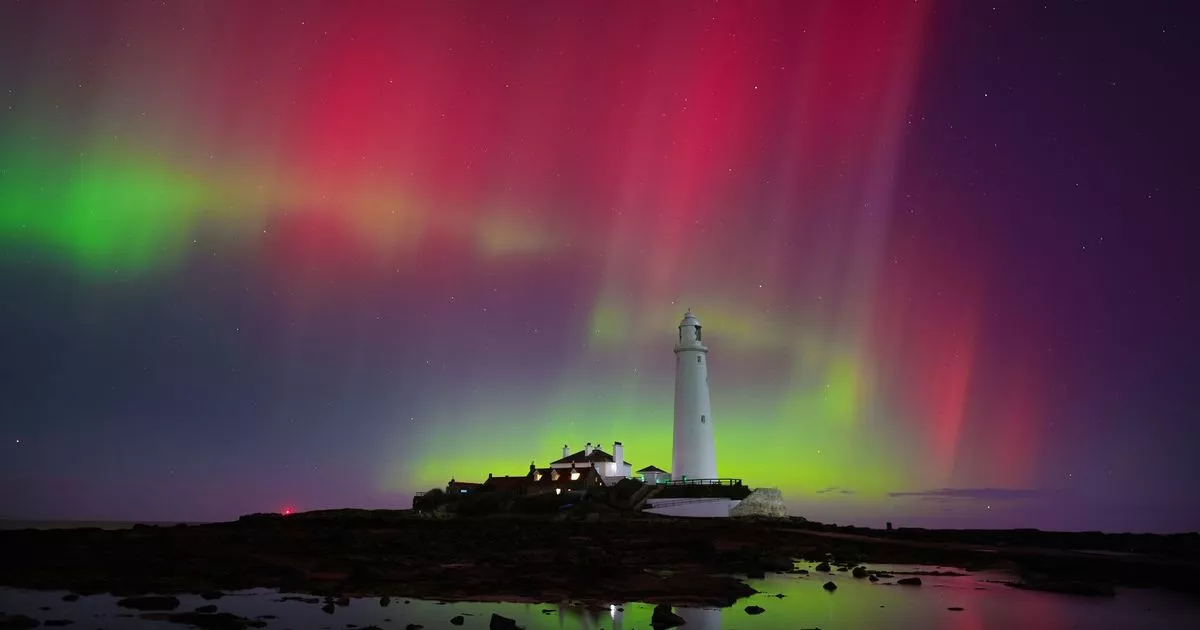
Expert viewing tips on how to have the best chances of spotting aurora tonight, even if it’s cloudy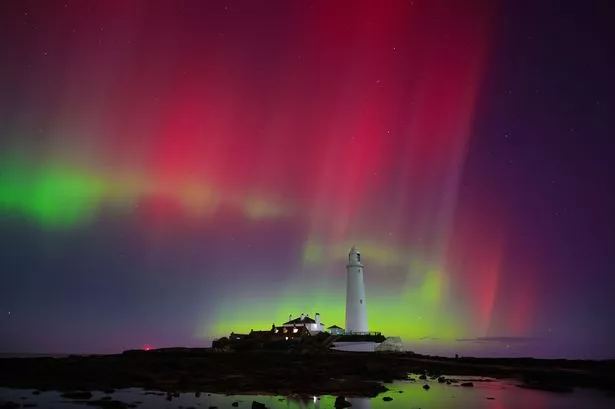 A major solar storm is set to trigger widespread aurora displays(Image: PA)
The Northern Lights could light up UK skies tonight in a rare ‘extreme’ geomagnetic storm.
Also known as the aurora borealis, the spectacular lights were spotted by lucky skywatchers across Scotland and northern England on Tuesday-Wednesday night, where skies were clear.
Now, aurora displays could be visible across the UK again in what could be the largest solar storm in over two decades.
The British Geological Survey (BGS) upgraded its geomagnetic forecast on Wednesday (November 12) to the highest intensity level amid an ongoing solar storm.
The Met Office has said sightings are possible again on Wednesday night and into Thursday morning in the north of the country, with a chance of seeing the lights further south across England and Wales, although the forecaster said cloud coverage may impact visibility.
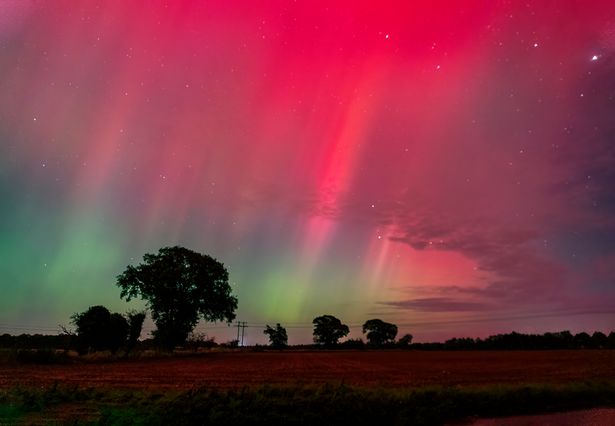 The Northern Lights are set to dazzle the UK once again(Image: Getty Images)
Met Office Space Weather Manager Krista Hammond said: “Multiple coronal mass ejections have reached Earth in recent days, with another one likely to arrive later today.
“This event is likely to be of a similar magnitude to the one in May 2024, which brought auroras across much of England and Wales.
“However, on this occasion, the weather will hamper viewing potential for many, with thick cloud and rain for much of the country.
“The best visibility is likely to be in the north of Scotland on Wednesday night, though there is a chance of some breaks in the cloud at times in the southeast in the night.”
According to Met Office aurora maps, the best time to catch a glimpse of the aurora tonight is from 9pm until 3am, with the strongest activity forecast at around midnight.
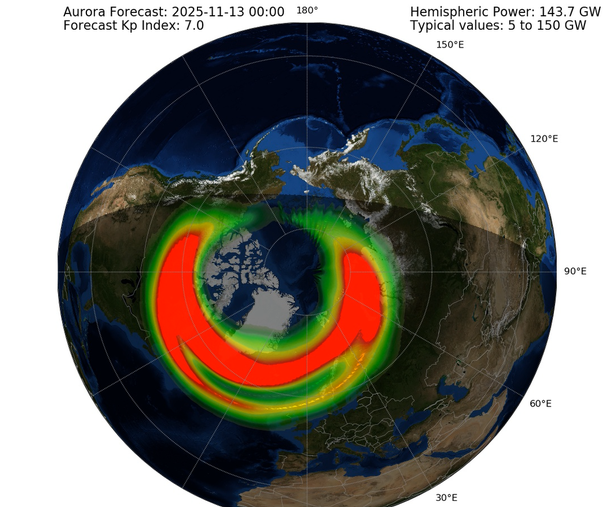 Aurora maps show a high chance of visible Northern Lights at midnight tonight(Image: The Met Office)
In its space weather alert, the Met Office warned of both ‘extreme’ and ‘severe’ geomagnetic storms. In the event of a ‘severe’ G5 storm – the highest category on its scale – it says aurora may be seen across the whole of the UK.
How to see the Northern Lights in the UK
While northern areas have the best chance of seeing vibrant aurora displays, the lights may also be visible across much of the UK.
Clear, dark skies
According to the BGS, the aurora sits hundreds of kilometres up in the sky above the height of the clouds, so clear skies are essential when trying to catch a glimpse of the Northern Lights.
Met Office cloud cover maps suggest only the north of Scotland, northeast of Wales and southeast of England will have breaks in the cloud throughout the night. But skies often change quickly, so be sure to use real-time weather checkers to find clear patches of skies. You might even wish to drive or move location to give yourself the best chance of spotting the aurora.
The sky also needs to be dark, so get away from streetlights and find a spot with minimal light pollution,
The perfect view
The aurora usually sits north of the UK, so the further north you live the more chances you will have to see the lights, the BGS said.
It urges sky watchers to find a clear view to the north, such as a coastal location or on top of a hill. During extremely strong displays the aurora might be overhead, or to the south of your location so have a good look around, it added.
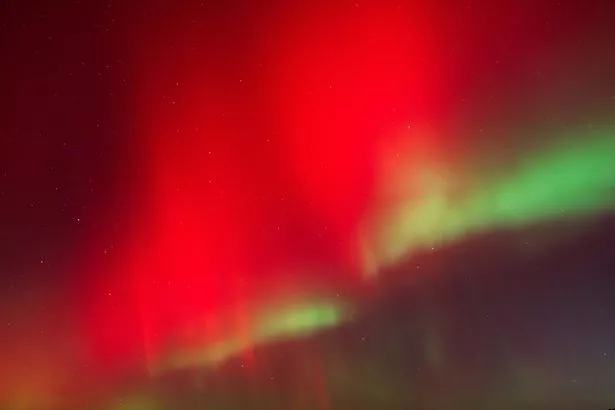 A strong geomagnetic storm triggered vibrant aurora displays across the globe last night(Image: Getty Images)
Good timing
Forecasters agree that the best chances of seeing the aurora is generally around the hours of local midnight, between 10pm to 2am.
Keep an eye on local aurora forecasts throughout the night, as the strength of aurora displays depends on geomagnetic activity.
Use your camera
A camera is more sensitive than the naked eye and will pick up the colour of the aurora well. The BGS encourages sky watches to take long-exposure photos of the sky to make a fainter display pop. If you’re using a smartphone, make sure it’s on night mode.