
(Credits: Far Out / Album Cover)
Thu 13 November 2025 20:45, UK
Created in a haze of heroin-fueled hedonism and tax exile, The Rolling Stones’ 1972 masterpiece Exile On Main St is not only one of the band’s greatest records, but it is also one of the most pivotal albums to ever hit the airwaves, setting the standard for the punk and alternative rock explosion which was to come.
Exile wasn’t so much a departure from the previous sound of The Rolling Stones as it was an extension of their sound, turning everything up to 11 and forgoing the usual perfectionism favoured by Decca during those early years.
It is a rough and ready album which perfectly reflected the fast-living seediness of the band at that time, recording in the drug-fueled surroundings of Keith Richards’ mansion in Nellcôte, where he spent the money the band were saving on paying tax back home in the UK on copious amounts of heroin and booze.
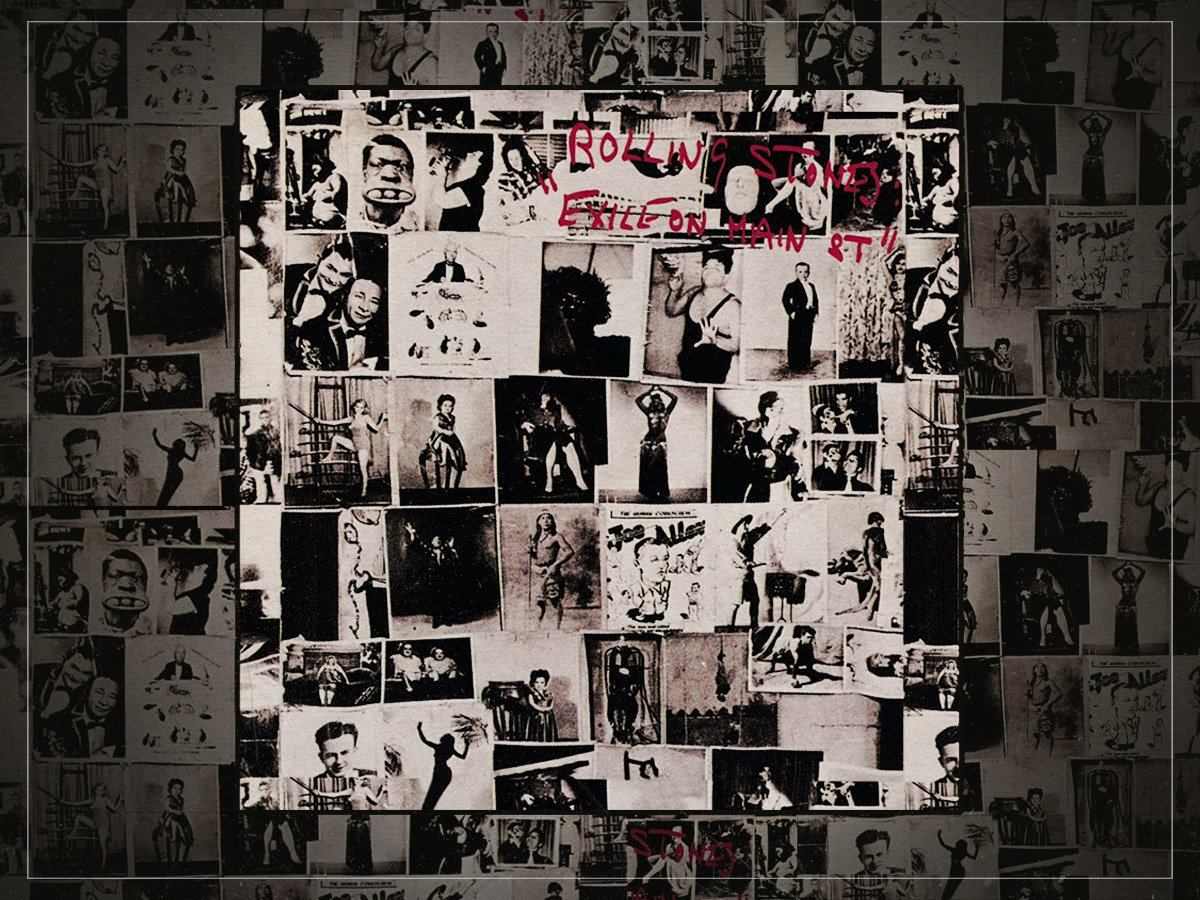
By that time, during the early 1970s, The Stones had already amassed a reputation as rock and roll rebels, but Exile On Main St certainly extended that reputation into the new decade, maintaining their position as the ire of parents and authority figures across the land. Every individual aspect of the record, from its defiant grooves down to its black-and-white packaging, was darkly subversive. In fact, you could probably gauge the atmosphere of the album without ever actually listening to it, such is the power of that iconic album cover.
The Stones have a habit of creating legendary album covers, with Exile’s predecessors in Let It Bleed and Sticky Fingers being two prime examples. Those two covers, however, don’t lend themselves to interpretation quite as easily as the band’s 1972 effort; who exactly are all of these people included in this collage of strange faces, and what on Earth does it mean?
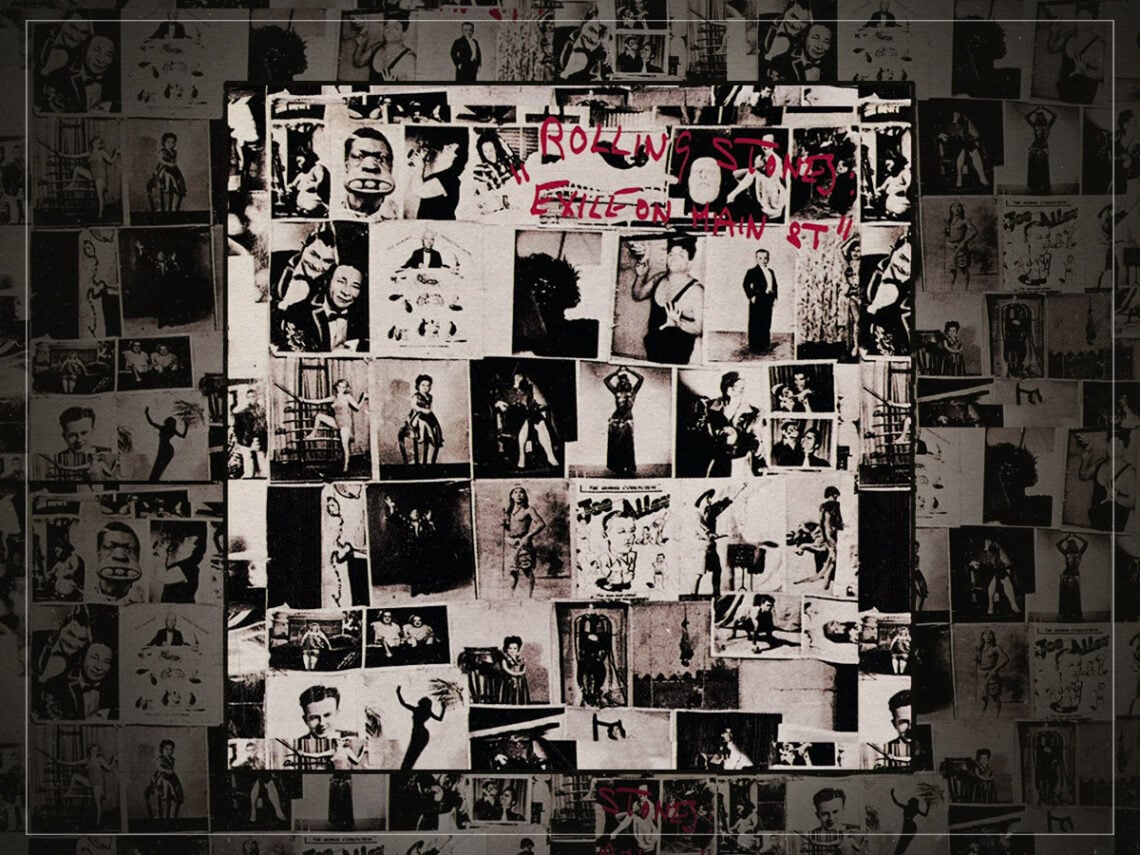
Unlike the band’s pseudo-rivals, The Beatles and their Sgt Pepper’s album cover, there is no detailed key of who every individual included on the Exile on Main St album cover is. A prevailing reason for this is that nobody involved in the creation of the album cover actually knew who they were. Despite its appearance as a put-together collage, the cover is actually based on a photograph taken by Robert Frank years prior, in 1950.
Frank captured the collection of photographs inside a tattoo parlour on Route 66, where they adorned the walls. If you examine the photographs, as every Stones fan probably has done since its release over 50 years ago, you will find that a lot of the people seem to be circus performers, belly dancers, or potential freak show inclusions, and the album’s art director, John Van Hamersveld, was keen to draw parallels between those performers and The Rolling Stones themselves.
“The general tone of the time was one of anarchy. Drug dealers and freaks and crazy people left over from the ’60s – all defiant and distorted,” Hamersveld recalled of the album’s production, per Classic Rock. “I said: ‘Why don’t we take the guy with the balls in his mouth?’ That is the most amazing photo I’ve ever seen.”
In an effort to cement the link between those forgotten circus performers and the tax-exiled Stones, the back cover of the album features a kind of pastiche of that collage, only featuring members of the band instead of whoever was deemed worthy of being up on the walls of that tattoo parlour – few, if any, of whom would presumably have lived long enough to see their faces on one of the greatest rock albums ever recorded.
Related Topics