
(Credit: Alamy)
Thu 13 November 2025 18:30, UK
Most of the movie franchises that dominate cinema today were born in the 21st century, with the likes of Disney’s Marvel Universe and Keanu Reeves’ shoot-em-up action series John Wick ruling the roost. But something has got to be said about the James Bond franchise, which has been around since 1962 and continues to captivate audiences to this very day with its slick, sharp tales of globe-trotting heroism.
In fact, following Amazon’s recent acquisition of the franchise from its previous home, there is set to be a lot more Bond coming our way. While we still don’t have confirmation on who might have their hands on the golden gun, we can be sure that things will feel very different from the Daniel Craig era. In fact, it has to. Bond evolving is why it has remained so integral to our cultural landscape.
Changing considerably over the years, when Bond started out in the 1960s, Sean Connery donned the 007 title and was a smooth womaniser who came to define the character for a number of years. Playing Bond in some of his most iconic outings, including Goldfinger and Diamonds Are Forever, Connery later handed over the baton to George Lazenby, who filled in for one movie before Roger Moore took over.
“I played Bond with the reality, credibility, and hopefully still encompassing stance and effect and what have you, and out of it some indigenous humour,” Connery said. “And anything that happens is possible. I feel that Roger, which I think he may have inherited in part from after Diamonds Are Forever, where they were already getting into that area of too much hardware, that that was more important.”
Connery struggled with giving away the role, and did not enjoy Moore’s performances, and how much they had diverged from the Bond he had created. “His is a sort of parody of the character, as it were, so you would go for the laugh or the humour at whatever the cost of the credibility or the reality,” Connery continued to note of Moore’s efforts. “I think that’s basically the difference. I think he took another direction with it that way and acquired an entirely different audience.”
 James Bond shoots. (Credits: Amazon/MGM)
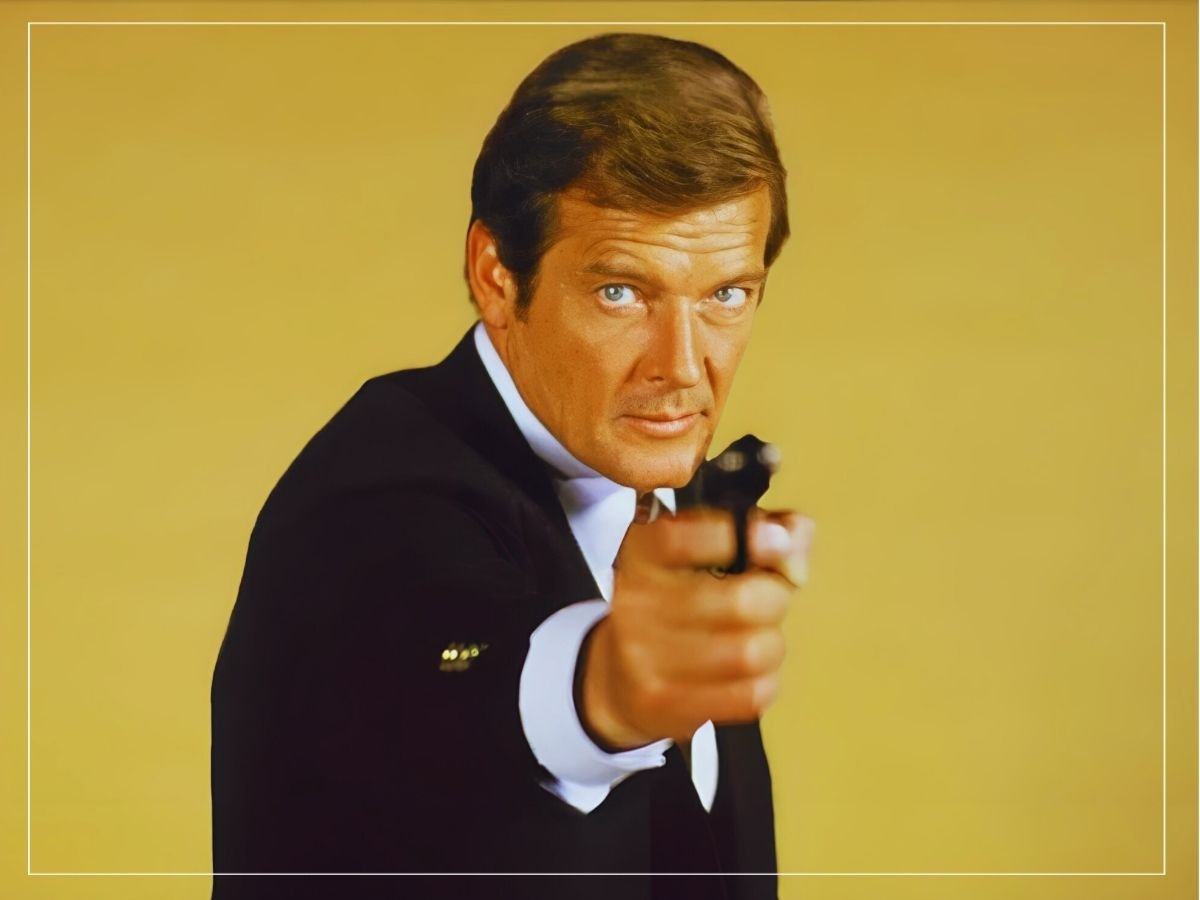
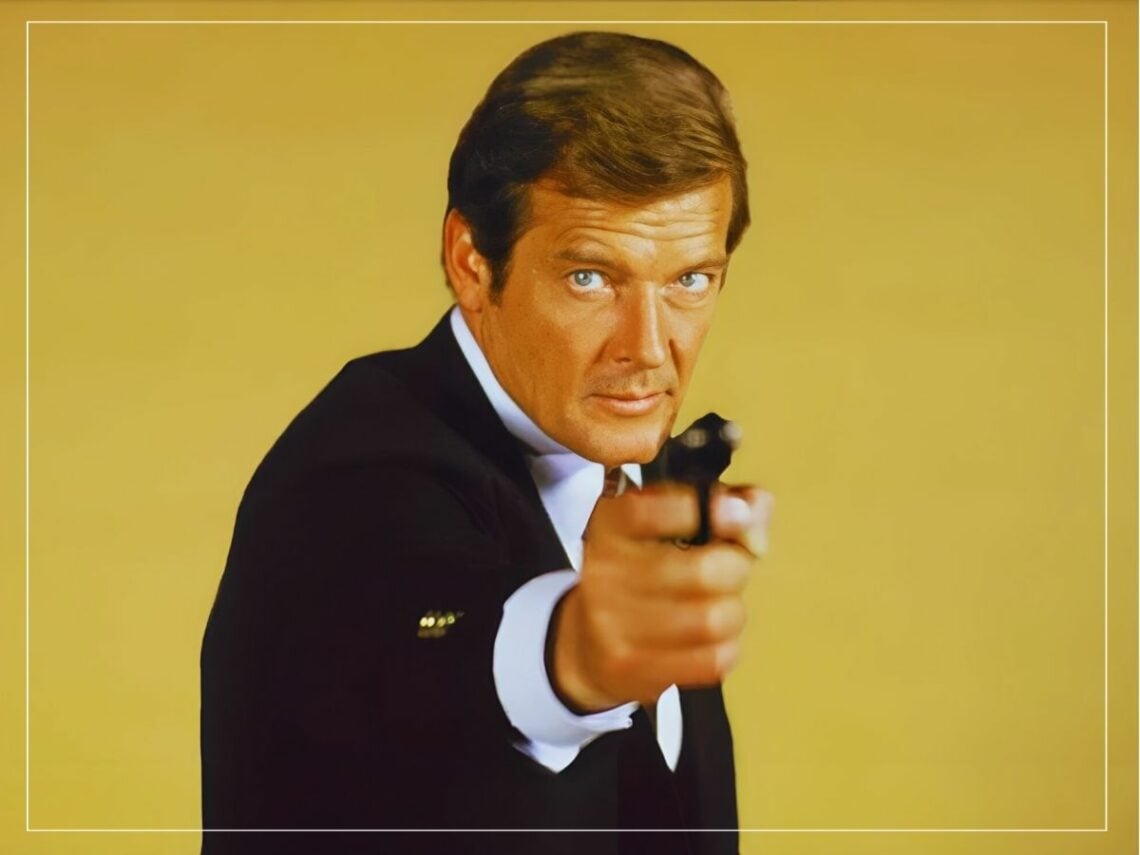
An iconic British actor, Moore is considered by some to be the quintessential of the elite group of actors who have played 007, whilst others believe he was the very worst. Appearing as Bond from 1973 to 1985, Moore was the ‘victim’ of cinema’s increasing commercial lunacy, where action heroes were considered marketable characters who could do anything whilst quipping nonsensical dialogue at the very same time.
Some of Moore’s outings as Bond, such as 1977’s The Spy Who Loved Me, were thrilling little action flicks, but others didn’t really hit the mark, being far too ludicrous and cheesy for audiences.
Playing the character for 12 years, whilst Moore was bright-eyed and bushy-tailed upon making Live and Let Die in 1973, by 1985 and A View to a Kill, he was well past his prime. The actor happily admits this, too, once stating that he felt too old to be a womanising character, being uncomfortable doing sex scenes with female actors half his age.
This wasn’t the only thing that made the actor uncomfortable either, with Moore having a great dislike for the amount of violence present in John Glen’s A View to a Kill. There was one scene in particular that he had a big issue with, strongly disliking the moment when Christopher Walken’s Max guns down his own henchman in an act of rage. Criticising the decision, he said, “That wasn’t Bond,” in his memoir My Word Is My Bond.
Despite his dislike for his final movie, Moore goes down as a quintessential part of the Bond franchise, even setting a record during the making of 1974’s Man With the Golden Gun, which saw a car do a remarkable flip through the air.
Related Topics