
(Credits: Far Out / Alamy / Capitol Records)
Fri 14 November 2025 19:00, UK
Whatever your feelings about the Memphis rock and roll icon, no one denies that Elvis Presley looms over the 20th-century pop landscape with a titanic presence.
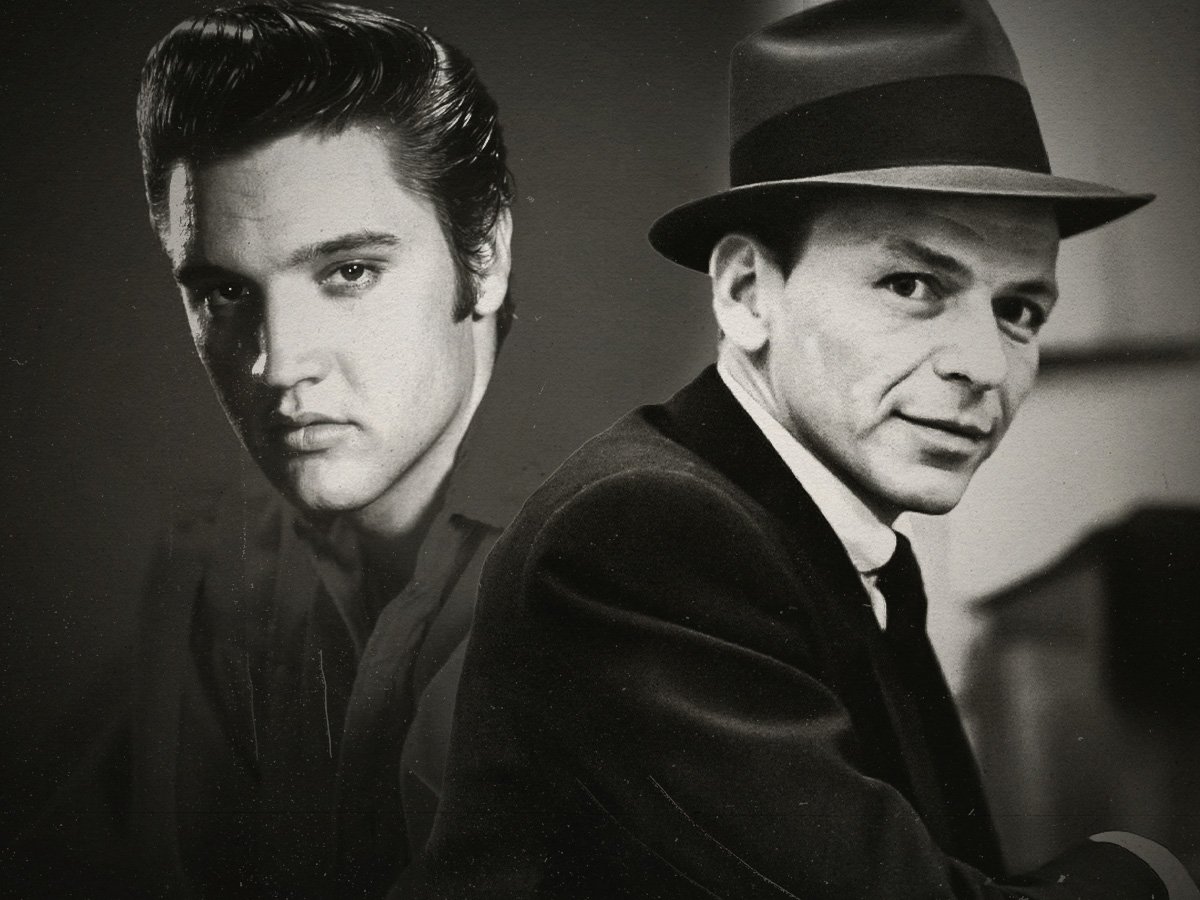
Iconic is a term too easily tossed around, but The King stands as the term’s very definition. His slicked-back, jet-black pompadour, snappy suits, and suggestive hips have endured across the great music tapestry as a symbolic insignia of rock and roll’s big bang, and, without hyperbole, will ingrain itself into the collective visual heritage as deeply as the Virgin Mary or William Shakespeare. Presley would morph into the drug-addled, Las Vegas parody by the end, but such lapses into artistic oblivion never dimmed the popular fascination with his 1950s output.
While many of music’s biggest names are happy to contribute to Presley’s near deification, plenty never saw what the fuss was. Long before Bob Vylan spat “the fucker was wack” or Chuck D fired “he never meant shit to me”, a cooler reception to The King’s legacy was held among the Black music community.
Ray Charles is on record for pointing out that Presley’s supposedly pioneering sound and moves were already well-established in the African-American gospel churchhouses, and Little Richard similarly expressed his suspicion that Presley’s whiteness propelled a trajectory to success less encumbered by the pitfalls and obstructions of racial prejudices that blighted his contemporaries.
It’s easy to forget how repellent much of the music world saw the new rock and roll mulch of R&B and blues. The cool kids were into jazz, and conservative middle America was panicked by the Black man’s stirring passions, corrupting the youth away from God and toward delinquency. Somewhere in the middle was Rat Pack leader and swing stalwart Frank Sinatra.
While never expressing racial paranoia, a firm supporter of desegregation and Civil Rights during his heyday, ‘Ol’ Blue Eyes’ still hid a Catholic conservatism underneath his political ideals, expressing objection to Presley’s rockabilly schtick’s dangerous influences.
“His kind of music is deplorable, a rancid-smelling aphrodisiac,” he once said at the time. “It fosters almost totally negative and destructive reactions in young people”.
It’s strong words for a man so identified with Vegas good times and an eager appetite for late night parties. Yet, Sinatra and his ilk enjoyed a cloak of sophistication and class that the new school of rock and roll challenged, as well as arriving like a lightning bolt youth movement that had perhaps uneased the swing singer who was already a minor veteran, cutting records since before the War. Cultural sniffiness and moralising aside, one can’t help but suspect the pangs of insecurity that come with new musical wildfires from below, still smarting from a career slump that had only just picked up again when Elvis the Pelvis first hit the charts.
Feelings warmed over the years, perhaps owing to Sinatra’s politically rightward drift in later life. “There have been many accolades uttered about Elvis’ talent and performances through the years, all of which I agree with wholeheartedly,” Sinatra reverently stated after Presley’s death in 1977. “I shall miss him dearly as a friend. He was a warm, considerate, and generous man”.
Related Topics