
(Credits: Far Out / Alamy)
Sat 15 November 2025 19:22, UK
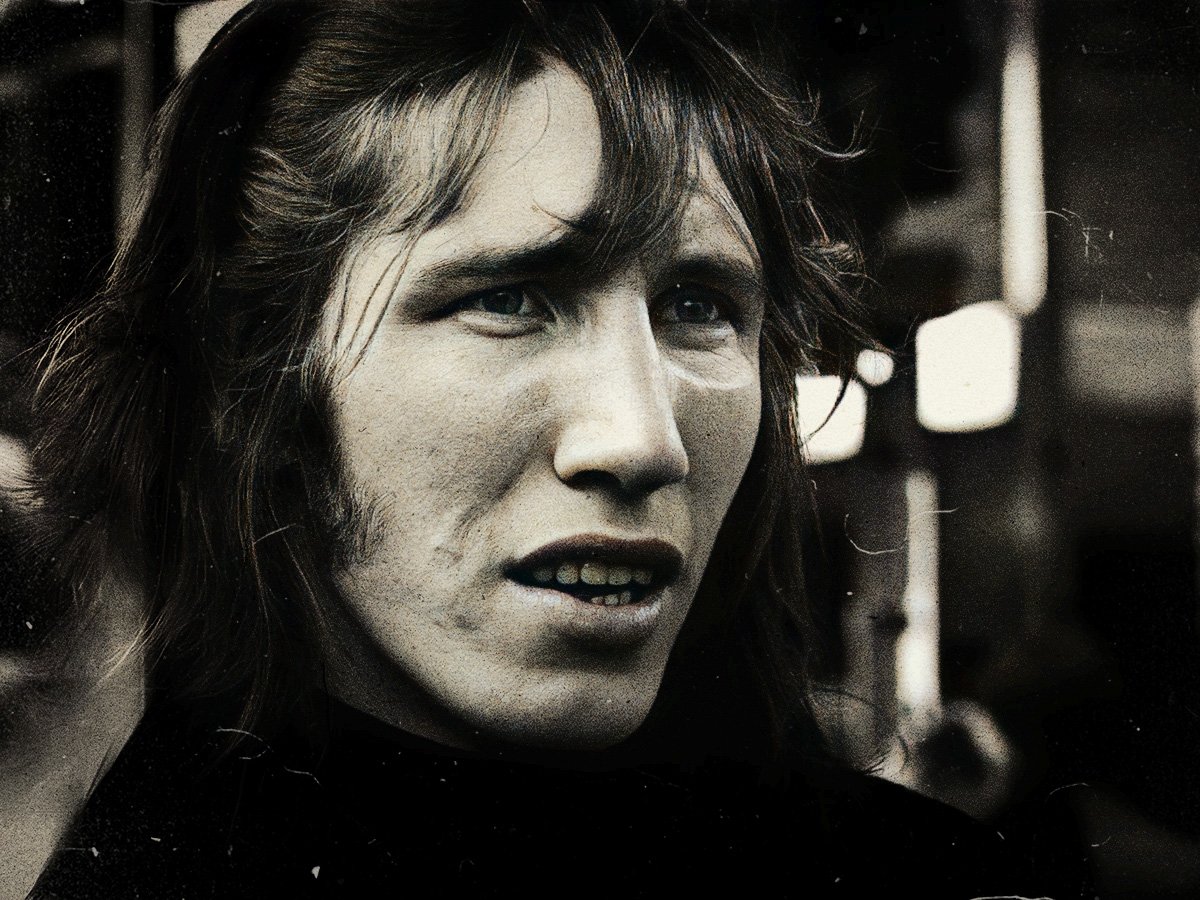
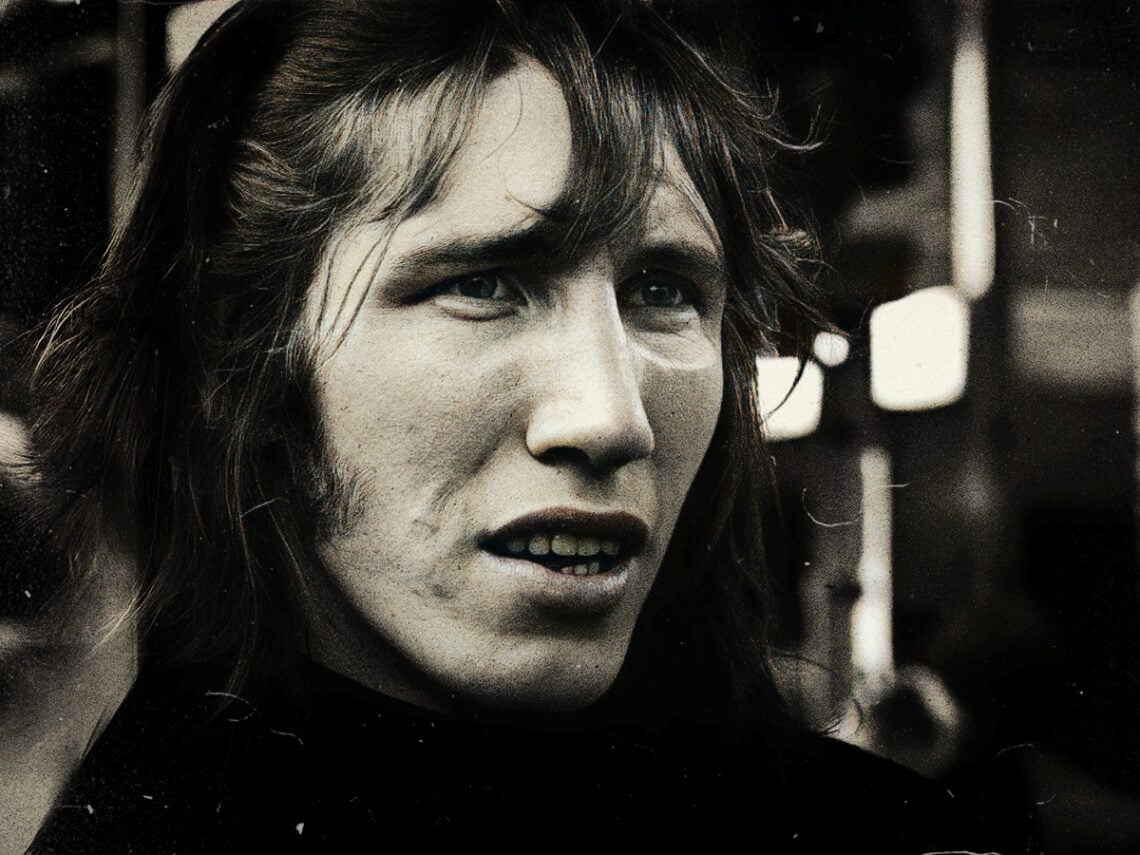
Friction was always only around the corner with Pink Floyd as Roger Waters’ unflinching character rubbed his bandmates up the wrong way. The members no longer shared a creative vision, significantly damaging Waters’ enjoyment of his final album with the group, 1982’s The Final Cut.
In the decade preceding the release of The Final Cut, Pink Floyd had been at the top of the mountain following The Dark Side of the Moon, which topped the charts in the United States. They operated wholly on their own terms, producing mind-altering albums that consistently helped redefine the album format and add new dimensions to their sound.
However, the rest of the band also became more comfortable in their ability and became desperate for a mechanism to express their artistry. Their increased demands conflicted with Waters, who was their de facto leader. Nevertheless, The Final Cut was essentially a solo album with Waters writing every song on the LP, which frustrated his Pink Floyd accomplices.
Waters penned the deeply personal album about the state of Britain under Margaret Thatcher, which he felt had let down people such as his father, who died fighting in World War II. “I kind of feel that I personally may have betrayed him, because we haven’t managed to improve things very much. That the economic cycles still over-ride everything, with the best intentions, the cycle of economic recession followed by resurgence still governs our actions,” he once said of the album’s lyrical theme.
As The Final Cut was coming from Waters’ heart, there wasn’t much room for collaboration. However, his experience in the studio was particularly sullied by David Gilmour, who he felt only contributed negative energy to the recording sessions.
 ‘The Final Cut’ album cover. (Credits: Pink Floyd)
During a Q&A on his YouTube page, Waters stated: “The last one I made was The Final Cut, which was in 1982, 40 years ago. That wasn’t much fun because all I had was what’s his name sitting in the back playing Donkey Kong and telling me what a load of crap it was. And so it was hard. Though it was great to work with James Guthrie and Michael Kamen.”
The truth is, Gilmour and Waters had reached a point in their relationship where they simply could not work together anymore. No matter how separate they tried to live and work, they would end up clashing with or, at the very least, irritating one another.
Looking back at the band’s career from The Dark Side of the Moon to The Final Cut, Waters reflected: “They were all demanding and kind of interesting because by that time I was writing, a lot, and I was really enjoying the process of writing, and recording of those songs. I don’t have a favourite.”
Waters’ vicious Donkey Kong snipe isn’t the first time he’s criticised Gilmour for his input on The Final Cut, and the latter stands by his actions. During an interview in 2000, he explained: “There were all sorts of arguments over political issues, and I didn’t share his political views. But I never, never wanted to stand in the way of him expressing the story of The Final Cut. I just didn’t think some of the music was up to it.”
The Final Cut may well be one of the band’s better efforts, but it does hold a certain resignation which will not please avid Pink Floyd fans. The album represents a moment where David Gilmour gives up the ghost and lets Roger Waters run wild.
The record was originally written to be the soundtrack to The Wall film but was given its own release after Waters realised the album’s potential. A lot of that spark came from Britain’s involvement in the Falklands War and therefore acted as a moment of global protest, something Waters would become very astute at.
Although The Final Cut was a resounding success by every metric, it proved to be the end of the road for Pink Floyd, who were incapable of functioning like a normal band. For their own sake, something had to give, and in this case, it proved to be Waters.
Related Topics