
Household energy bills are expected to drop at the start of next year but rise again in the spring, according to the consultancy Cornwall Insight.
The energy regulator, Ofgem, is expected to reduce its price cap by 1 per cent when its next update takes effect. This would result in a £22 decrease to an average bill of £1,733 a year for a typical household from January. The reduction is expected because wholesale prices are likely to fall.
Cornwall Insight said prices were likely to rise again in April by about £75 a year for an average household due to rising charges associated with the operation and maintenance of power networks.
Fear gauge up but Goldman still modestly pro-risk
Markets have recently turned broadly “risk off”, with the Vix “fear index” rising to about 23, its highest level since October, as investors brace for a series of key macroeconomic releases, Goldman Sachs economists said in a note.
The investment bank said that historically stock market volatility tended to fall towards the end of the year, but that was likely to be limited this year with the resumption of United States data after the government shutdown, concerns about labour market weakness, less Federal Bank easing and headwinds from bullish US equity positioning.
Goldman’s global equity strategists maintain modestly pro-risk positions, favouring equities and using option spreads to hedge.
Alison Rose to join FNZ’s UK board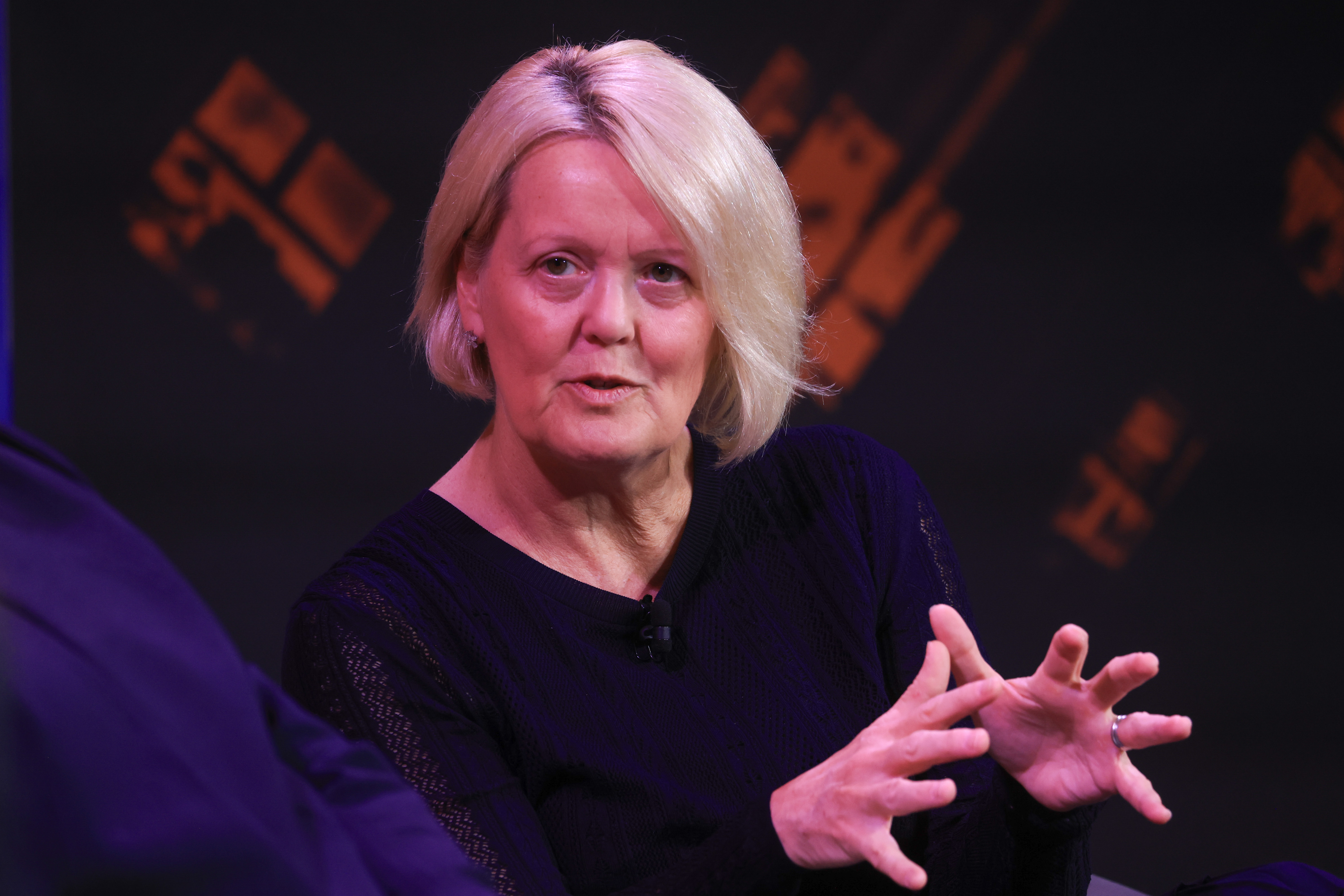
Dame Alison Rose
CHRIS RATCLIFFE/BLOOMBERG/GETTY IMAGES
Dame Alison Rose, the former chief executive of NatWest who left over the Nigel Farage debanking scandal, has been appointed chair of the UK board of wealth technology company FNZ.
Rose is chair of Mishcon de Reya and a senior partner at Charterhouse Capital Partners.
FNZ was founded in New Zealand in 2003 and is run by Blythe Masters, a British financier and former JPMorgan Chase executive who in the 1990s helped pioneer the development of credit derivatives such as the credit default swap.
Dulux maker in all-share merger with rival Axalta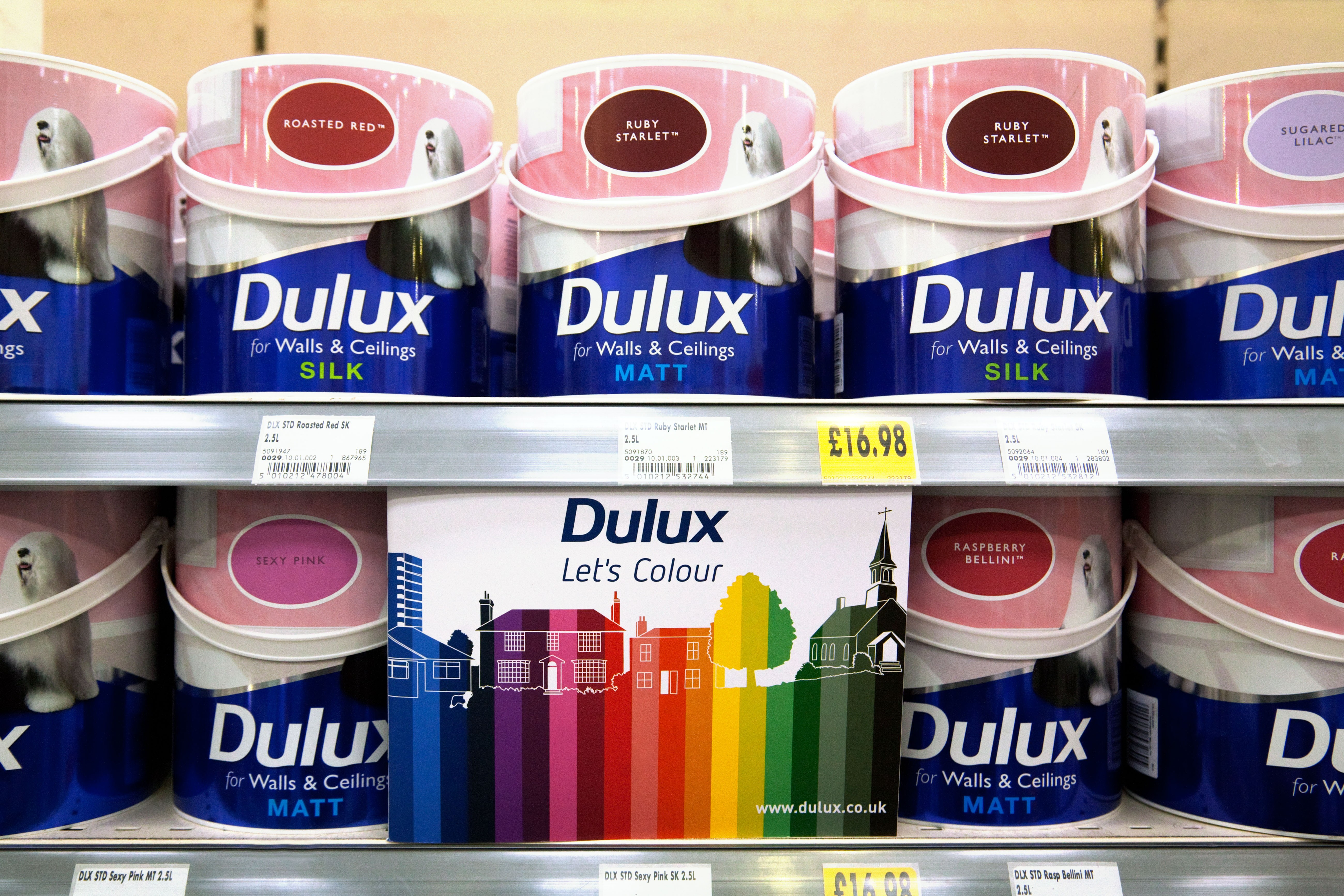
The maker of Dulux paint, Akzo Nobel, is merging with its rival Axalta Coating Systems to form a global leader in coatings with revenue of $17 billion and an enterprise value of $25 billion.
The company said that the deal would be a merger of equals that would operate in more than 160 countries, leveraging global scale and local strengths. The business is expected to save $600 million in cost synergies.
The Akzo Nobel chief executive, Greg Poux-Guillaume, will be boss of the combined company. Shares in both companies fell in early trading.
FTSE 100 joins market sell-off
London’s stock market opened down nearly 1 per cent, joining a global sell-off that began in the United States and spread to Asia and Europe as investors shunned risk.
The FTSE 100 slid 0.94 per cent, or 91 points, to 9,584.64, while the FTSE 250 dropped 1.28 per cent. Germany and France fell 1.3 per cent in early trading.
In Asia Tokyo’s Nikkei fell 3.2 per cent, South Korea’s Kospi lost 3.3 per cent and markets in China, Australia and Taiwan declined as technology stocks tumbled after Wall Street losses. Bitcoin, below $90,000, edged higher but remained down for the year.
Defensive stocks such as Imperial Brands and British American Tobacco rose, while miners led the fallers. ICG gained after Amundi took a 4.6 per cent stake.
Demand for vapes lifts Imperial Brands
RICHARD BAKER/GETTY IMAGES
The cigarette maker Imperial Brands has reported a 4.6 per cent rise in annual adjusted operating profit, narrowly beating consensus estimates, supported by higher prices of its tobacco products and growing demand for smoking alternatives such as vapes.
The company, which owns brands such as Golden Virginia, Winston and Rizla, made revenues, net of duties, of £8.3 billion for the year to the end of September, up 1.9 per cent year on year. Revenues for smoking alternatives rose by nearly 14 per cent year on year, including growing demand for oral nicotine pouches in Europe and the United States.
Cigarette sales grew by 3.7 per cent year on year, which Imperial Brands said was driven by higher prices, with the volume of sales declining.
Novo Holdings sells Convatec stake for £351m
Novo Holdings, the holding and investment company that controls the weight-loss drug maker Novo Nordisk, has sold its entire 7.8 per cent stake in the FTSE 100 woundcare company Convatec at 227p per share, raising roughly £351 million. The shares were placed with institutional investors.
Convatec is not issuing or selling any shares and will receive none of the proceeds. Goldman Sachs and Morgan Stanley acted as joint global co-ordinators for the transaction.
Companies investigated over online pricing practices
The competition regulator has opened investigations into StubHub, Viagogo, AA Driving School, BSM Driving School, Gold’s Gym, Wayfair, Appliances Direct and Marks Electrical over concerns about potentially misleading online pricing practices.
These are the first cases launched under the Competition and Markets Authority’s strengthened consumer protection powers and come after a broad review of online sales tactics. The regulator is also contacting 100 companies across 14 sectors about issues such as hidden fees and questionable discount claims.
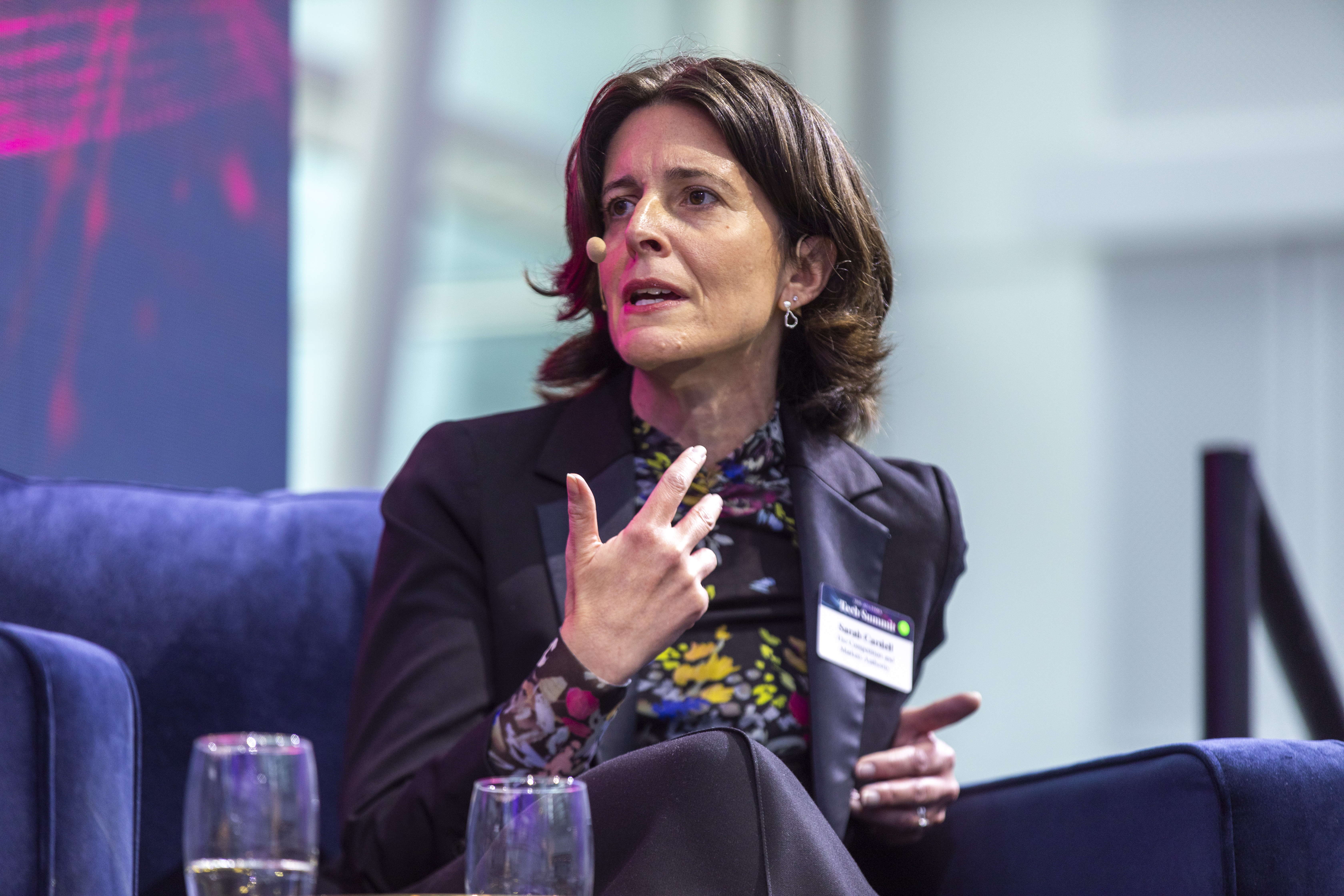
Sarah Cardell, head of the competition regulator
NAOMI GABRIELLE
CMA chief executive Sarah Cardell said shoppers must be confident that displayed prices are accurate and discounts genuine, especially during a period of tight household budgets.
The move comes as the government prepares to ban the resale of tickets for a profit as part of a crackdown on touts and resale platforms.
Budget speculation hit UK confidence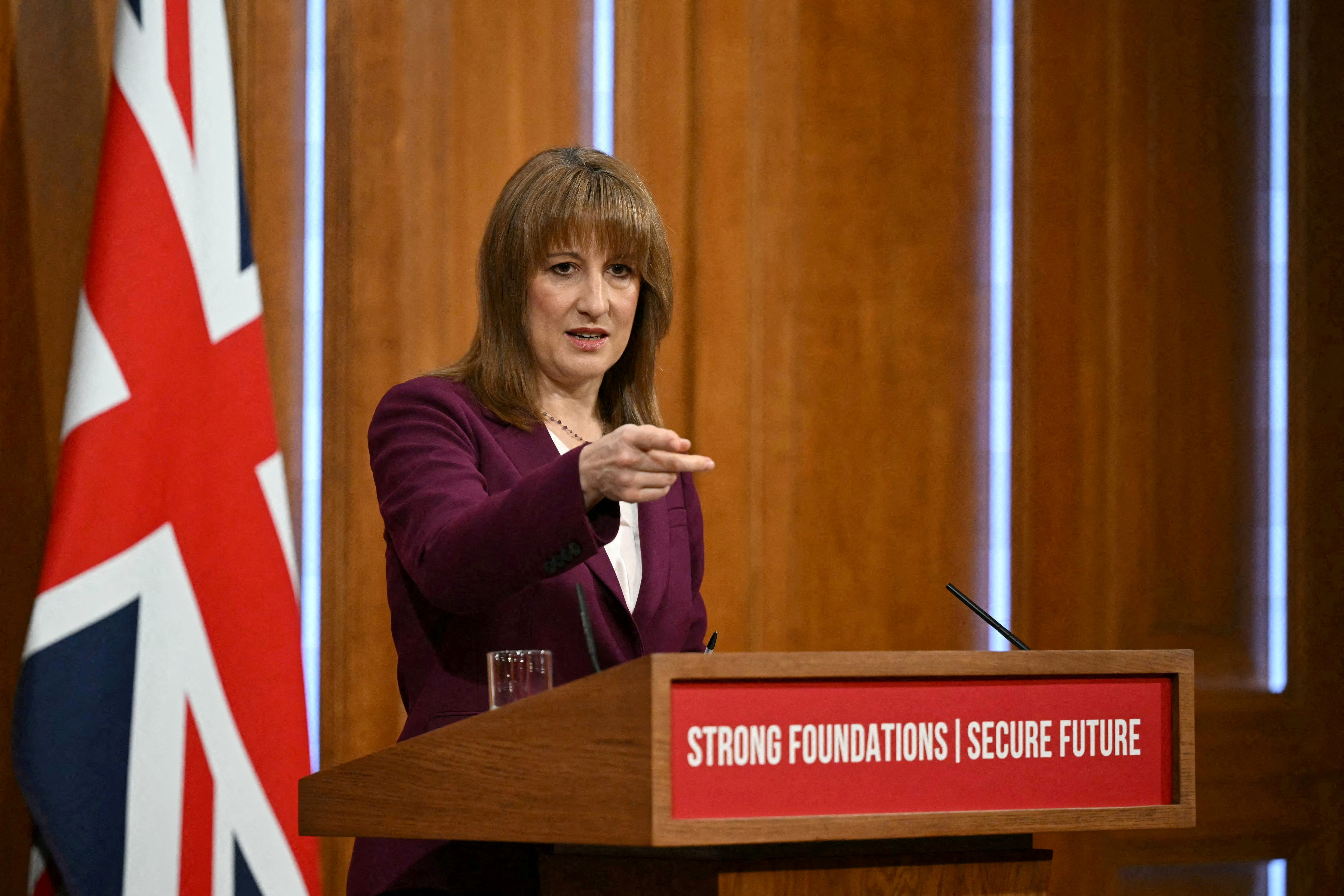
Rachel Reeves will deliver the budget next Wednesday
JUSTIN TALLIS/REUTERS
Mounting speculation over tax rises before the budget next week is hitting confidence across the British economy.
The housebuilder Crest Nicholson warned today full-year profits would come in at the “low end of, or marginally below” its forecast range of £28 million to £38 million, blaming uncertainty over government tax policy. The alert came after a similar warning from the pipemaker Genuit yesterday.
Two surveys revealed the wider fallout. Barclays reported more than half of companies in Britain had paused investment, with its business prosperity index showing bosses focused on caution and building cash buffers. S&P said household confidence had fallen to a four-month low, with “unease” of spreading.
Meanwhile, a Santander survey showed 47 per cent of businesses were considering moving operations abroad due to weak growth and potential tax hikes.
• Read in full: Rachel Reeves has played ‘a bad hand’ with budget, says top economist
We’ll all be hit if AI bubble bursts, says Alphabet boss
Sundar Pichai, the head of Alphabet, the parent company of Google
JAKUB PORZYCKI/GETTY IMAGES
The Alphabet chief executive, Sundar Pichai, has said no technology company, including its own Google, will escape the consequences if the artificial intelligence bubble were to burst.
Speaking to the BBC at Google’s California headquarters, Pichai described current AI investment as an “extraordinary moment” but warned of “irrationality” reminiscent of past tech booms.
The comments come amid concerns about soaring valuations across the sector. Alphabet’s market value has doubled in seven months to $3.5 trillion, while competitors such as Nvidia have reached record highs. Analysts have raised concerns about complex deals surrounding OpenAI and whether investment levels are sustainable.
Tech stock jitters weigh on markets
KAZUHIRO NOGI/AFP/GETTY IMAGES
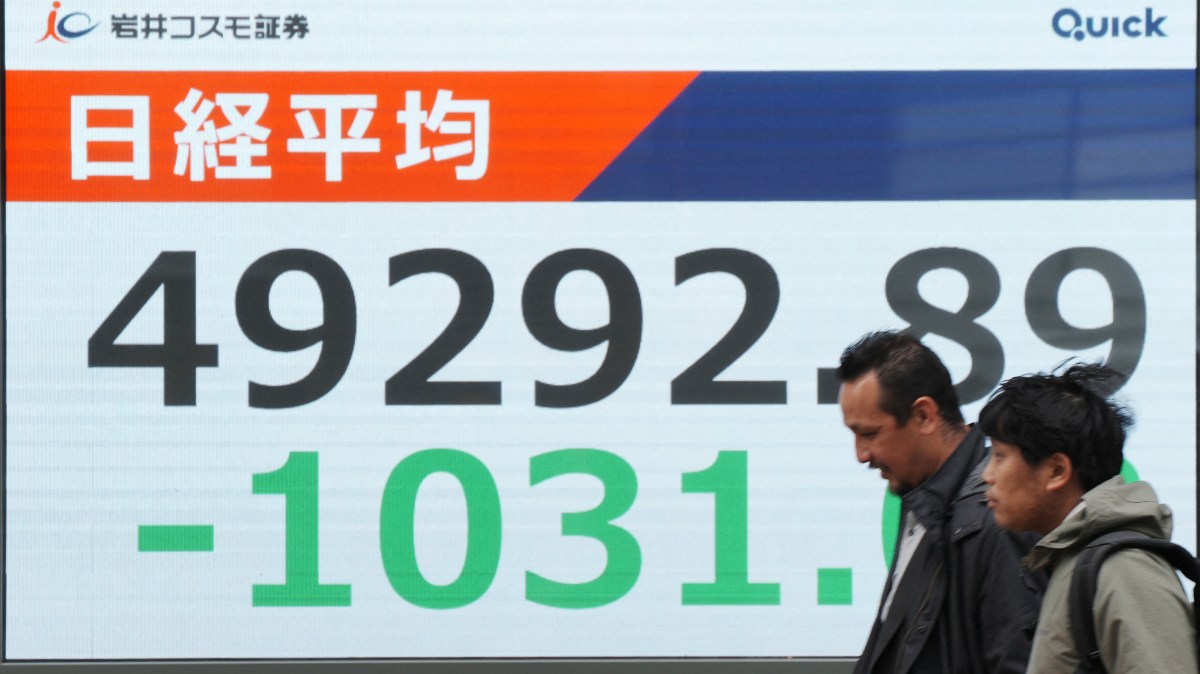
Stock markets in Asia fell as investors sold technology stocks after Wall Street’s sharp decline and bitcoin slid below $90,000 as investor appetite for risk-taking faded across financial markets.
Japan’s Nikkei 225 index dropped as much as 3.3 per cent to 48,661,52 at one stage, its lowest level since October 23 and South Korea’s Kospi was 3.2 per cent lower on concerns that tech stocks were overvalued after a strong rally this year. Markets in China, Taiwan and Australia were also lower.
Bitcoin, one of the most popular risk-sensitive cryptocurrencies, has erased all its gains this year and is now down nearly 30 per cent from a peak above $126,000 in October, down 2 per cent at $89,937. A combination of doubts about future United States interest rate cuts and the mood in broader markets, which have wobbled after a long rally, is weighing on cryptocurrencies.
US stocks ended lower yesterday, with the S&P 500 and the Nasdaq closing below a key technical indicator for the first time since late April as investors braced for quarterly results from retailers and Nvidia and awaited a long-delayed US jobs report this week.
Markets in Europe are expected to open down, with the FTSE 100 to start the day down more than 1 per cent.