
Your support helps us to tell the story
From reproductive rights to climate change to Big Tech, The Independent is on the ground when the story is developing. Whether it’s investigating the financials of Elon Musk’s pro-Trump PAC or producing our latest documentary, ‘The A Word’, which shines a light on the American women fighting for reproductive rights, we know how important it is to parse out the facts from the messaging.
At such a critical moment in US history, we need reporters on the ground. Your donation allows us to keep sending journalists to speak to both sides of the story.
The Independent is trusted by Americans across the entire political spectrum. And unlike many other quality news outlets, we choose not to lock Americans out of our reporting and analysis with paywalls. We believe quality journalism should be available to everyone, paid for by those who can afford it.
Your support makes all the difference.Read more
Wildcats could be welcomed back to parts of England following a two-year study that discovered there is now enough habitat and public support for their reintroduction.
Conservationists have determined there is sufficient woodland in the South West to support a thriving population of wildcats – with land across mid-Devon being proposed as the ideal spot for their comeback.
The vast majority of locals were supportive of the UK’s most threatened mammals being reintroduced to the area in which they once roamed. One survey by the University of Exeter found that 71 per cent of the 1,000 people surveyed in the South West liked the idea of wildcats returning.
In another survey also conducted by the university, more than four-fifths (83 per cent) of 1,425 people who responded to an online questionnaire expressed support towards their reintroduction.
Not only do wildcats pose no threat to humans, pets or lambs, but there is also little risk to other endangered animals like bats or hazel dormice. Poultry can be protected using the same measures used to keep them safe from foxes.
open image in gallery
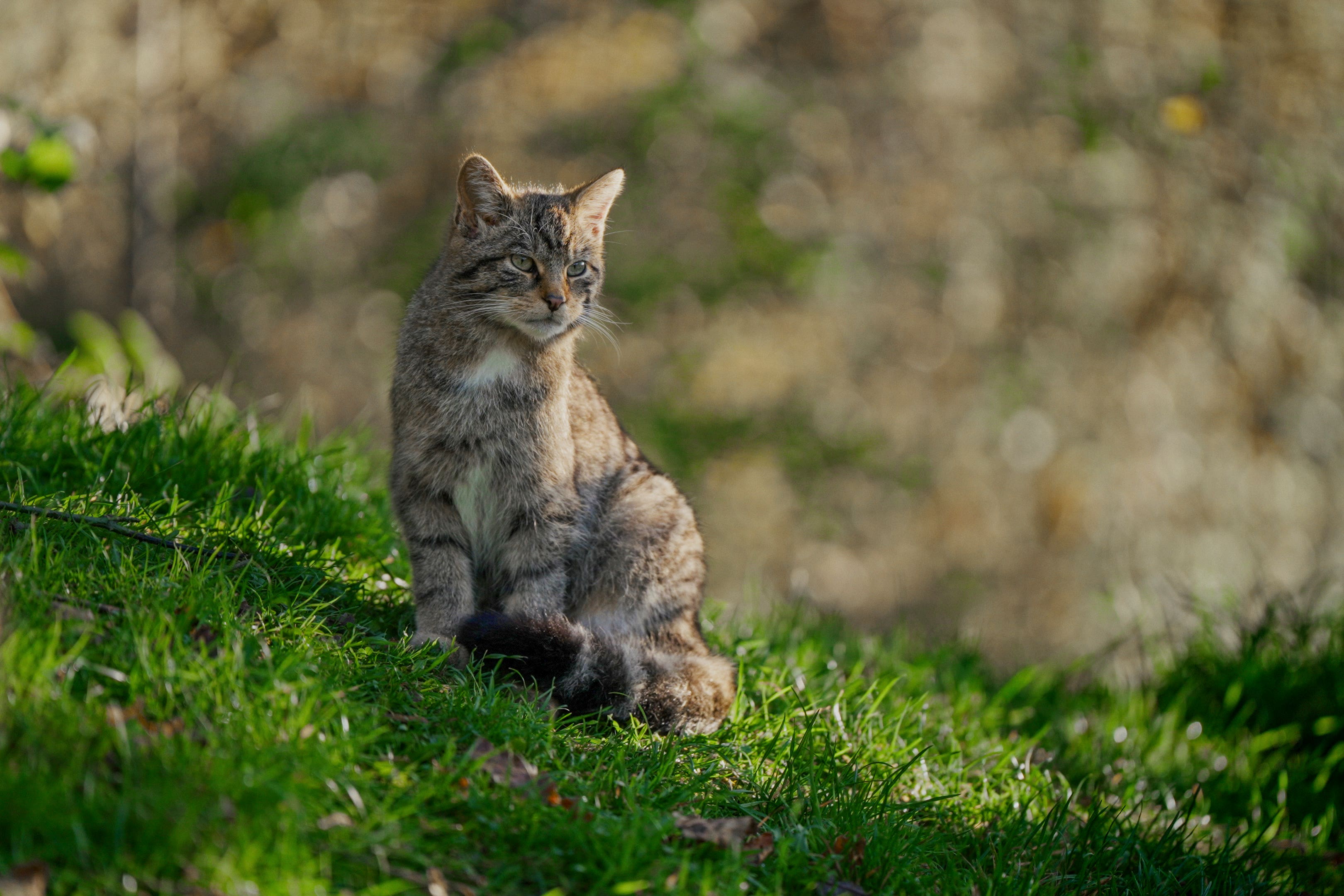
Wildcats pose no significant threats to humans, pets, lambs or fellow endangered animals such as bats or hazel dormice (The Big Picture/Saving Wildcats)
Wildcats were historically referred to as woodcats due to the association of their presence in woodlands. They were particularly dominant in the South West, with presence in Exmoor as late as the 1920s, but they disappeared due to hunting and destruction of their habitat.
Cath Jeffs, of the Devon Wildlife Trust, who leads on the South West Wildcat Project, said: “It’s exciting that this report suggests wildcats could be part of the region’s nature once again.
“The return of this critically endangered species would be another step in the restoration of our native wildlife and will help rebalance local ecosystems.
“They’re critically endangered, why should we not bring them back, they were here and the reason they’re not here is because of persecution. They are part of our natural heritage.”
A reintroduction would likely see at least 50 wildcats released over a period of time.
open image in gallery
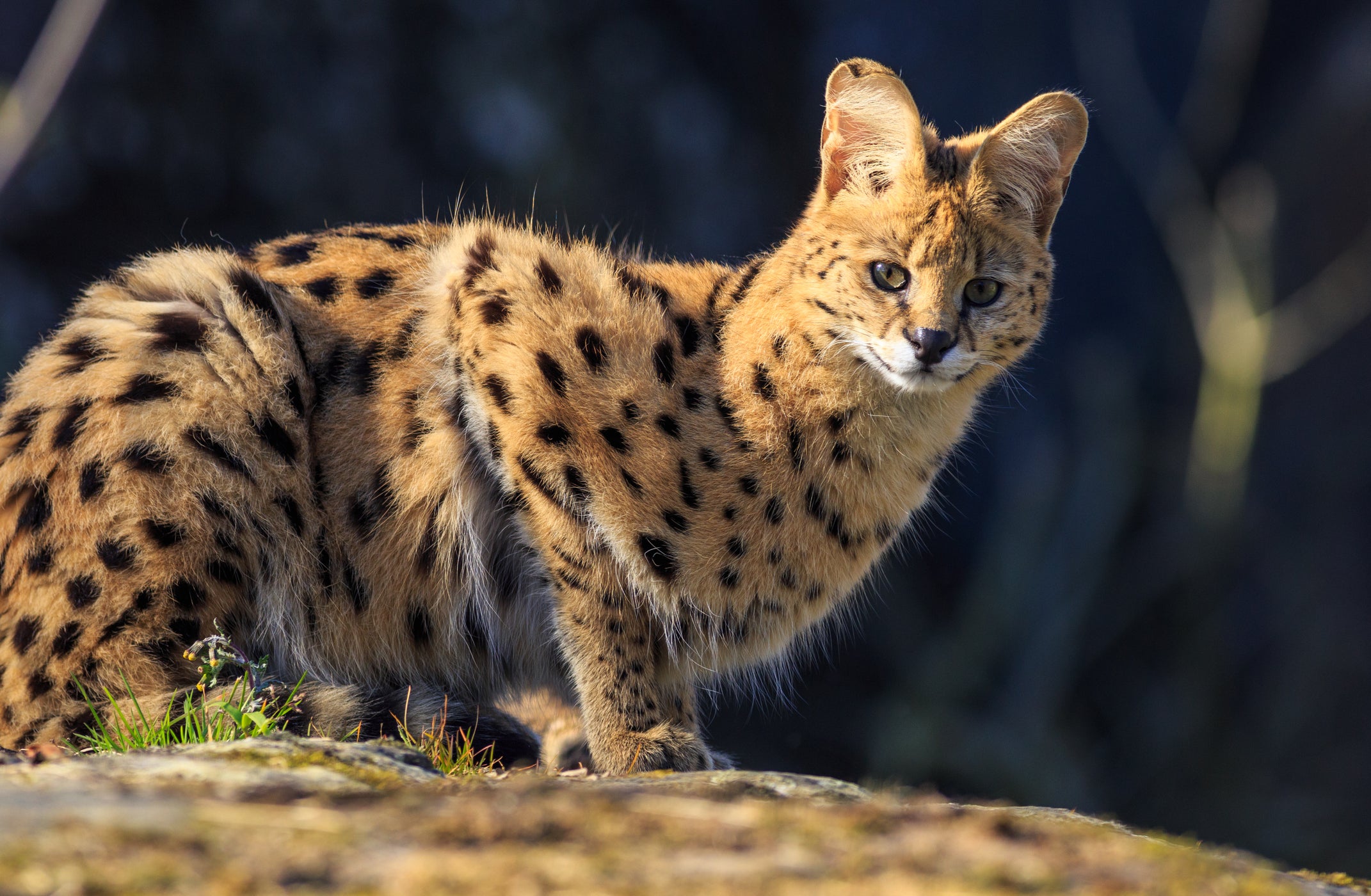
A reintroduction would likely see at least 50 wildcats released over a period of time (Getty Images)
Wildcats are Britain’s only remaining native cat species, and are “critically endangered” with as few as 115 remaining in the wild in their last refuge in the Highlands. While they look similar to the domestic tabby cat, they are much larger, stockier and have a blunt-tipped tail.
Wildcat diets concentrate on widespread, commonly found species, with 75 per cent of their prey consisting of small mammals including voles, rats, wood mice and rabbits, according to the University of Exeter’s report.
Conservationists hope they can restore the “balance” of the ecological cycle by fulfilling their role as a predator, and reducing the population of destructive animals such as non-native grey squirrels to ensure a diversity of woodland wildlife.
But Ms Jeffs explained: “A lot of work remains to be done before the first wildcats could be released in the South West.”
Conversations with stakeholders such as farmers and the shooting community would be key, she added.
There are no immediate plans to release wildcats, but Devon Wildlife Trust said its partners are committed to developing plans for a reintroduction, including securing funding for the scheme.