
From high up in the new multi-sport Optus Stadium in Perth — essentially a mini version of the Melbourne Cricket Ground — which will be humming with 60,000 supporters on Friday, it is possible to see the old Waca ground, with its brutalist floodlights rising beyond the trotting track at Gloucester Park just on the other side of the Swan river. It was there, 15 years ago, that one of the most remarkable of all Ashes careers began.
Steve Smith’s entrance into cricket’s oldest and fiercest rivalry was distinctly unpromising, coming as it did amid the debris of Australia’s faltering Ashes challenge in 2010-11. Smith was picked as a leg spinner who might add some ballast to the lower order and bring some levity to a depressing (for Australia) situation. He looked as far from Test material as any young player I had seen elevated to the Baggy Green.
No one who watched that start could have predicted what was to follow. Since then, attaining a level of greatness touched by few, he has peeled off a dozen Ashes hundreds, 11 of them in a golden period between 2013 and 2019 when he was at his very peak and when England’s bowlers, even James Anderson and Stuart Broad, had no answer to his idiosyncratic movements at the crease, his deep hunger for runs and his ability to problem-solve.

Smith’s Test career began at the Waca, which is situated across the Swan river from the Optus Stadium in Perth
PAUL KANE/GETTY IMAGES
Only Kumar Sangakkara, of batsmen to pass 10,000 Test runs — the elite of the elite, in other words — has a better average than Smith’s 56.02, which is the same as his average in Ashes cricket. That average, though, has come down from Everest levels in the past three years, a period during which his returns have been merely excellent, rather than superhuman. Between 2016 and 2022, he maintained an average in the 60s, which has dropped a little since.
A year ago, observers here began to wonder how long Smith might play for. He was spending increasing amounts of time in New York and a brief stint opening the batting did not go well. Yet any signs of decline have receded again: between December 2024 and February 2025 he hit four Test hundreds. He has used a personal trainer in New York to get in the best physical shape of his life, sorting out his troublesome hips in particular, and on his belated return to domestic cricket at the start of this summer he hit the ground running, making a hundred against Queensland and a pair of fifties on a tricky pitch against Victoria when no other New South Welshman passed 30 in the game.
At 36 years old, then, with a storied past and uncertain future, his situation is fascinating and analogous to Australia’s more generally and it gets to the heart of this Ashes series: is he, are they, past their best; or, even if they are a notch down from their peak, is that still good enough to win and to summon up one more bit of magic before the inevitable break-up of a fine team arrives? Smith’s readiness and his performance in the opening Test at Perth, on what promises to be the quickest pitch of the series, should offer us some clues.
Ricky Ponting has often said that batsmen do not get better after 33 years old. Reactions, drive, hunger and desire all slip with time. There has been the odd exception — Graham Gooch springs to mind — but those exceptions come when batsmen use their age, wisdom and experience to reach the level they ought to have done in their prime. Gooch was exceptionally driven as he approached his forties, because he felt he had not done himself justice earlier on.
Smith has already climbed his mountain top and it would be wholly unrealistic to expect him to reach those heights again. He made 687 runs in the 2017-18 Ashes and a remarkable 774 runs (in four matches) in 2019. In 2021-22 he was relatively unproductive, with 244 runs; he made 373 runs last time out in 2023. If England can keep him to those 2021-22 levels again, it will go a long way to help them regain the Ashes.
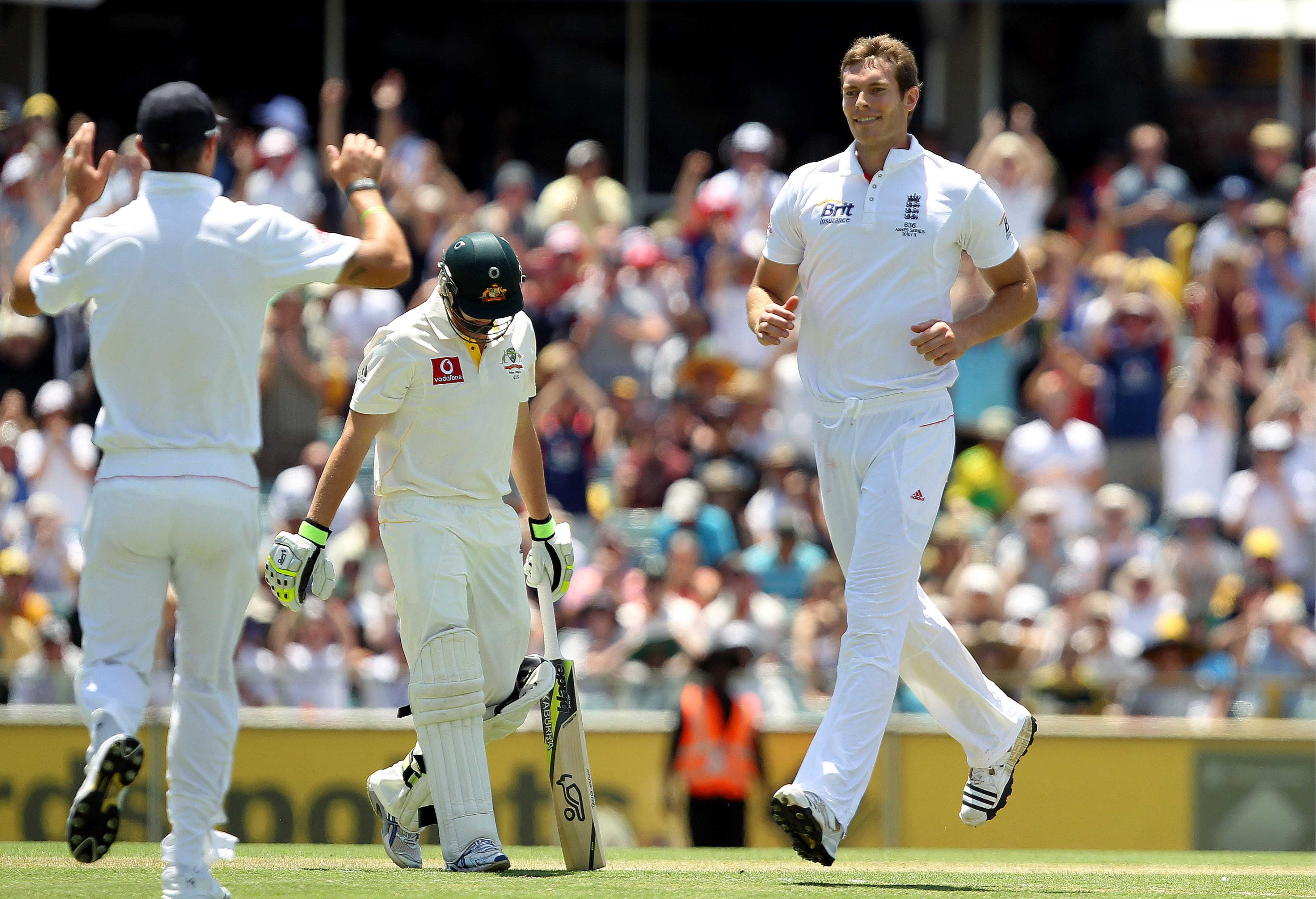
Since a tough start to life in Test cricket, Smith, here having been dismissed by Tremlett, right, twice in the third Test in 2010-11, has been an essential part of this Australian side’s success
ACTION IMAGES – REUTERS
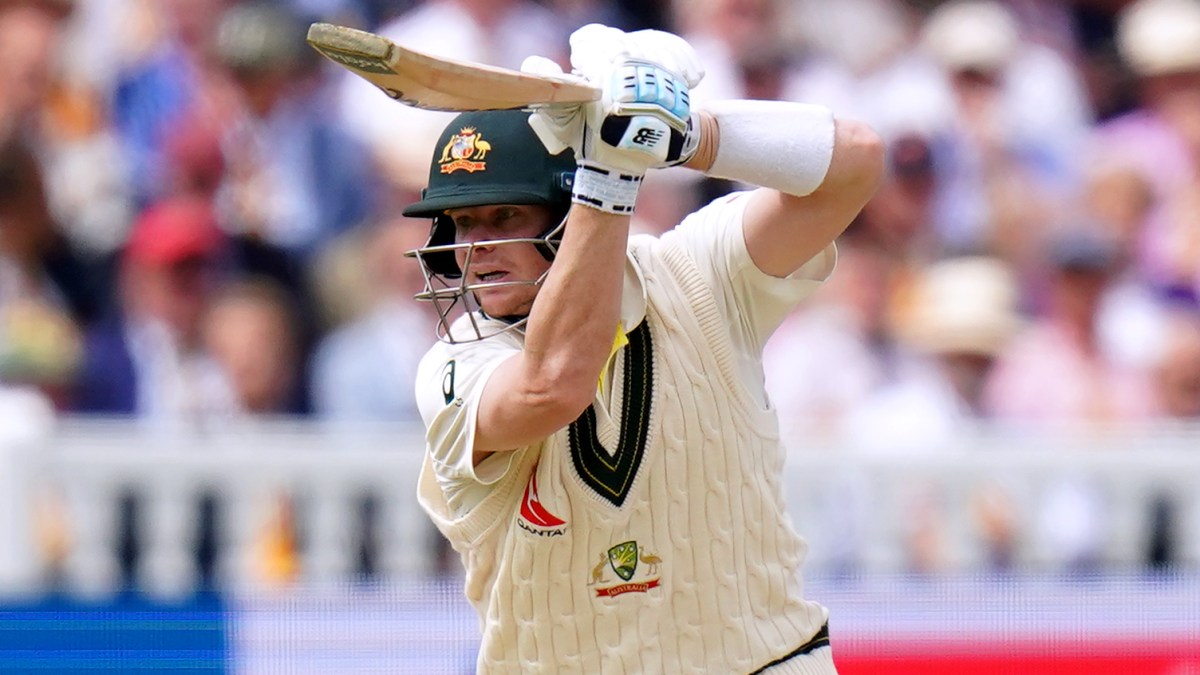
It is a slightly different version of Smith that England will see this time. While his technique is often a fluid one, and open to change from game to game, his trademark trigger movements were noticeably smaller in the nets on Tuesday. Some of the obsessiveness that characterised his game has softened, too: after the conclusion of the Champions Trophy, when he stepped away from ODI cricket, he did not pick up a bat for three months — not even to shadow bat in front of the mirror. That would have been unthinkable once.
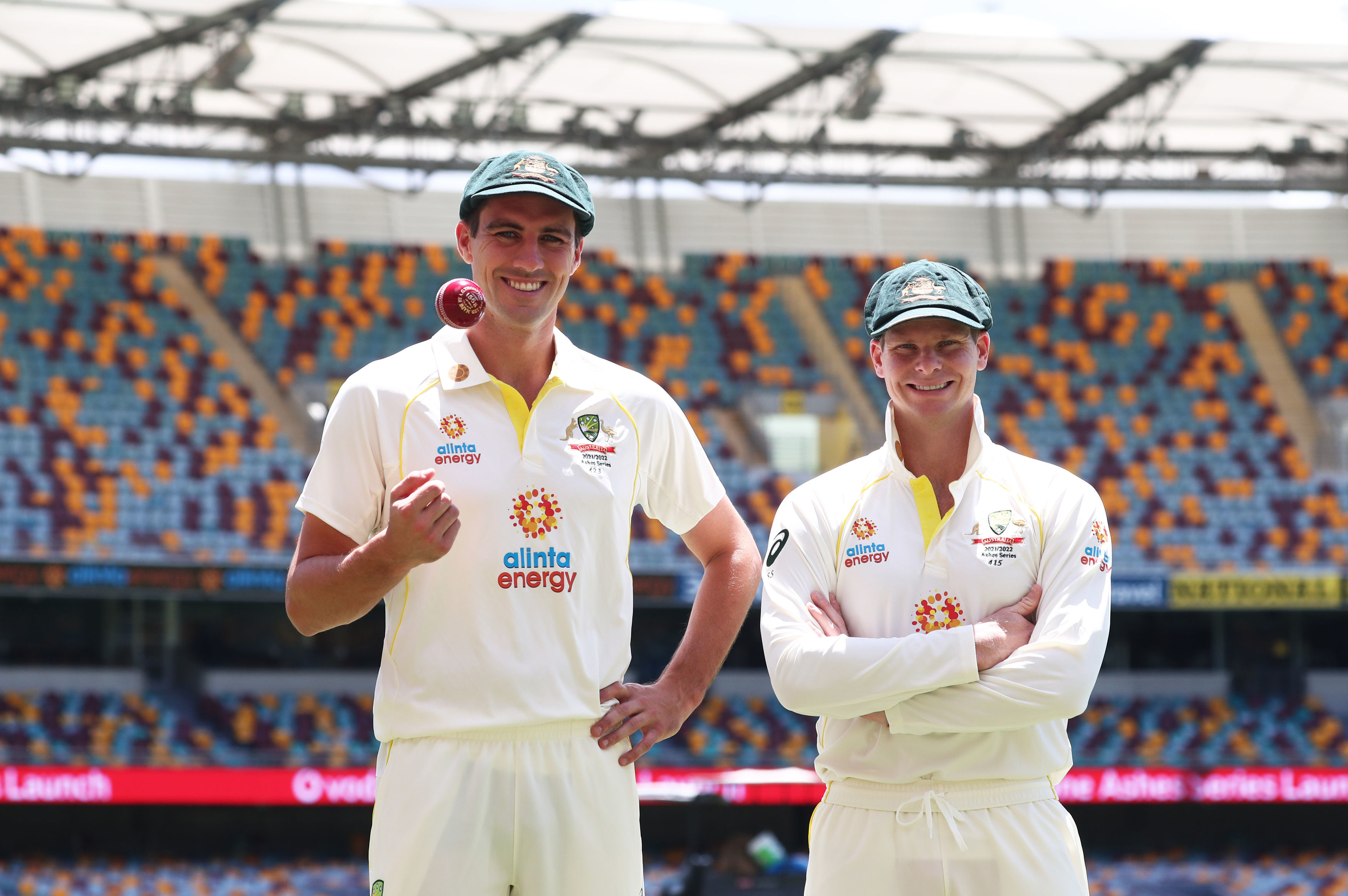
Smith, right, will captain Australia in the absence of Cummins, who has a back injury
JASON O’BRIEN/PA
Whether this tilt towards prioritising mental freshness over obsessive practice will benefit him in this series remains to be seen. In the past, he has admitted to having trouble sleeping during Test matches, and so his returns have sometimes dropped off in the fourth innings of a match, and towards the end of a series. Smith has certainly benefited from the captaincy in the past: in 40 matches as captain, he averages just shy of 70 and Australia have been noticeably successful under his leadership of late when he has stood in for Pat Cummins.
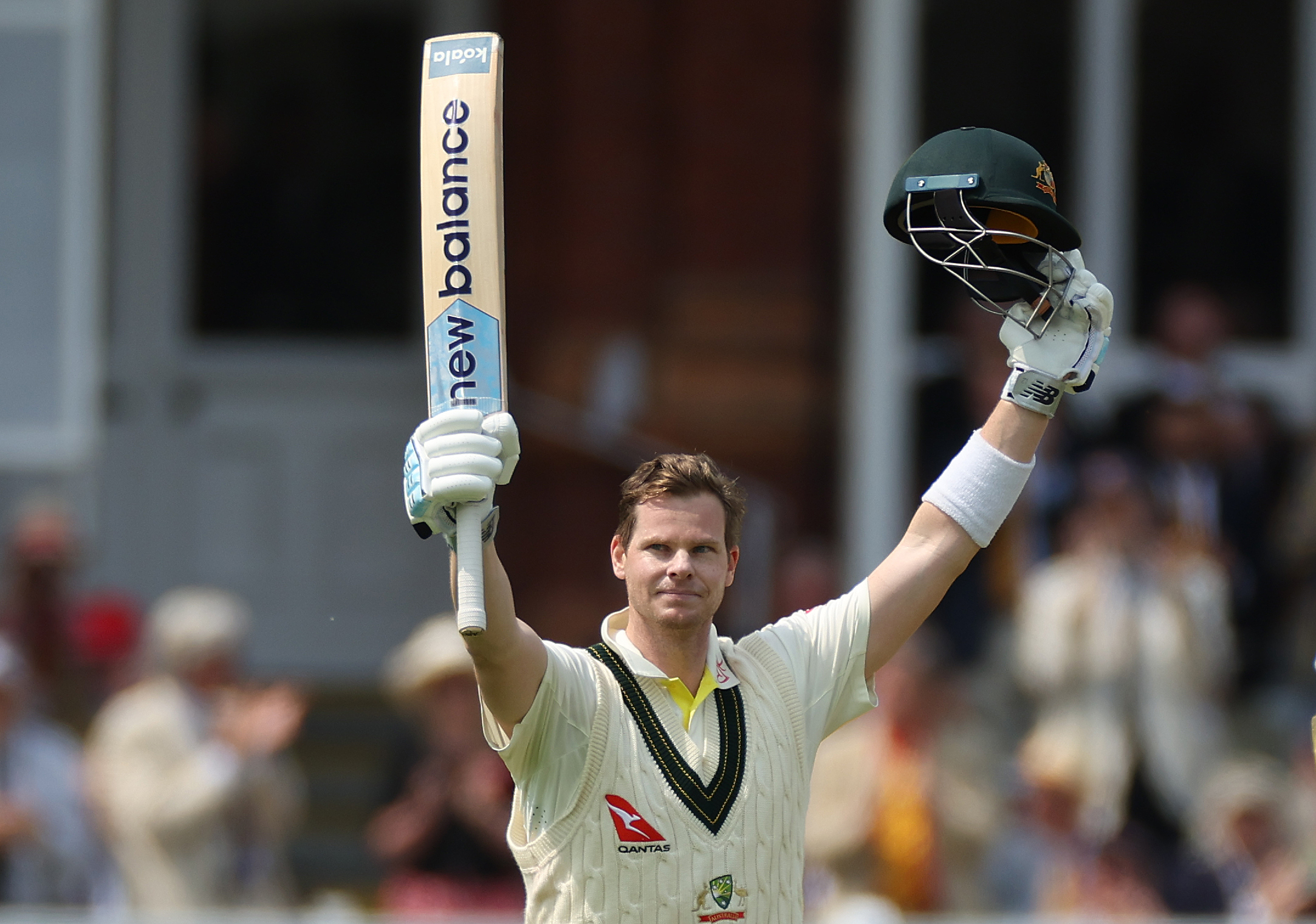
Smith made a century at Lord’s in 2023, helping Australia to a 43-run victory in the second Test
TIMES PHOTOGRAPHER MARC ASPLAND
In the absence of Cummins, Smith once again looms as a central figure in this Test and these Ashes and as a lodestar for Australia. How England’s fast bowlers go at him will be fascinating: some teams like to keep the ball off his pads, but in his mid-thirties it is likely he will miss the occasional ball, so a straighter line from a knee-roll length that will challenge the stumps could pay dividends, once there is fielding cover on the leg side.
Mark Wood, one of the few to emerge with credit on England’s previous Ashes tour and whose rapid pace and immediate impact in the 2023 Ashes will not have been forgotten, bowled at full throttle in the nets on Tuesday and, barring any setbacks, it appears that England will look to throw everything at Smith and Australia from the off, as they should. The result of the battle between what would be one of the fastest attacks England have ever put on the park and Smith, one of the all-time greats, will be an early pointer to the outcome.