
One in four top-rate taxpayers are cutting back on luxuries such as holidays and home improvements while a third are going out less, according to The Times Wealth Survey.
Some 25 per cent of those earning over £125,000 said they had spent less on holidays and home improvements than usual in the past year while 32 per cent were reducing spending on entertainment and going out.
About one in five said they had cut back on technology and clothes and were spending less on groceries.
Despite this, over half in the top income bracket reported spending more on holidays and groceries while roughly a third said they were splashing out more on technology, home improvements and going out.
Times Money worked with YouGov to question more than 4,000 adults for our first ever Wealth Survey. Earlier this week, we revealed that three-quarters of top-rate taxpayers — those who earn more than £125,000 a year — did not consider themselves rich.
Across the board, the research found that 49 per cent of households said they had reduced their spending on clothes; the same proportion had cut spending on entertainment and going out; 40 per cent spent less on holidays and 38 per cent on home improvements.
Andrew Goodwin from the consultancy Oxford Economics said a sluggish economy was making people anxious about spending. He said: “Consumer spending accounts for more than 60 per cent of GDP, so it plays a central role in the wider economy.
• Most of Britain’s top earners ‘don’t feel rich’
“Consumer spending power has recovered strongly over the past 18 months, reflecting strong pay growth and lower inflation. But the recovery in spending has lagged well behind because consumers have been so cautious.”
‘We’re weighing up the cost of holidays’
Richard and Clare Stacey are counting the cost of upsizing and renovating their house, which means that replacing their 18-year-old car has been put on hold.
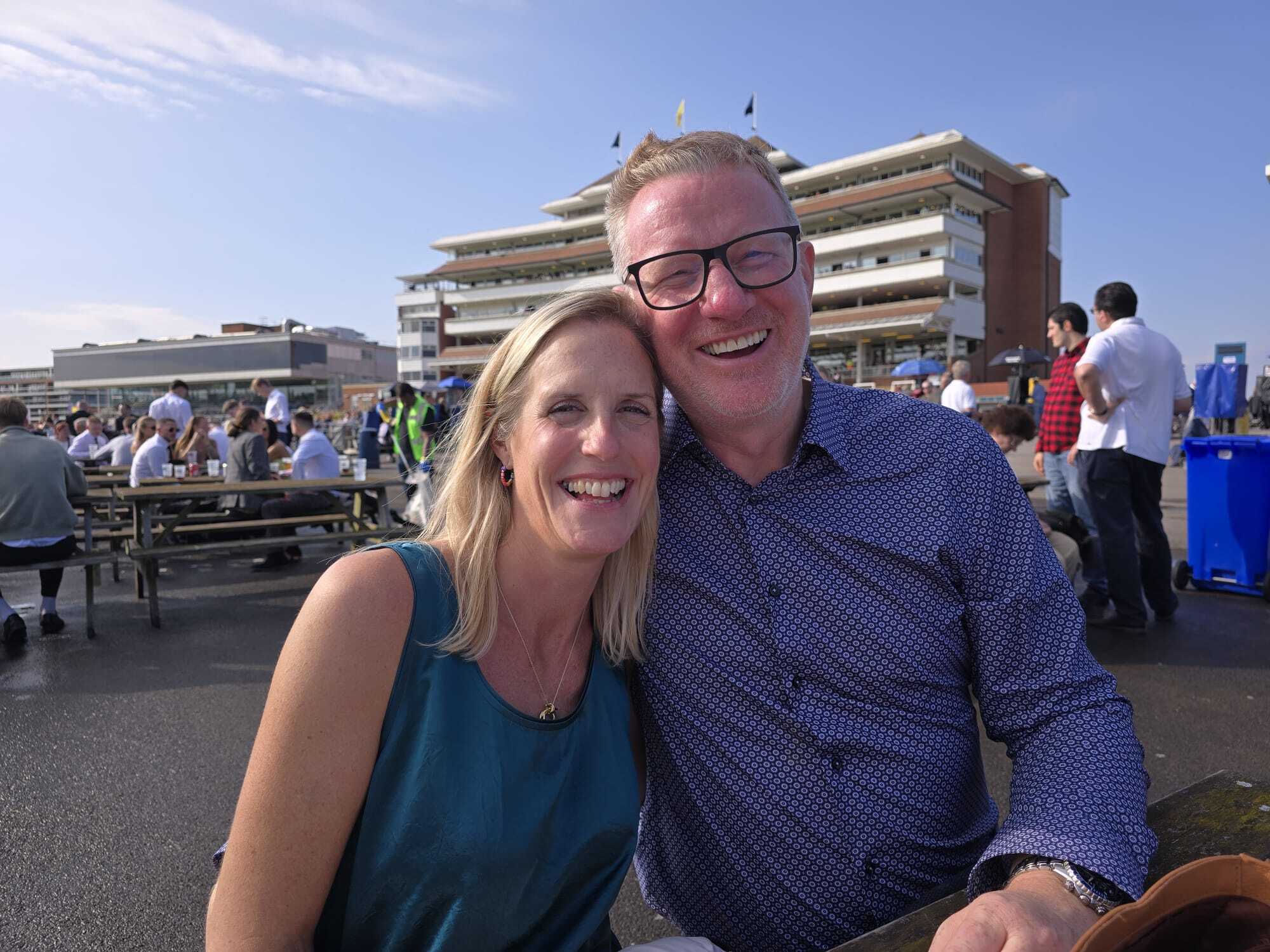
Richard and Clare Stacey: “We’re in for a couple of years of pain, cost of living-wise.”
The couple, aged 57 and 47, who live in Newbury, Berkshire, moved from a three-bedroom to a four-bedroom house last year, to have more space for their children, aged 12 and 7.
The cost of moving and building work has caused them to think much harder about their spending, which has put paid to plans to swap their X-Type Jaguar estate for an electric car. This hasn’t been helped by reports that the government could start to charge electric car owners based on their mileage to offset the fact that they do not pay fuel duty.
Richard, who owns a transport planning consultancy, said: “We’re giving much more thought to weighing up the cost of holidays against doing work on the house. The cost of everything means you have to give things a lot more thought than you used to.
• What it takes to be well-off in Britain today
“We’re in for a couple of years of pain, cost of living-wise. I think there will be cutbacks even if there’s hopefully not a return to austerity, and I expect tax increases. I don’t think there’s going to be much good news.”
Stephen Lester, 76, said he and his wife, Gaye, 76, have swapped annual trips abroad for breaks within the UK to save money, and pay far more attention to supermarket prices than they used to.
“I’m very financially orientated,” said Lester, from Edgware, northwest London. “I track my income and spending every month, so it became clear quite quickly that I was able to save much less than before.”
Lester also put off buying a new car last year. He said: “It just wasn’t justifiable. As costs were rising everywhere, we started delaying buying expensive items.”
Matt Swannell from the economic forecaster the EY Item Club said: “The lasting effects of the pandemic on consumer attitudes and habits, and ongoing concerns about inflation have seen households save rather than spend much of their increases in real income.”