

Ministers will exempt the holders of Wimbledon debentures from strict new rules on reselling live event tickets.
The exemption will mean that the debenture holders will continue to be able to sell their seats at the championships for tens of thousands of pounds.
The Department for Media, Culture and Sport (DCMS) announced on Wednesday a crackdown on the reselling of tickets above face value in a move designed to stop ticket touts and regulate resale platforms.
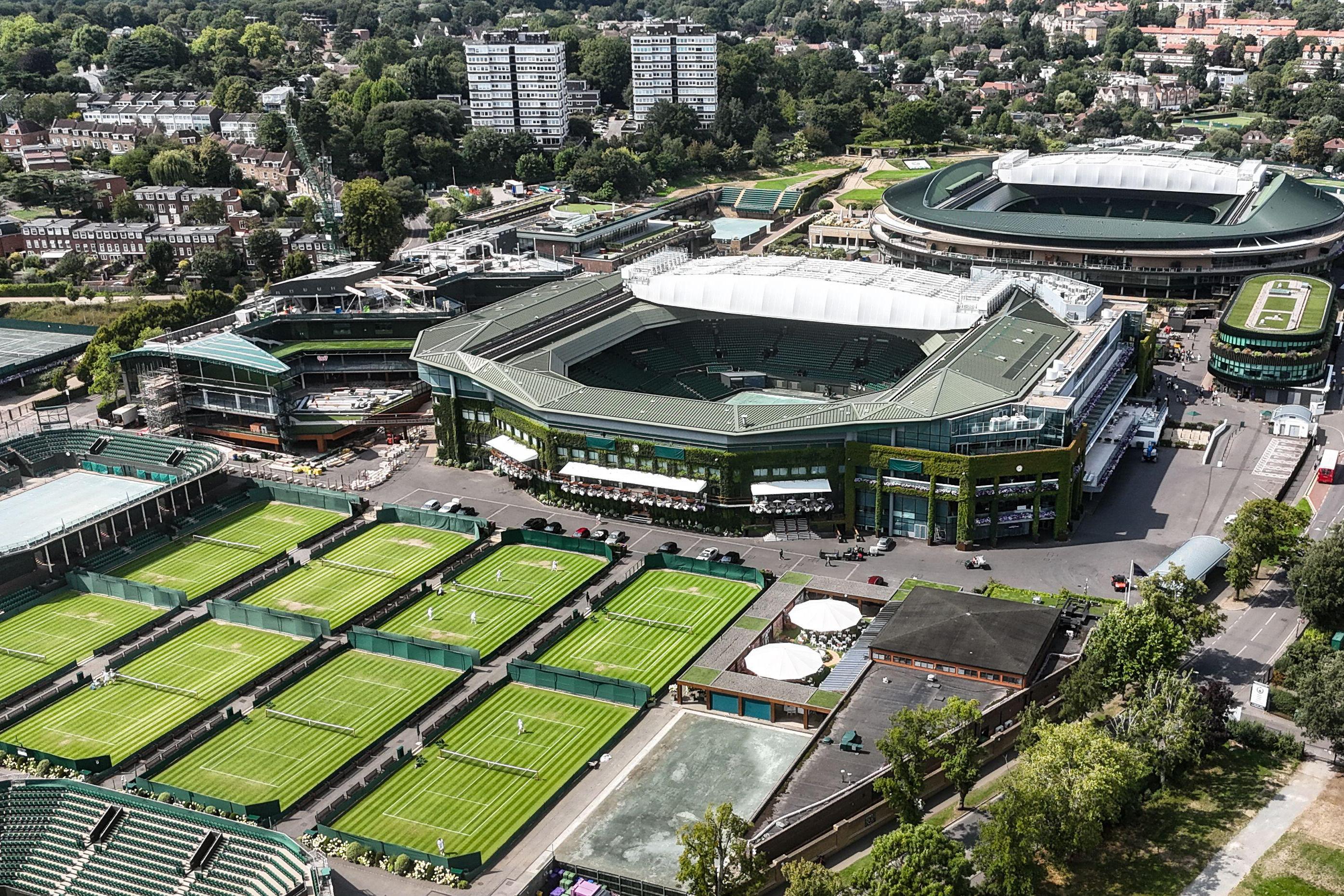
The All England Lawn Tennis and Croquet Club said debentures are vital for the Wimbledon Championships
ALAMY
However, Wimbledon’s lucrative debentures are set to be exempt from the new rules after ministers acknowledged that the schemes “operate very differently from one-off events tickets”. The new measures require primary legislation and will be included in next year’s King’s speech.
The debentures give the holders a guaranteed seat at the Wimbledon Championships for up to five years. In April, Wimbledon said that an issuance of up to 1,250 No 1 Court debentures was oversubscribed at £73,000 each. Last year, 2,520 Centre Court debentures were priced at £116,000 each, up from £80,000 each in the previous issuance.
The holders are allowed to sell the ticket at whatever price or mark-up they like on the secondary market. The practice means that holders can recoup some of the cost, or even turn a profit.
However, the practice has previously come under fire after reports emerged of tickets for early days in the championships being sold for £9,000 a ticket. Men’s finals tickets have been sold for £40,000 a pair.
• The bad economics of the government’s war on ticket touts
The All England Lawn Tennis and Croquet Club said that debentures are vital to the running of the championships and make up just 10 per cent of their ticket sale portfolio. They said that costs from the sales help subsidise other tickets, such as £30 ground passes.
All profits the club makes are reinvested into its facilities or given to the Lawn Tennis Association. It had argued that a price cap on the resale of its debenture seats would be “extremely damaging” because it would reduce demand for the issuance of the debentures.
It says that they have previously helped fund infrastructure such as the retractable roofs on Centre Court and No 1 Court. The club has raised more than £500 million in the last ten years from selling debenture seats, which are regulated as financial instruments by the Financial Conduct Authority.
The response to the consultation on reselling live tickets was published by the DCMS on Wednesday evening. It said that there would be two “narrow exemptions”: debentures and tickets sold for charitable purposes. It said that the latter would enable “tickets to be resold by registered charities in excess of the price cap for fundraising purposes, where authorised by the event organiser”.
• Banning ticket resales is like banning flu — we can all get behind it
It said that the type of debentures offered by All England Club “operate very differently from one-off events tickets (they are financial instruments) and allow live events businesses to generate secure, upfront revenue that can be invested in bringing world-class sporting, music and other live events to the public”.
Sources said that it was too early to say which other debenture schemes could be exempt and that the details will be confirmed during the legislative process. Lord’s Cricket Ground and Twickenham rugby stadium are understood not to require exemptions because organisers do not allow them to be resold above face value.
Announcing the outcome of the consultation, Lisa Nandy, the culture secretary, said: “For too long, ticket touts have ripped off fans, using bots to snap up batches of tickets and resell them at sky-high prices. They’ve become a shadow industry on resale sites, acting without consequence.
“Our new proposals will shut down the touts’ racket and make world-class music, comedy, theatre and sport affordable for everyone.”
Wimbledon also operates a ballot system for general tickets but has strict conditions that ban their unauthorised resale, which sources said helped their case on the debentures.