
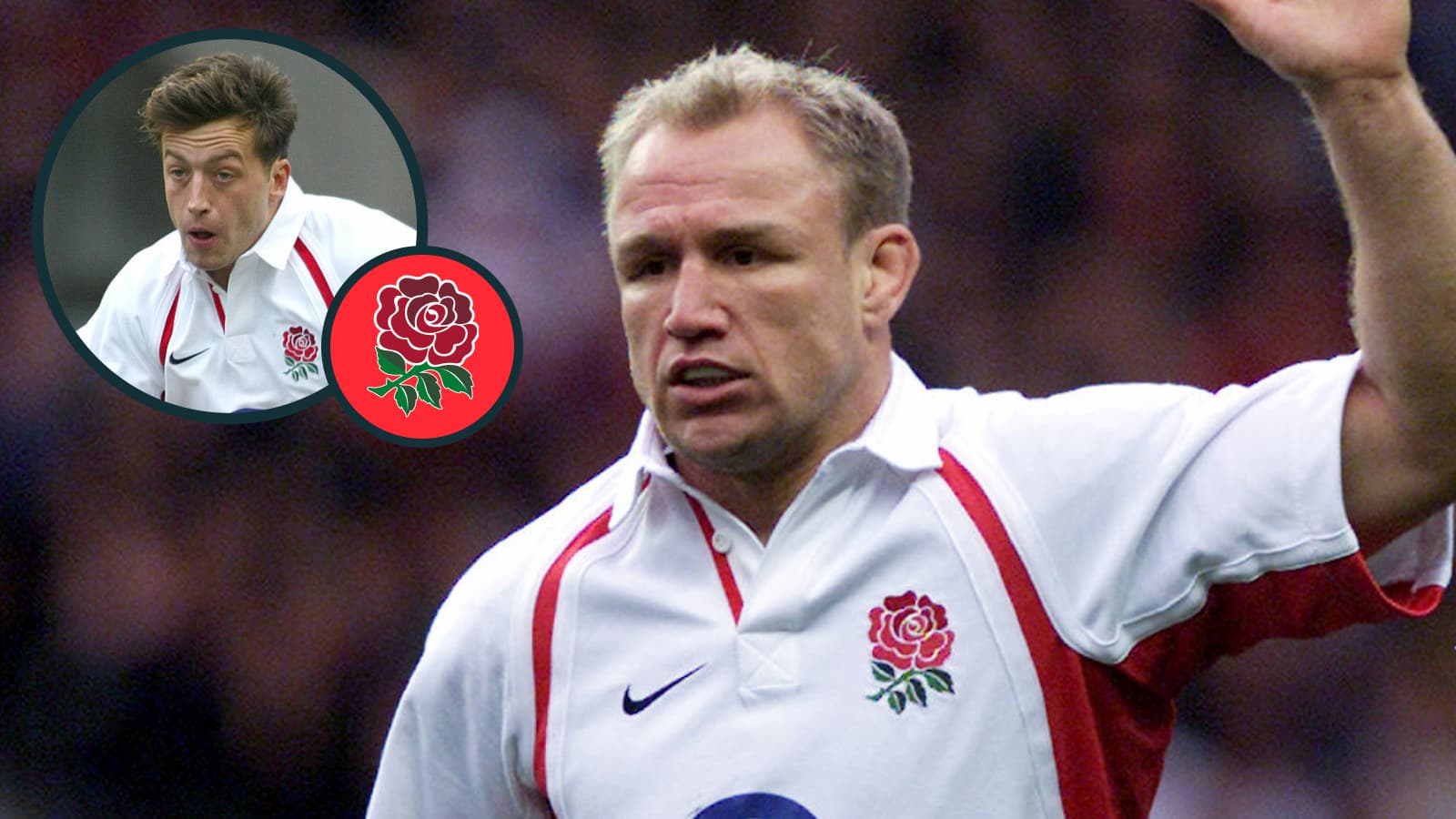
Steve Borthwick’s England team should spare a thought for Martin Johnson and the most celebrated players to wear the Rose when they play Argentina at Twickenham on Sunday.
25 years ago almost to the day this fixture was threatened with cancellation after Johnson’s squad went on strike over pay in response to an RFU proposal to reduce the guaranteed match fee and increase the bonus for winning.
“There’s a point of principle at stake,” Johnson said at the time. “It is our livelihood. None of us, when we finish, will be in the position that a lot of footballers are where we never have to work again.”
And so they walked. A group of players that three years later would deliver the World Cup for their country downed tools and left the team hotel en masse, accusing their employers of being ‘old fashioned, patronising and arrogant’.
Woodward warning
Clive Woodward, England‘s head coach, labelled it “the saddest day in the history of English rugby”. He warned that if the players did not return to training he would pick another side to face Argentina.
Fast forward a quarter of a century and the current generation of England players are either recipients of a £160,000 enhanced player contract or paid by the match, assured of a £23,000 fee regardless of the result.
That guaranteed income was hard-fought and the battlefield was the team hotel, still used to this day, back in the autumn of 2000.
“Every player who has worn the England shirt since has benefited from the stand we took that week,” World Cup winner Neil Back tells Planet Rugby today.
“We didn’t want to go on strike but we did it for the greater good of the team and future England players.”
In November 2000, Back spent 48 hours in hospital attached to an intravenous drip following the win over the Wallabies. He rejoined the squad just in time to turn on his heels.
“The issue had been dragging on for too long, it was time we made a stand,” he explained at the time. “Let me illustrate why. We defeated the Wallabies with the last touch of the game after the ball fell kindly for Dan Luger.
“Had the bounce of the ball gone the other way I would have found myself in a position as a professional sportsman of actually losing out financially by playing for England.
“I would have received more playing for a winning Leicester side against Wasps.
“It’s only right we should get our fair share of the huge amount or revenue generated by every international. We don’t think we are being greedy.”
The class of 2000 held their nerve, securing a greater proportion of guaranteed income, and the knock-on effect of that victory has benefited all that have followed in their footsteps.
It took some grit. In the midst of a strike which would last 34 hours, Back told me: “I fear I may never play for England again. I fear it most definitely and the thought makes me feel sick.
“I feel very emotional. In fact, I could start crying now because I know that potentially I may never pull on the white shirt again.”
Johnson added that he feared history would forget his rugby achievements and remember him only for putting his body on the picket line.
“I know I will be remembered as the man who led the England rugby team out on strike,” he said. “Nobody wants to be remembered as the guy who was captain when the England team took industrial action. But I’ve got to accept that responsibility and live with it.”
Even when back in camp with agreement reached they worried how the English public would respond when they took to the field against the Pumas.
In the event, Twickenham threw an arm around them, England won the game and the whole episode laid the foundation for the nation’s finest rugby hour, 22 years ago this very Saturday.
“The lads were completely solid,” said Luger. “That made us stronger as a team and was important in the development of the 2003 World Cup victory.
Two and a half decades on the togetherness of that group of rugby men remains unbroken.
Champions 2003 charity
The Champions 2003 charity has been set up by the World Cup-winning squad partly to support each other against ‘darker challenges’ some have faced since hanging up their boots.
“The reason we collectively were so successful is we were united,” says Back. “We had a a deep-rooted understanding that everyone was equally important to our collective success.
“We’ve been together for more than a quarter of a century. We had a get together at the Dorchester [hotel] in London the other week. I think 26 of the 31 squad were there. It was fantastic.”
Maro Itoje and his team will have sights focused on a third victory of the year against Argentina this Sunday. Their challenge is strictly on the pitch. The key off-field victory was achieved for them some time ago.
READ MORE: England v Argentina: How to watch, TV channel and kick-off time