
The BBC would have to cut programmes and services if Lisa Nandy were to block a £160m rise in the licence fee, insiders have warned.
The Culture Secretary is reportedly weighing up whether the annual licence fee of £174.50 should increase by nearly £7 to £181 next spring.
Rejecting the expected rise, linked to annual inflation of 3.8 per cent, and “freezing” the levy would cost the BBC around £160m.
The Department for Digital, Culture, Media and Sport (DCMS) said the “exact level” of the licence fee from next spring had not been agreed yet, raising the possibility that the BBC could get a below-inflation increase, making the total lower than £181 for households.
New FeatureIn ShortQuick Stories. Same trusted journalism.
It would be a further blow to the broadcaster, which lost £1.1bn last year owing to licence fee evasion. A parliamentary report also found that TV viewers were rejecting the fee, saying they did not need a licence because they did not watch the BBC.
“Freezing the licence fee would inevitability mean cuts to programmes and services,” a BBC insider said of the speculation, first reported in The Telegraph.
“The BBC is competing with streamers with deep pockets and the cost of making high-quality drama is already soaring far ahead of inflation.”
The £160m of lost income would be equivalent to the combined annual running costs of BBC News, Radio 4 and the BBC’s children’s channels.
Freezing licence fee at £174.50
Freezing the licence fee at £174.50 would allow the Government to claim it is helping families keep costs down amid a cost of living crisis.
In 2022, under the Conservative government, the levy was frozen for two years, after which it was agreed that it would rise with inflation until the end of the current Charter period – the Charter governs how the BBC is run and funded – in 2027.
Last year the fee began rising again, increasing from £169.50 on 1 April 2024.
A rate below £180?
A licence fee announcement is expected in December. But Nandy could wait until February and try to tie a more restricted rise to a lower inflation rate.
One option for ministers could be to award the BBC an increase coming in at just under £180, which would allow the Government to still say it is supporting families by reducing one anticipated bill rise.
The BBC said the level of the licence fee was a matter for DCMS.
Sources noted that there has been a real-terms decline of 30 per cent in the value of the licence fee over the past 10 years.
If the BBC were faced with a £160m “black hole”, it would be more likely to respond by salami-slicing already hard-pressed services, the staffer said.
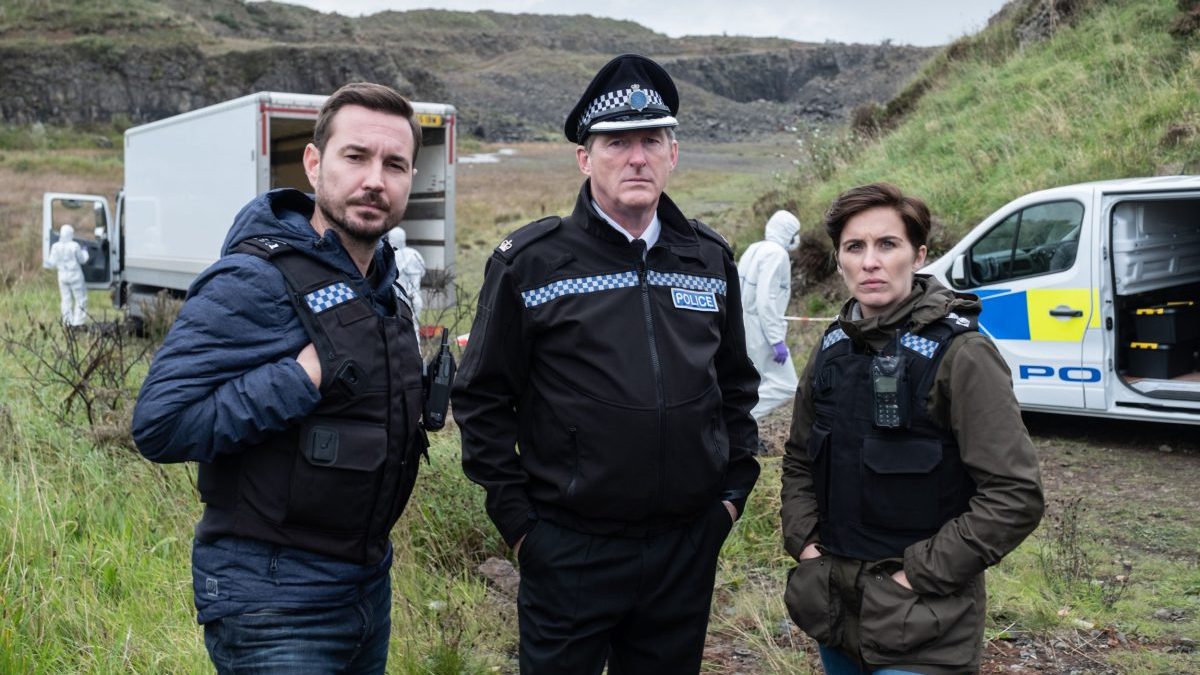
They added: “It would probably mean more cuts to local radio, which people value, or one episode fewer of an expensive popular drama like Line of Duty (returning in 2026).”
A DCMS spokesperson said: “No final decision has yet been made on the exact level of next year’s licence fee. We will set this out in due course.”
Nandy is expected to launch negotiations over the BBC’s future next month with the publication of a green paper, including plans for wholesale reform of the licence fee.
Speculation over a fee freeze hit a BBC already reeling from the resignation of its director-general Tim Davie and head of news Deborah Turness over crticisms of misleading editing of a Panorama documentary about Donald Trump.
Senior BBC figures will appear before MPs on the Culture Select Committee on Monday in what has been described as a “day of reckoning”.
Chairman Samir Shah will be grilled over why the BBC board failed to get a grip on the Panorama affair earlier.
Sir Robbie Gibb, a political appointment to the board who was previously spin-doctor to Theresa May, will be questioned over claims that he has repeatedly raised claims of “liberal bias” within the organisation.
The board was further shaken by the resignation on Friday of Shumeet Banerji, a tech industry executive, who said he was cut out of the discussions that led up to the resignation of Davie.
Your next read
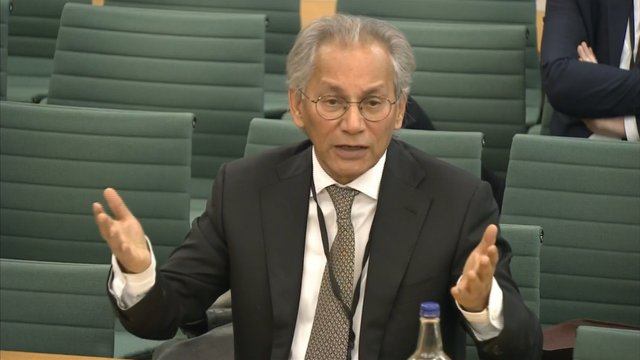
Banerji was away during the crucial days before the departure of Davie and Turness.
Nigel Huddleston, shadow Culture Secretary, said: “It is difficult to see how the BBC can justify an increase given current controversies over governance and impartiality and growing concerns over value for money.”
Last week the Commons Public Accounts Committee reported that visits to unlicensed homes in 2024/25 increased by 50 per cent on the previous year, but the BBC said it “has become harder to get people to answer their doors”.