
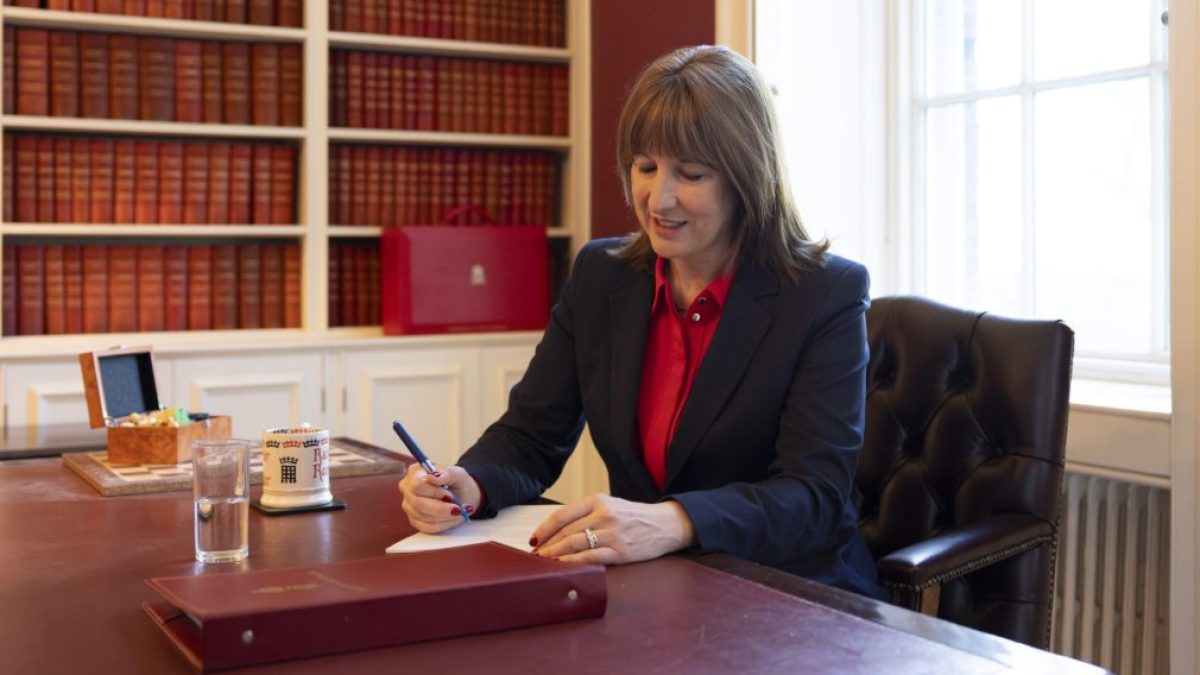
Paul Johnson, former head of the Institute for Fiscal Studies, is hoping for Rachel Reeves to start putting forward a long-term plan for the economy
During his 14 years as head of the Institute for Fiscal Studies (IFS), perhaps Britain’s most prestigious economic thinktank, Paul Johnson ran the rule over dozens of tax-and-spend interventions from multiple different chancellors.
He is now safely out of the Westminster fray, as provost of The Queen’s College, Oxford – but watching on from afar, he says this year’s Budget has been messier than ever.
“It clearly has been unusually chaotic,” he tells The i Paper from his Oxford office. “In many respects. First, the speculation – as far as one can tell, some of it, informed by Treasury sources – started incredibly early, right back in July. There’s been speculation about an extraordinarily large number of potential changes. And of course, we have the apparent U-turn on the U-turn in terms of the income tax changes. So that does feel quite different from what we’ve had before.”
New FeatureIn ShortQuick Stories. Same trusted journalism.
The reason for this, he believes, is a failure by Rachel Reeves to look ahead. He argues that she has failed to bring forward a strategic plan for the economy and the public finances, and has sailed too close to the wind with her fiscal rules by seeking to max out the amount that the Exchequer borrowed at the last Budget and Spring Statement – while ruling out increases to income tax, a pledge she then flirted with breaking this year.
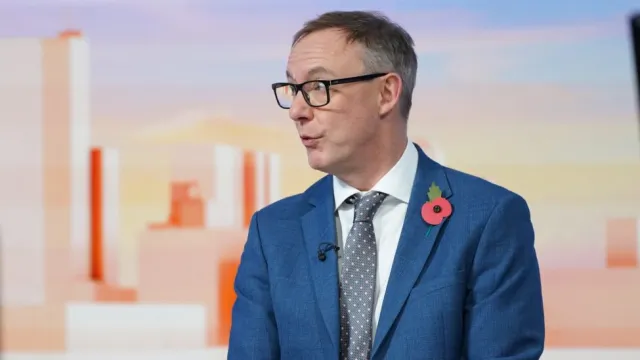 Paul Johnson, former head of the influential Institute for Fiscal Studies (Photo: IFS)
Reeves took ’50/50 gamble’ at last Budget
“To be honest, I think the Chancellor just took a bit of a gamble a year ago, hoped things would turn out better, and they didn’t,” Johnson says. “She should have known there was a 50/50 shot that things wouldn’t.”
He adds: “What we’ve had is a series of sort of tactical decisions – a tactical decision to go into the election with these income tax and so on pledges, as it were, to not address the fiscal issues. Then, a tactical decision in the Budget a year ago, to increase spending by a lot and to leave very little room on the fiscal rules. And then tactical backing down on some of the welfare changes. So you haven’t got a sense of a real clear strategy, which is why we got this marching everyone up to the top of the hill and marching them down again on changing income tax.”
Reeves has insisted she is not to blame for the downgrade to the public finances, which will see her announce billions of pounds in tax rises on Wednesday. The legacy of austerity and Brexit, plus global volatility largely sparked by Donald Trump, are the true culprits because they all drag down economic growth, she says.
The Chancellor is “absolutely right” that all of these issues are contributing to the tricky situation she is in, according to Johnson: “We are facing a whole bunch of really difficult problems, and almost none of them have got anything to do with what this Government has done. We’ve had terrible growth for 15 years. We’ve got huge levels of debt. And so on and so on.”
‘Absurd’ to suggest ministers were unaware of problems facing Britain
But, he adds, “The idea that we didn’t know about all that 18 months ago is also absurd. So it’s the sense that suddenly they got into office and discovered a £22bn black hole, and suddenly a year in they found out about Brexit… I have got a lot of sympathy with the inherited position, I’ve got much less sympathy with the idea that ‘ooh, we have suddenly found this out’.”
Having rejected the idea of hiking income tax, Reeves is now expected to take a so-called “smorgasbord” approach to the Budget, using a freeze on tax thresholds to get £10bn and making up the rest with smaller tax changes. Johnson warns: “I’m still struggling to get my head around where – supposing the number they come up with is a £30bn tax rise – it’s going to be very interesting to see how they cobble together another £20bn on top, because nothing that’s been briefed out comes close to that.”
Chancellor risks row with firms over curbing ‘salary sacrifice’ pension schemes
And with every mini tax hike, there is a danger of unintended consequences. One that Johnson highlights is the risk that curbing “salary sacrifice” schemes – for example, making employers pay national insurance on their pension contributions – could end up having a seriously distorting effect on some companies. He suggested this measure could “backfire politically”.
So what would he like to see instead? One obvious answer is more headroom, to reduce the risk that we end up in this position again a year from now – but Johnson also calls for a greater sense of stability in the tax system. For example, he points to the ongoing uncertainty over pension taxation which has led some savers to withdraw their cash, and argues: “Whether she does something or not on pensions tax, she needs to say, ‘I’m going to make no more changes through the rest of this parliament,’ she has to say that on pension tax.”
Figures released in September showed that the amount withdrawn from UK pensions in tax-free lump sums had risen more than 60 per cent compared to the previous financial year as savers prepared for possible changes to the tax rules on retirement funds. People withdrew £18.1bn in the year to the end of March, up from £11.25bn the previous year.
Johnson adds: “Part of it is just setting out a real sense of direction.” He would like to hear the Chancellor take steps to address some serious long-term issues, such as the spiralling bill for pensioner benefits [linked to the state pension triple lock and state pension age] and the need to overhaul how cars are taxed as drivers shift from petrol to electric – questions which have been dodged by successive governments because of a risk of voter backlash.
He concludes: “The problem, of course, is always the politics with this. But the politics of getting to the end of this parliament with all of this kind of lack of direction and lack of growth is that the Government will get kicked out anyway. So they might as well try and do the right thing and see whether that works!”