
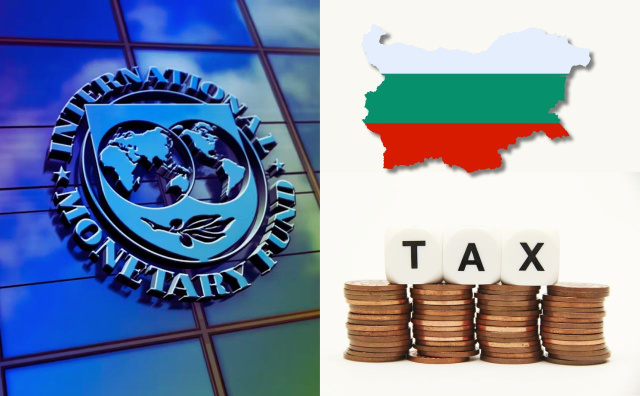
The International Monetary Fund has finalized its 2025 consultation for Bulgaria, approving its expert conclusions through the “silent procedure” after a mission visited the country in September under the leadership of Fabian Bornhorst. The institution’s assessment underscores that domestic demand remains the central engine of Bulgaria’s economic expansion, with gross domestic product rising by 3.4 percent in 2024 and by 3.2 percent over the first half of 2025. This momentum reflects strong household consumption, vigorous credit growth, and a loosened fiscal stance. Unemployment is at record lows, real wages are rising quickly, and income levels are catching up with European standards, yet inflation continues to stay elevated and productivity gains lag behind wage growth.
The Fund maintains a positive short-term outlook, projecting economic growth of roughly 3 percent in both 2025 and 2026. These forecasts are supported by domestic consumption and public investments tied to the Recovery and Resilience Plan. According to the IMF, headline inflation is expected to hover around 3.5 percent in 2025 and 2026 before gradually easing afterward. The main risks to the outlook stem from uncertainty around domestic policies, continued pressure from strong internal demand, and wider external volatility.
A significant part of the IMF’s analysis concerns the sustainability of Bulgaria’s public finances. The institution warns that the deficit in the pay-as-you-go pension system is deepening, a trend that will accelerate as the population ages. It argues that long-term stability will require increased contribution revenues and highlights the removal of the ceiling on maximum social security income as a key step forward. This measure, already included in the draft budget featuring a two-percentage-point rise in pension contributions, will take effect once approved by the National Assembly. The IMF also notes that the country’s preparations for adopting the euro have already strengthened investor confidence, citing narrowing sovereign spreads and recent upgrades to Bulgaria’s credit rating.
On taxation, the Fund delivers one of its most consequential recommendations: the current flat tax system no longer generates sufficient revenue to meet the growing expectations for high-quality public services. In its view, Bulgaria should consider increasing personal and corporate income tax rates and transitioning to a progressive income tax system over the medium term. This proposal aligns with the IMF’s repeated calls for tighter fiscal policy in 2026, particularly as the institution deems the economy overheated. A more neutral fiscal position, it says, could be achieved through both spending restraint, such as more modest rises in public wages and social transfers, and additional revenue measures. The Fund also stresses the need for greater transparency regarding the recapitalization of state-owned enterprises, which has contributed to rising public debt despite overall low risk of debt distress.
The IMF devotes considerable attention to financial stability, warning that the rapid expansion of credit, especially mortgage lending, is heightening risks in the housing market. Although the banking sector remains resilient, signs of overheating are becoming more visible. With the forthcoming adoption of the euro expected to reduce banks’ reserve requirements and free up liquidity, part of these funds may flow into even more aggressive household lending, further pressuring real estate prices. To mitigate these risks, the IMF urges the Bulgarian National Bank to make use of borrower-focused “risk management tools” and maintain a flexible macroprudential policy stance.
Overall, the Fund expects the Bulgarian economy to retain solid momentum, supported by rising domestic demand and substantial public investment. However, it emphasizes that the country must confront structural pressures, ranging from demographic trends to persistent deficits and an expanding mortgage market, while reassessing the long-term sufficiency of its tax model.