
Wednesday 26 November 2025 6:03 pm
Share
Facebook Share on Facebook
X Share on Twitter
LinkedIn Share on LinkedIn
WhatsApp Share on WhatsApp
Email Share on Email
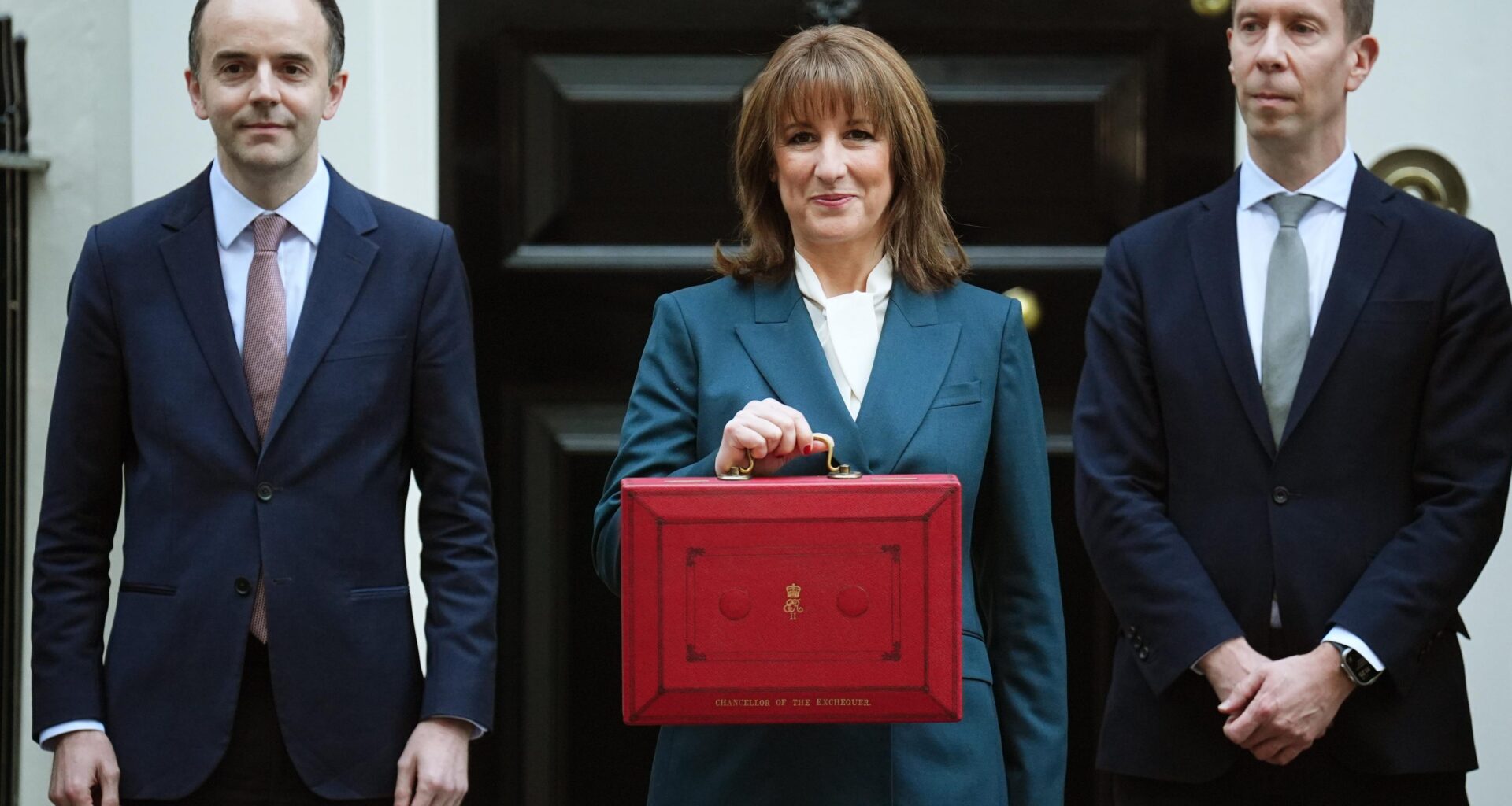
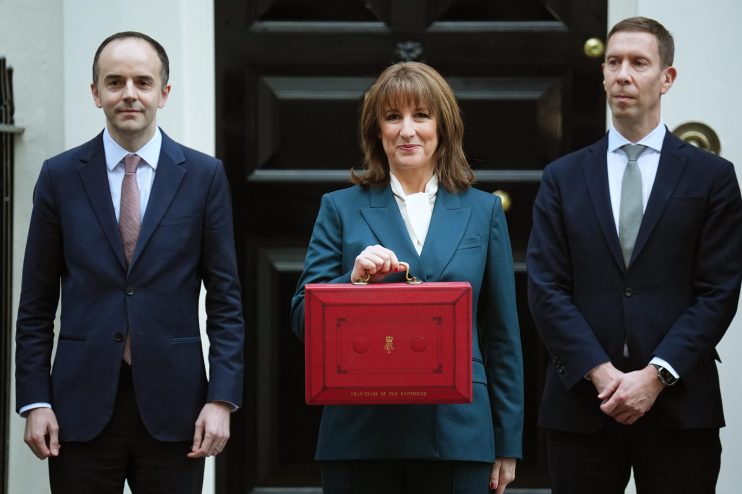 Rachel Reeves is launching a £26bn tax raid at the Budget. James Manning/PA Wire
Chancellor Rachel Reeves has announced an avalanche of tax rises on the wealthy and on working people, adding up to £26bn to fund extra spending over the next five years, as she vowed to make the country more “secure”.
Her biggest announcement included freezing income tax and national insurance thresholds until 2031 to raise £11bn by the end of parliament.
It represents another government U-turn after Reeves said last year she would unfreeze tax bands from 2028 in order to keep to “every single promise” she made in the Labour manifesto.
The measure is widely referred to as a “stealth tax” as earnings are taxed more in real terms due to the rise in inflation, with people on the state pension set to be dragged into bands for the first time next year.
The Office for Budget Responsibility (OBR) said the freeze on income tax thresholds would lead to 920,000 more people paying the higher 40 per cent income tax rate and 780,000 more people paying into government coffers at the basic rate by 2030.
The Chancellor also targeted the wealthy by introducing new taxes on motorists, wealthy home owners and savers to fund up to £70bn more welfare spending by the end of parliament, which was larger than a previous projection due to abandoned welfare savings and the lifting of the two-child benefit cap at a cost of £3bn.
The brutal fiscal measures came as the OBR took a critical view of Labour’s growth mission.
Her previous £9.9bn headroom left at the Spring Statement was wiped out by the OBR’s 0.3 percentage point downgrade to productivity forecasts, leaving growth weaker in every year of the OBR’s forecast period other than 2025.
Reeves said: “These forecasts are the Tories’ legacy, not Britain’s destiny. We beat the forecasts this year and we will beat them again.”
Speaking to journalists after the Budget, Reeves told journalists that her measures were “highly progressive” as she refused to rule out hiking taxes at future fiscal statements.
“She said: “I can’t write future Budgets, but if you are asking, ‘is this a Budget I wanted to deliver today?’ I would have rather the circumstances were different.”
Reeves boosts headroom to £22bn
Reeves’ fiscal tightening led to her headroom being doubled to £22bn, representing her commitment to “iron-clad” fiscal rules stating day-to-day spending should match tax intake in the last year of the forecast period.
Read more
OBR accidentally publishes full Budget before Reeves speech
But the OBR suggested there was just a 59 per cent chance of Reeves meeting her fiscal rules, a marginal five percentage point increase on the probability figure published at the Spring Statement.
City analysts and think tanks suggested that back-loaded tax hikes around the time of the next General Election may not stick, with top firms warning that further tax hikes or spending cuts were to be expected.
Helen Miller, the boss of the Institute for Fiscal Studies, called out the “spend now, pay later” Budget measures that showed “no real appetite for using tax reform to boost growth”.
David Rees, head of global economics at Schroders, one of the biggest holders of government bonds, said: “We suspect it will not be long before the government is forced to come back with more fiscal consolidation.
“The government’s poll ratings meant the Chancellor backed away from plans to raise income tax, instead opting for a range of smaller, back-loaded measures to raise revenues.
Firing back at Reeves’ measures, Tory leader Kemi Badenoch hit out at Reeves’ “laundry of excuses”, calling for her resignation for “breaking her promises”. Reform UK’s Nigel Farage said the Budget was an “assault on aspiration”.
Frenzied lead-up to the Budget
The Budget speech was undermined by an OBR error in publishing the fiscal forecast and all the measures around 30 minutes before Reeves stood up in the House of Commons.
Richard Hughes, the chair of the OBR, was forced to apologise for the early release during a press conference in the afternoon while a spokesman for Reeves said she still had confidence in the watchdog chief.
The run-up to the Budget featured frenzied briefings on tax hikes and other Budget policies, with Reeves holding a “scene setter” press conference in early November hinting at a rise in income tax rates.
Fresh plans to ditch the tax, which were reported in the Financial Times, led to City traders selling bonds and borrowing costs rising for the government.
Bank of England Governor Andrew Bailey criticised Budget leaks as he said speculation had dampened growth.
Former OBR chiefs also told City AM that the Chancellor could not claim to be surprised by the OBR’s decision to launch a review of its productivity forecasts.
Read more
Rachel Reeves must break this manifesto pledge
Similarly tagged content:
Sections
Categories
People & Organisations