
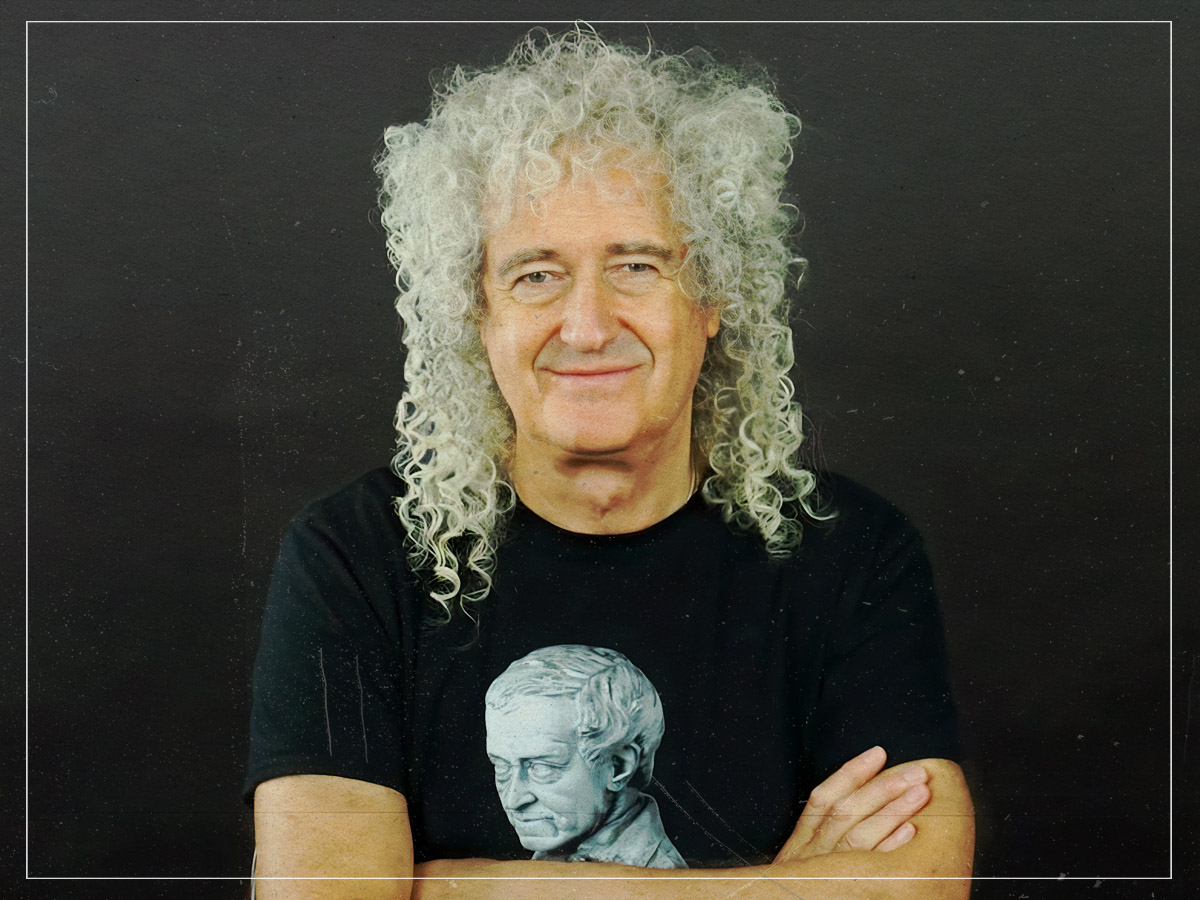
(Credit: Far Out / Denis Pellerin)
Thu 27 November 2025 8:00, UK
There aren’t too many guitarists who could claim to hold a candle to what Brian May did in Queen.
Whereas most six-string warriors tend to like the idea of making a great solo where they can show their stuff, a lot of what may did was always about trying to get the biggest sounds out of his guitar that he could, whether that was about dialling in the right tone for a song or layering as many harmonies as he could to create a symphony with his instrument. But had he not gone to one particular gig, things could have gone a lot differently when he started making his first royal classics.
But it’s not like May wasn’t looking to put in the work. Despite having the ability to make every guitar scream, what he created with the Red Special really is a one-of-a-kind invention in rock and roll history. Not many people could claim to have built their guitar completely from scratch, but when you hear any of his riffs in the mix of a Queen record, you can immediately tell that it’s him from the way that the strings ring out above everything else.
And while a lot of his sound comes from everything from jazz to classical harmonies, May was more focused on rock over anything else when he got started. The guitar heroes of the day, like Jimi Hendrix, had left an indelible effect on him, and that, combined with The Beatles’ ingenuity in the studio, was half the reason why the band sounded the way they did, albeit with Freddie Mercury’s sense of theatricality in the mix.
For all of the great musical pieces that he wrote on guitar, though, May was always a fairly bluesy player when you break it down. A lot of those early tunes have a lot of pentatonic runs that everyone learns when they start wanting to solo, but whereas most people would stop at that style of soloing, May was transfixed by what a guitar could do when you gave it to someone like Rory Gallagher.
The Irish guitar legend was already one of the finest blues players ever, but May was always focused on how he got his sound more than anything when he saw him perform, saying, “He’s one of the few players from that generation who could make his guitar do anything. I went straight out and got [his] AC30 and treble booster. I plugged in my guitar, and it gave me exactly what I wanted. And that’s the sound; that’s my voice. So I have so much to be thankful to Rory for.”
Then again, were there any guitar purists looking for any specific Gallagher quotes in any of May’s work? Probably not. I mean, this was someone interested in pushing the boundaries of what a guitar could be in a rock context, and while Gallagher may have shown him the ropes, the creative ingenuity that goes into a song like ‘Good Company’ all comes down to how much May studied his craft.
If you were to look at the fury that Gallagher played with, there are a few times when May managed to have that same kind of energy in his solos. A song like ‘I Want It All’, for example, might be a vehicle for Mercury’s fantastic vocal performance, but when listening to May’s solos in between the breaks, you can hear him slowly starting to ramp up the tension in the same way that Gallagher did when making a lot of his greatest tunes.
So while Gallagher can’t really be responsible for creating May’s sound in a broad sense, the Queen mastermind clearly wouldn’t have been the same guitarist had he not met Gallagher back in the day. Most guitarists might want to keep their secrets for themselves, but Gallagher knew that it was about carrying on the tradition of artists playing the very best that they can across every generation.
Related Topics