

A top pharmacist reveals the common pharmacy staples she refuses to use as she reveals scary reality behind pills that can cause long term effects if used improperly A pharmacist has revealed which medication she would never take
We trust them to cure our headaches, clear our sinuses, and help us sleep. But according to one seasoned pharmacist, some of the most popular items in your medicine cabinet might be doing you more harm than good.
Deborah Grayson, a pharmacist with 13 years of experience, has issued a stark warning about seven common pills and creams she would “never” use herself. Her reasons range from the risk of terrifying “zombie-like” drowsiness to the potential for creating a dependency that leaves you worse off than when you started.
Here are the seven medications on her blacklist and what she recommends you take instead.
READ MORE: ‘I was dying until blood from baby’s umbilical cord cured my cancer’READ MORE: If a dog has ‘head shake’ symptom it could be something serious1. Codeine Codeine can be addictive
Available over the counter in lower strengths combined with paracetamol, Codeine is a powerful opioid painkiller. But for Deborah, the risks of addiction outweigh the benefits.
“Opiate painkillers are all converted to morphine in the body and act on opiate receptors to dull the pain response,” she told the Daily Mail. “Many of them also produce a warm and fuzzy feeling, often referred to as a buzz.”
The alternative is paracetamol or ibuprofen for mild to moderate pain. If that doesn’t work, see a GP rather than reaching for addictive opioids.
2. Statins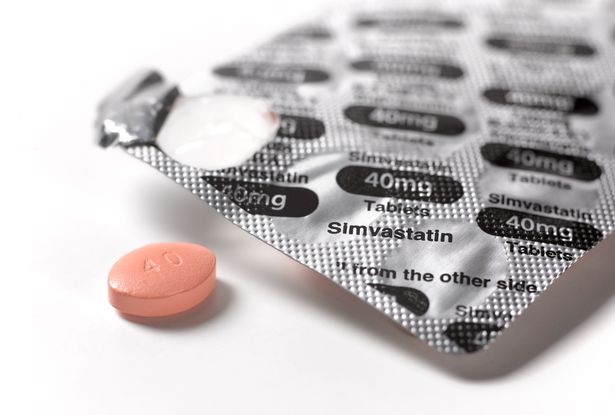 Statins are used to lower cholesterol in millions of Brits
Handed out to millions of Brits to lower cholesterol, their true impact remains debated. Deborah said it’s vital they are only taken when necessary, as they can do more harm than good for healthy people.
“For women, the protective effect appears even smaller, raising questions about whether many are being medicated unnecessarily,” she says.
Muscle pain and fatigue are known side effects, as well as a heightened chance of liver inflammation. Deborah advises a thorough consultation with a health professional before taking these to see if there are any alternatives.
3. Anti-depressants Use of anti-depressants in the UK is sky high
Anti-depressants being prescribed in the UK has risen to high levels. While these can be extremely valuable for some, the side effects and withdrawals can outweigh the benefits long term.
Deborah said the NHS remains strained in offering cognitive behavioural therapy, which can have more valuable effects long term on patients. “Side effects of antidepressants include nausea, headaches, sleep problems with longer term risks of weight gain, diabetes and gastric bleeds,” she said.
Over time, some patients may experience sexual dysfunction, while withdrawal can lead to dizziness, nausea, ‘electric shock’ sensations in the head, crushing anxiety, confusion, irritability and insomnia.
4. Gabapentin and pregabalin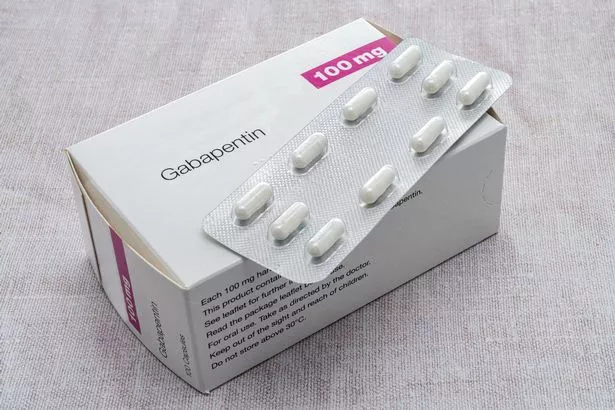 Gabapentin has side effects for long term users
These medications have become a go-to for nerve pain and fibromyalgia, but their risks are often downplayed.
Deborah said: “They can cause severe drowsiness, problems with balance and co-ordination, difficulty concentrating and longer-term impacts include weight gain and memory impairment.
“These effects are often so intense at the start that many patients quit before they see a benefit, as this can take weeks to occur.”
Both these medications are controlled due to the chance of patients becoming addicted. People can develop a strong physical and psychological dependence.
5. Steroid creams Steroid creams are widely prescribed
Steroid creams are widely prescribed for eczema, psoriasis and other inflammatory skin conditions, especially during flare-ups.
“Steroids are often used for much longer periods than is recommended, as patients have them prescribed with little to no follow-up,” Deborah explained.
Long term risks include thinning of skin, and painful reactions or even infections. This can lead to people becoming trapped in a cycle where the only thing that helps ease the pain is steroid cream.
6. PPIs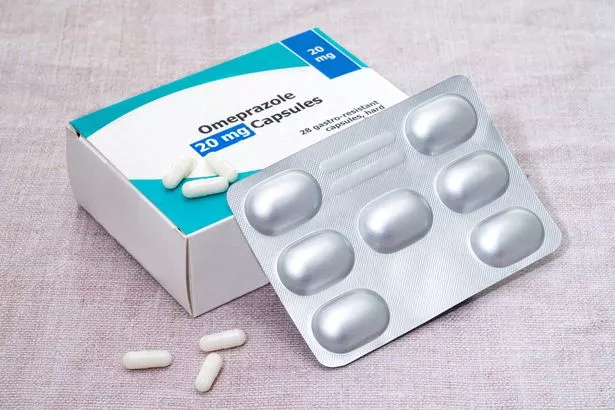 PPIs are used to treat heartburn and acid reflux
Proton pump inhibitors (PPIs) such as omeprazole and lansoprazole are among the most commonly prescribed drugs in the UK for heartburn and acid reflux.
Deborah calls this a “quick fix” that can cause serious problems if used long term. “Stomach acid is essential for digestion and nutrient absorption”, she said.
And PPIs dramatically disrupt this process, effectively turning your stomach into a “compost bin”, where food doesn’t break down properly. They can also cause nutrient deficiencies, and should not be used long term.
Instead, Deborah urges those suffering to adapt their diet and stress levels to help manage symptoms.
7. Laxatives Laxatives are used to treat constipation but can cause long term problems
Constipation affects millions, and many laxatives can be bought over the counter without needing to see a GP. While these can be efficient when used for a short time, long term use could see the bowel become “lazy”.
Deborah said: “Sufferers may become dependent and unable to go without them.” Short-term side effects include stomach cramps, diarrhoea, nausea, bloating and wind.
For those who are long term sufferers, Deborah urges them to adjust their diet to include more fibre or using a laxative which works by pulling more water into the bowel such as Fybogel (ispaghula husk) or Macragol sachets.
READ MORE: Boden drops new version of Princess Kate’s gorgeous blue cardigan– and it’s on sale