
The history of art is available as an A-level in only two schools north of Nottingham, a “sobering” study highlighting the UK’s cultural divide has revealed.
One state school in Manchester and one independent in York offer history of art. A total of 78 other establishments do so, but are mainly in or around London.
The study was carried out by the Association for Art History and commissioned by the London-based Courtauld Institute of Art, whose alumni include the leaders of many of the world’s great museums and galleries.
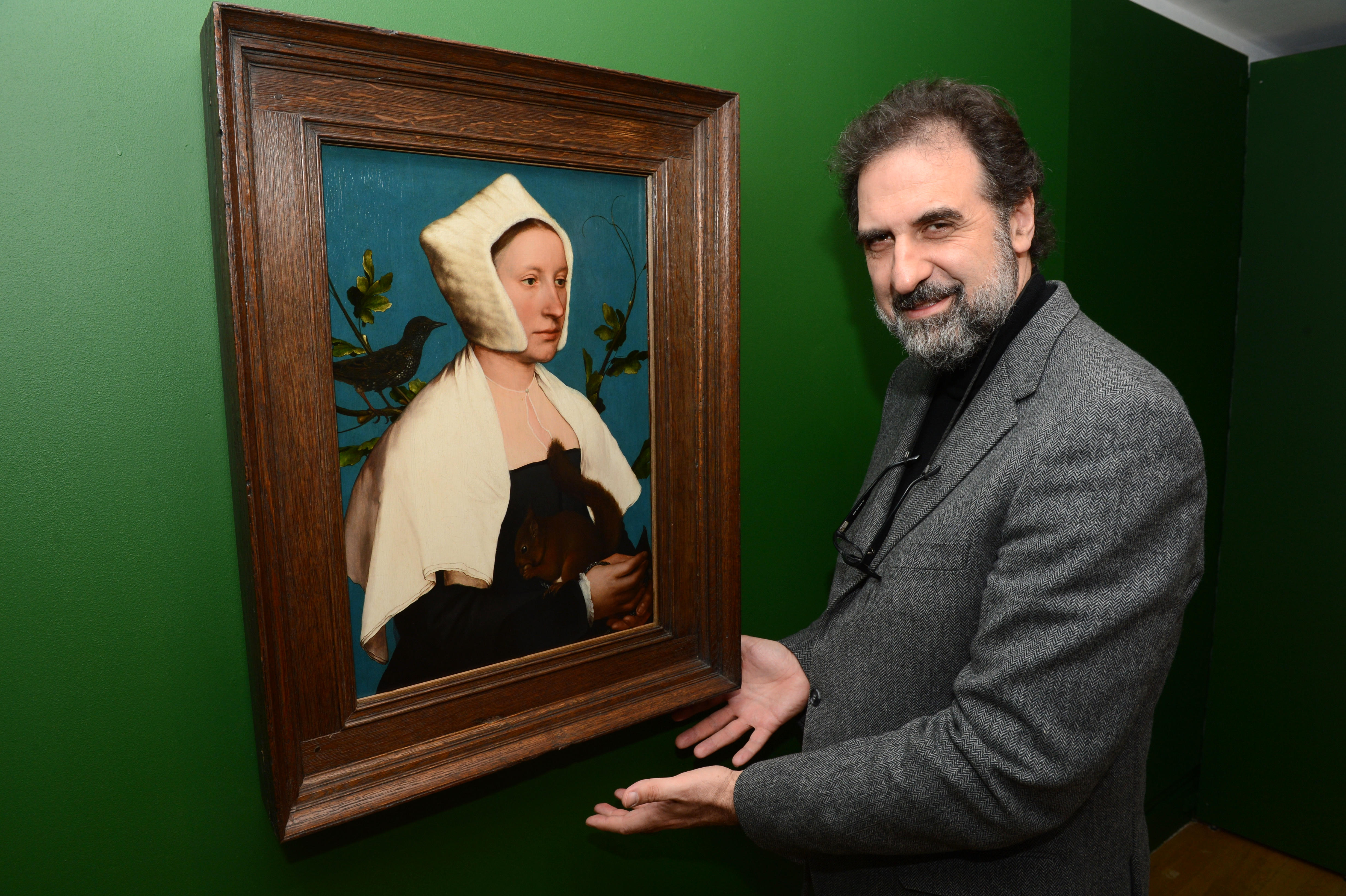
Gabriele Finaldi, director of the National Gallery, is a Courtauld alumni
ALAMY
Dorothy Price, the Courtauld’s deputy director, said the number of schools offering history of art A-Level had dropped by 34 per cent since 2014 and that of the 80 that still did, only 19 were in the state sector or did not charge fees.
She described the geographical disparities as “really sobering” and said the Courtauld hoped to address the problem through scholarships and government lobbying.
The study found that seven of the 17 state schools that offered art history A-level were in London. Of the 61 fee-paying establishments that offered it, 25 were in the capital.
• Richard Morrison: At least the RSC wants to save the arts in schools — what about MPs?
The course was also available at schools in Kent, Dorset and Berkshire. North of Nottingham, however, it was an option only at the private St Peter’s School in York and Didsbury High School, a state-funded school in Manchester.
Between Cambridge and Nottingham, the A-level was offered at one school in Birmingham, a couple in Peterborough and two in Shropshire.
A-level history of art was not available at any school in Wales, Northern Ireland or Scotland.
Price said: “The provision is extremely inconsistent. We are wrestling with it. Courtauld has ambitions to try and address it so there is wider provision.
• End ‘untold damage’ of state school arts cuts, artists plead
“We work with partner schools, bring children into our gallery. We want to open up access particularly to those students who are not traditionally inclined to study art history or who come from a background where access to humanities is not as easy.”
The subject was facing the same challenge in the face of dwindling interest as Classics 40 years ago, she said. Take-up of Classics in schools, however, was now “strong and healthy”.
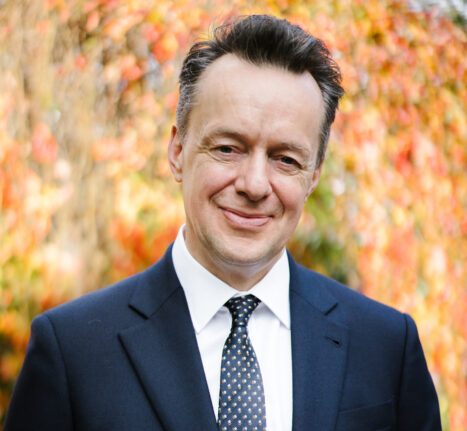
Mark Hallett, Courtauld director
Mark Hallett, the Courtauld director, said greater awareness of the “rich and important subject” was needed. “Art distils and explores the most profound forms of human experience from across history”.
He said the Courtauld, which also contains one of the country’s greatest art collections, was “deeply committed to opening up the understanding and appreciation of art to people of all ages and from all backgrounds”.
Hallett said there was “no question” that many of its students came from the south. “We want to start to talk with national partners, with government, with philanthropists about what kind of work we could do to make art history much more generally available across the UK.”
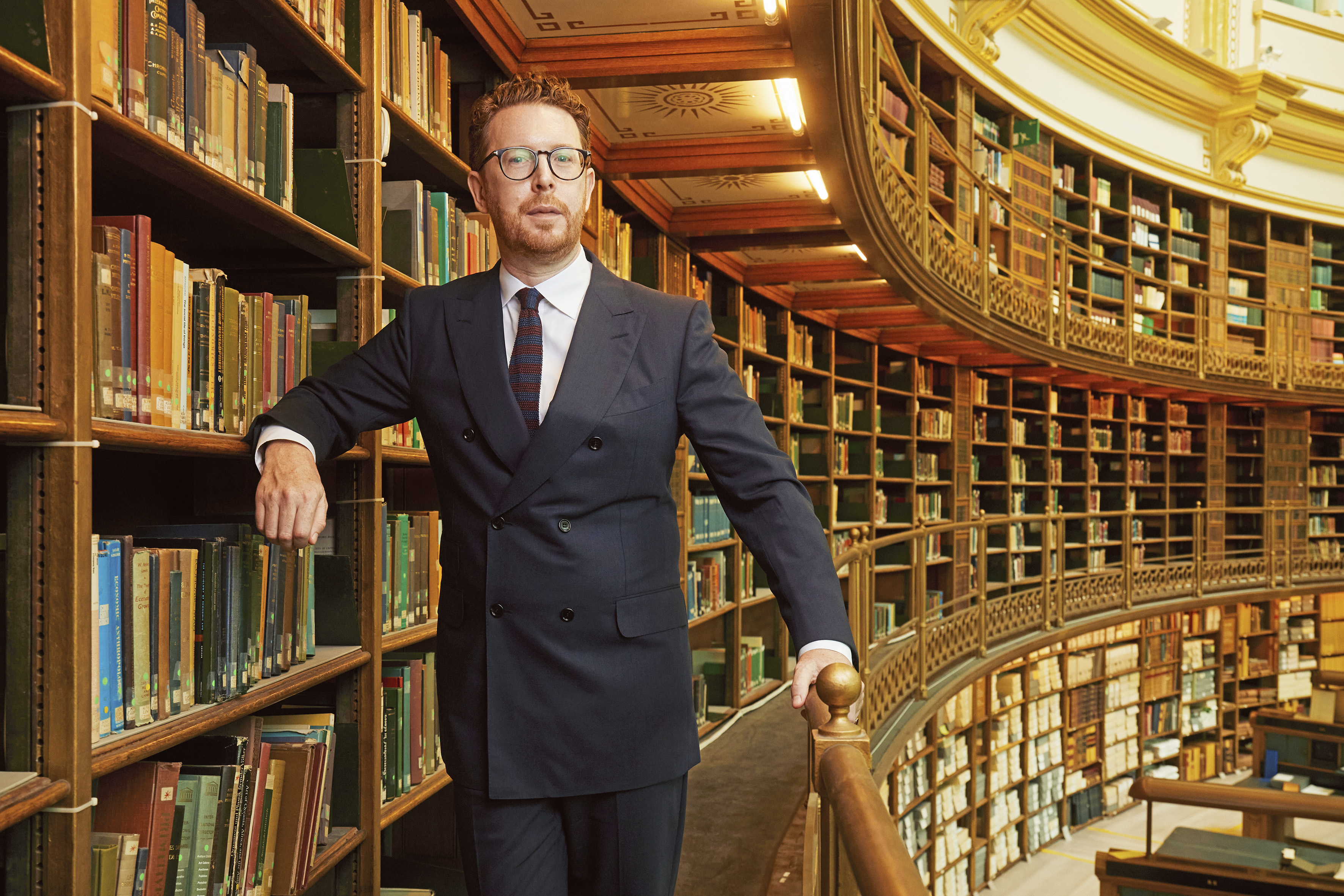
Nicholas Cullinan, the British Museum director
TOM BARNES FOR THE TIMES
Courtauld alumni include Nicholas Cullinan, director of the British Museum; Gabriele Finaldi, director of the National Gallery; and Nicholas Serota, the former Tate director who is now chair of the Arts Council.
The Courtauld outlined its intention to tackle the north-south cultural divide as it unveiled updated plans for its new London campus.
With the help of various philanthropic contributions, including money from the Blavatnik Family Foundation and the Reuben Foundation, it is creating a new fund that it said would “dramatically increase” the number of scholarships and bursaries it offers.