
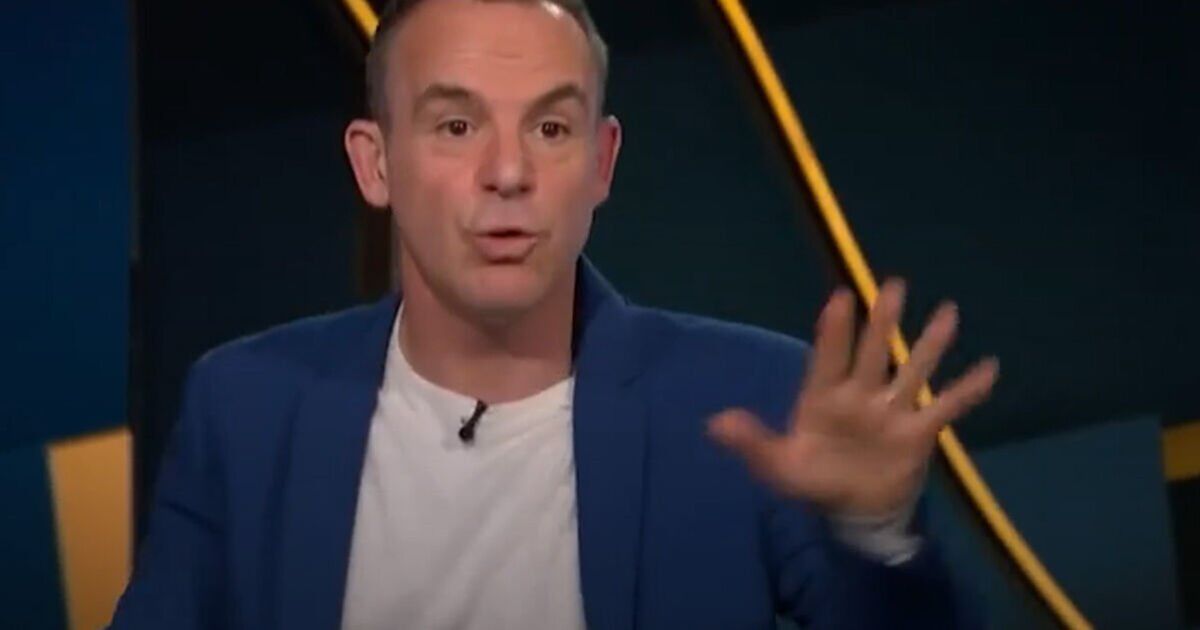
Martin Lewis has explained what Rachel Reeves’ new £150 slash in energy bills means for Brits – and warned that failing to pass the reduction on to all customers, including those on fixed tariffs, would be “unthinkable.”
The Chancellor plans to scrap the ECO energy scheme as part of her Autumn Budget, which she says will help households reduce how much they pay in energy bills. The scheme, introduced by the previous Conservative government, has “failed”, according to Ms Reeves. “It costs households £1.7 billion a year on their bills, and for 97% of families in fuel poverty, the scheme has cost them more than it has saved,” she said.
Ms Reeves said that the change will mean an average saving of £150 for UK households. “Money off bills, and in the pockets of working people,” she said. “That is my choice. Not to neglect Britain’s energy security, like the Tories did.” The reduction will kick in from April 1, 2026. The scheme was introduced in 2013 and aimed to tackle fuel poverty, designed to help Britain’s largest providers to deliver energy more efficiently. However, Ms Reeves says cutting it will help households save an average of £150 per year on energy bills.
Money expert and consumer champion Martin Lewis has broken down exactly what this change means for Brits and revealed how much they can expect to save.
In a post on X following the budget’s announcements, he said: “Everything else being equal, it will be equivalent to a rough 3.3p reduction in the electricity unit rate and 0.3p reduction in the gas (pre VAT). For someone on typical bills, this will equate to roughly £150/yr reduction (clearly use more it’s bigger, use less it’s smaller)”
He also revealed that this is in part being done by “shifting 75% of the cost of energy levies off bills and into general taxation“, something he says he had called for, as it is a far more “progressive” approach.
“Part is by scrapping Eco Scheme and putting more funds into Warm Home scheme (though exact details of that are yet to come),” he added. “I pushed hard on whether this reduction will apply to fixes, too. I was told, “The government has clear expectations that this cut will be passed on in full by suppliers”, though the details aren’t there yet.
“There is precedent for this from the Energy Price Guarantee. To not do so would be unthinkable and break the point of a ‘competitive market’.”
He also revealed: “I’m also hopeful [that] in future we may get some costs off the standing charges, but that hasn’t happened yet.”