
The combination of the end of a discount on rates and an increase in the rateable value of their properties has left many suddenly having to pay tens of thousands more each year.
The changes were not highlighted in Rachel Reeves’ announcement on Wednesday, when she claimed she was introducing the “lowest tax rates since 1991” from next year.
Experts are warning a “hidden clause” in the Budget could “kill small businesses” (Image: Supplied/PA)
The full impact is only now beginning to dawn on many business owners, with some discovering the rateable values are increasing by up to 200pc in April.
The worst affected will be hospitality firms, as they have previously benefited from a rates discount designed to protect the sector.
One Norfolk businessman, who owns more than a dozen venues, said it will “kill small businesses”.
Candy Richards, from the Federation of Small Businesses, said: “Behind the headlines, the reality is that many businesses have actually seen their business rates rocket.”
WHAT ARE BUSINESS RATES?
Business rates are a tax charged on most non-domestic properties, such as shops, offices, pubs, bars and restaurants.
They are collected by local councils and are calculated based on a property’s ‘rateable value’, an estimate of its annual rental value. This is set by the government’s Valuation Office Agency.
To determine how much rates each firm should pay, the government uses a figure called a ‘multiplier’.
This is multiplied by the company’s rateable value to calculate the amount due, although the government has traditionally offered businesses ‘relief’ which discounts how much should be paid.
WHAT ARE THE CHANGES?
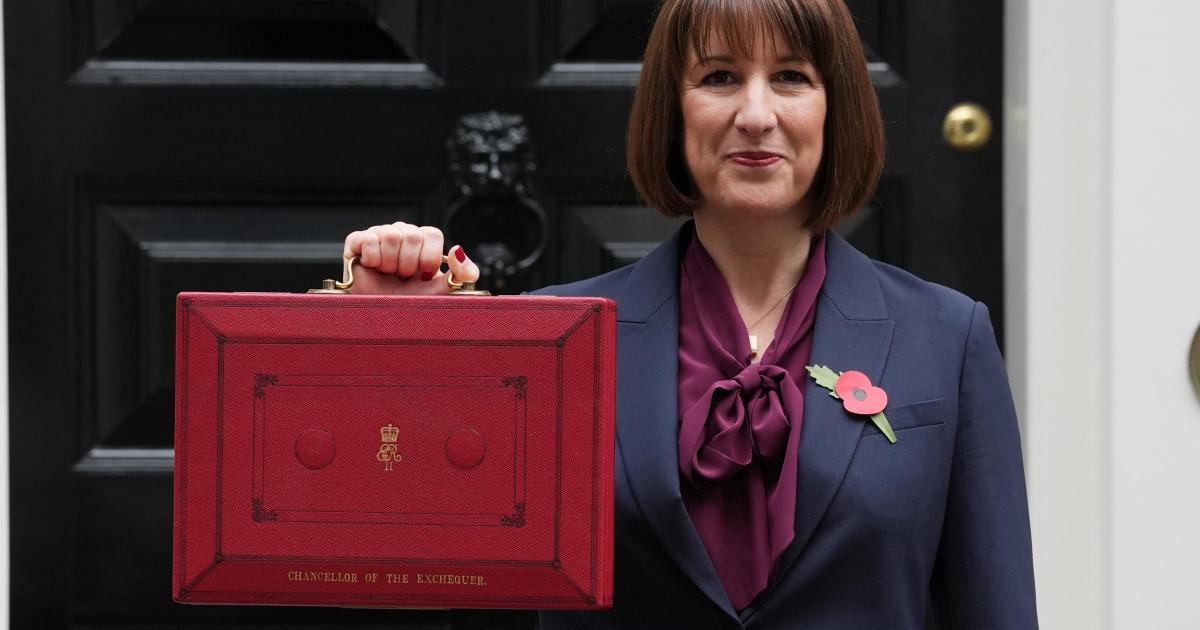
In the budget, the chancellor announced that more than 750,000 retail, hospitality and leisure businesses will get permanently lower business-rate multipliers from next April, something she described as the “lowest tax rates since 1991”.
However, any reduction that businesses might have seen will be more than cancelled out by ending of a 40pc relief on rates for the retail, hospitality and leisure sectors.
The change is due to come into effect at the start of April.
Meanwhile, the Valuation Office Agency has re-calculated the rateable value of all properties, with the changes also due to come into effect at the start of April.
Many firms have seen huge increases in the value.
The combination of the two factors mean many will see massive hikes in their rates bills next year.
The chancellor Rachel Reeves (Image: James Manning/PA Wire)
Ms Richards, who represents East Anglia at the Federation of Small Businesses, said: “The existing 40pc discount on business rates has been reduced right down to between 11 to 14pc.
Candy Richards represents East Anglia at the Federation of Small Businesses (Image: Supplied)
“Many are looking at a 28pc increase in their business rates and for those that have seen the rateable value of their properties shoot up, they will be paying significantly more.
“The chancellor could have focused on lifting more small businesses out of paying business rates by increasing the small business rates relief. Instead, business rates have become an even bigger burden for struggling small businesses.”
WHAT BUSINESSES SAY
Marcus Pearcey, who owns 17 sites in Norfolk, said the changes will “kill small businesses”.
Businessman Marcus Pearcey (Image: Denise Bradley)
“Any money you make is being sucked in by business rates,” he said.
“If we want small businesses on the high street to survive, we need to treat them like acorns, encouraging and helping them to grow.
“But instead we’re killing them before they’ve even got going.
“These changes are hidden in the detail. The government gives with one hand and takes with the other. Business rates are doubling and even tripling for some firms.”
Phil Cutter, landlord of the Murderers pub in Norwich, said small businesses have been “crippled” by the government again.
Phil Cutter, landlord of the Murderers pub in Norwich (Image: Denise Bradley)
He currently pays around £30,000 a year in business rates for his Timber Hill pub. Now, the rateable value of the property is set to jump from £88,000 to £125,000 next April, meaning his rates are likely to soar.
“It’s a real kick in the teeth because they’re trying to make it look as if it’s a win for us, like they did with the penny off the pint, which did nothing,” he said.
“We can’t keep putting our prices up to try and match that shortfall. Our electricity, wages and National Insurance contributions have all gone up in the last year.”
He added: “I thought businesses seemed to have got away with it this time around, by looking at the headlines and listening to the budget. This has come as a real shock. No wonder they kept it hidden.”