
Few were spared higher taxes in the chancellor’s second budget this week. Workers, pensioners, savers, landlords, investors and electric vehicle drivers were among those who will be hardest hit by the chancellor’s attempt to balance the fiscal books.
Rachel Reeves asked “ordinary people to pay a little bit more” — but many feel that they are being taxed from all angles, and are exasperated by the relentless squeeze. Here’s what they told Times Money.
Zahid Razzaq, 41, came late to saving for his retirement. The IT contractor started putting money in his pension three years ago and has been making the most of a salary sacrifice scheme to boost his retirement pot.
From 2029 the amount that a worker can pay into their pensions via salary sacrifice while still benefiting from national insurance savings will be capped at £2,000 a year. The government expects this to raise £4.7 billion in the 2029-30 tax year.
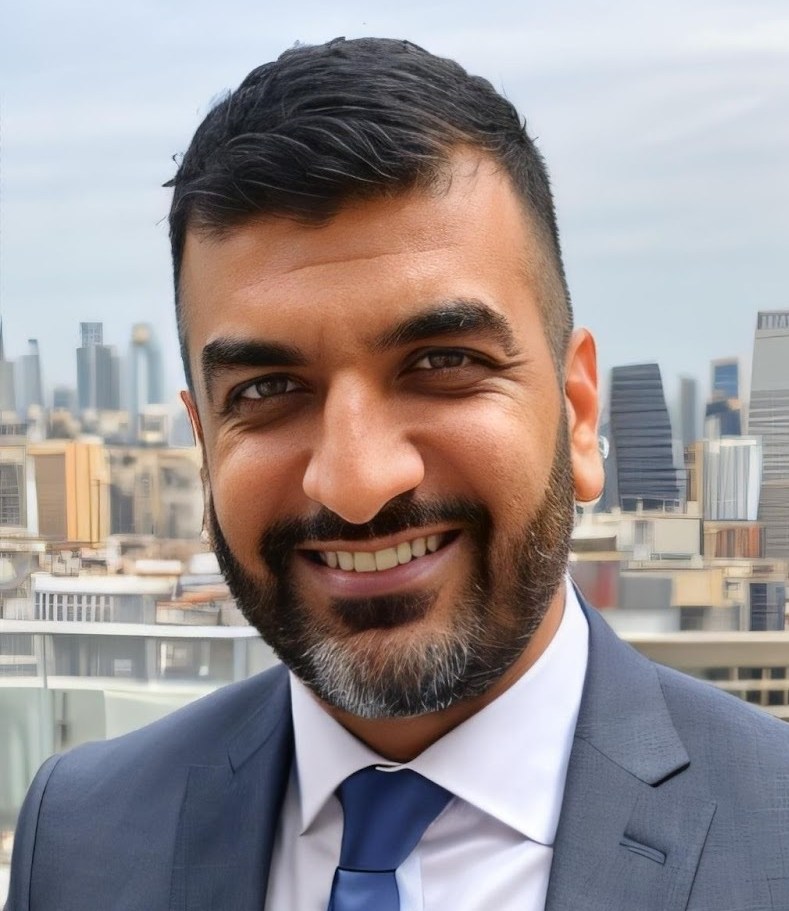
Zahid Razzaq plans to pay as much as possible into his pension before the changes kick in
Razzaq, who has three children, earned six-figures for his latest contract, but paid himself minimum wage and put most of the rest into a pension with PensionBee.
He was keen to make the most of the £60,000 limit on how much you can pay into a pension each year while still getting income tax relief. He carried forward unused allowances from the past three years, which allowed him to pay in more. His pension contributions also reduced his taxable income, and without them he would have paid the 40 per cent higher rate of tax.
Razzaq said he will use salary sacrifice as much as possible before the national insurance relief on his salary sacrifice contributions is reduced in April 2029, but after that he may stop paying into his pension entirely.
This is despite the fact that pension contributions will still be eligible for income tax relief.
• How to beat the pension tax raid on salary sacrifice
Razzaq said: “It’s still good but not as attractive as it is now, so I will have to work out nearer the time if I can make better use of the funds elsewhere, with better returns.
“I would rather have the funds in my hands, then I can do what I want with them.”
Steve Webb, a former pensions minister, said that the more than three-year delay before the change is implemented would give businesses time to change the way they pay pensions.
“There is a high probability that this policy will only raise a fraction of the amount expected by the chancellor. It creates a huge opportunity for firms to restructure the way that they offer and pay pensions to mitigate or eliminate this new charge,” Webb said.
HM Revenue & Customs said earlier this year that some would remove salary sacrifice for its employees and revert to net-pay contributions.
Razzaq’s wife is a stay-at-home mum and he said he feels pressure to provide for them both in their later years.
“These decisions today block progression for workers and businesses alike. At a time when long-term saving should be encouraged, this measure does the opposite.”
• Pension tax raid will raise ‘a fraction’ of what Reeves expects
‘I’ll never vote for this government again’
Those earning between £100,000 and the additional-rate income tax threshold of £125,140 face losing their tax-free personal income allowance, worth £12,570 a year, at a rate of £2 for every £1 earned over £100,000. This means that their 40 per cent rate of income tax becomes an effective 60 per cent tax rate on that slice of their income.
Figures from HMRC show that 1.95 million taxpayers are set to lose some, or all, of their tax-free personal allowance by the end of this tax year.
The fact that the chancellor has extended the freeze on income tax thresholds until 2031 means that the number of workers caught in the 60 per cent tax trap will rise even further. It was already set to hit 2.06 million in the next tax year, and nearly 2.3 million by 2028-29, according to the wealth manager Rathbones.
Crossing the £100,000 threshold can mean that workers also lose valuable childcare, including 30 free hours a week during term-time for children under five, and access to the tax-free childcare scheme. The loss of these benefits can cost parents £7,775 a year per child, based on the average cost of a full-time nursery place.
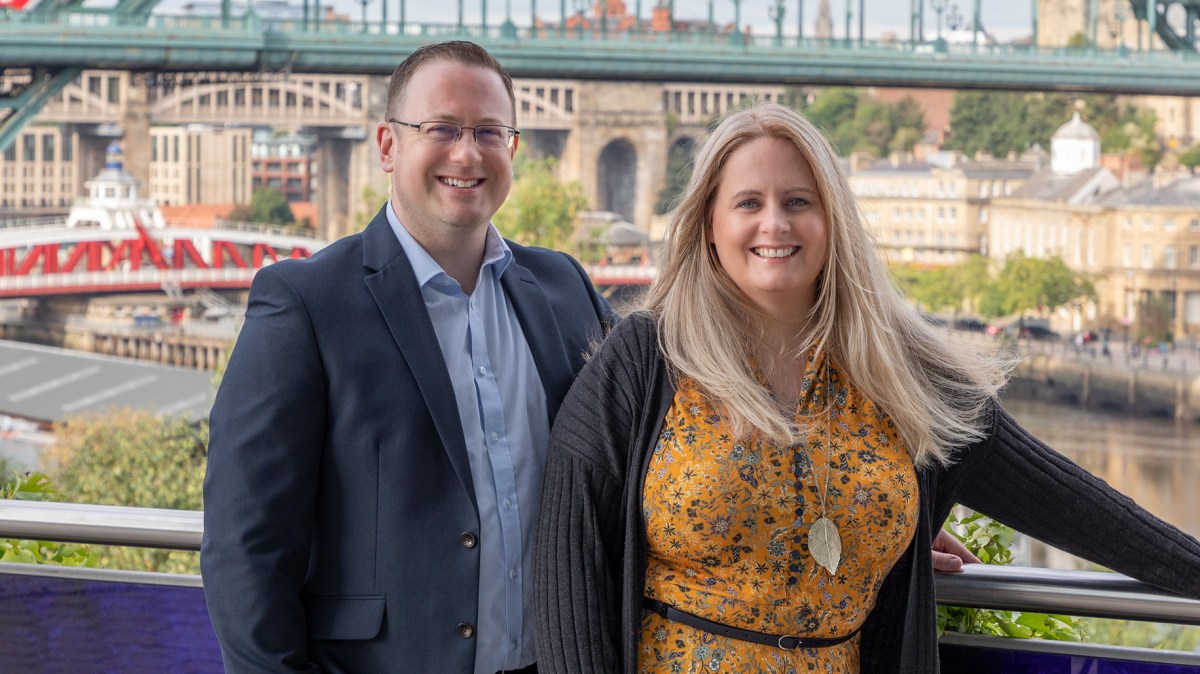
Michelle Minnikin and her partner, James Eves, from North Tyneside have been hit by a budget triple whammy: they will be worse off thanks to a pay-per-mile tax on electric vehicles; the extended freeze on income tax thresholds and the watering down of salary sacrifice.
They run a workplace coaching business together and contribute to their pensions using salary sacrifice. While they will not be too badly hurt by the £2,000 cap, Minnikin said she worried about the loss of incentive for her employees to save for retirement.
The couple have been leasing a £36,000 Hyundai Ioniq since October 2021, and recently renewed their agreement at £217 a month, paid through salary sacrifice, but she said they won’t renew next time. From April 2028 drivers of electric cars will have to pay 3p a mile upfront, based on their estimated mileage over a year. For plug-in hybrids it will be 1.5p a mile.
If they end up driving less than anticipated, they can carry the excess over to the next year, and if they rack up more miles, they would need to pay the difference.
This is forecast to raise £1.1 billion in the first year, rising to £1.9 billion in 2030-31, but could come at a cost of nearly half a million fewer electric car sales, the Office for Budget Responsibility said.
Minnikin, 46, said: “It’s costing me more in road tax than my previous diesel car did.”
• The budget reflects Labour values — but they don’t come cheap
The couple already hire petrol or diesel cars for longer journeys because of how long and expensive charging an electric vehicle on the road can be. “We tried to go from Newcastle to Leicester and it took five hours and two charges,” Minnikin said.
“They want people to start using low-emissions vehicles, but what will the incentive be? This is not the government I voted for, and I will never vote for them again.”
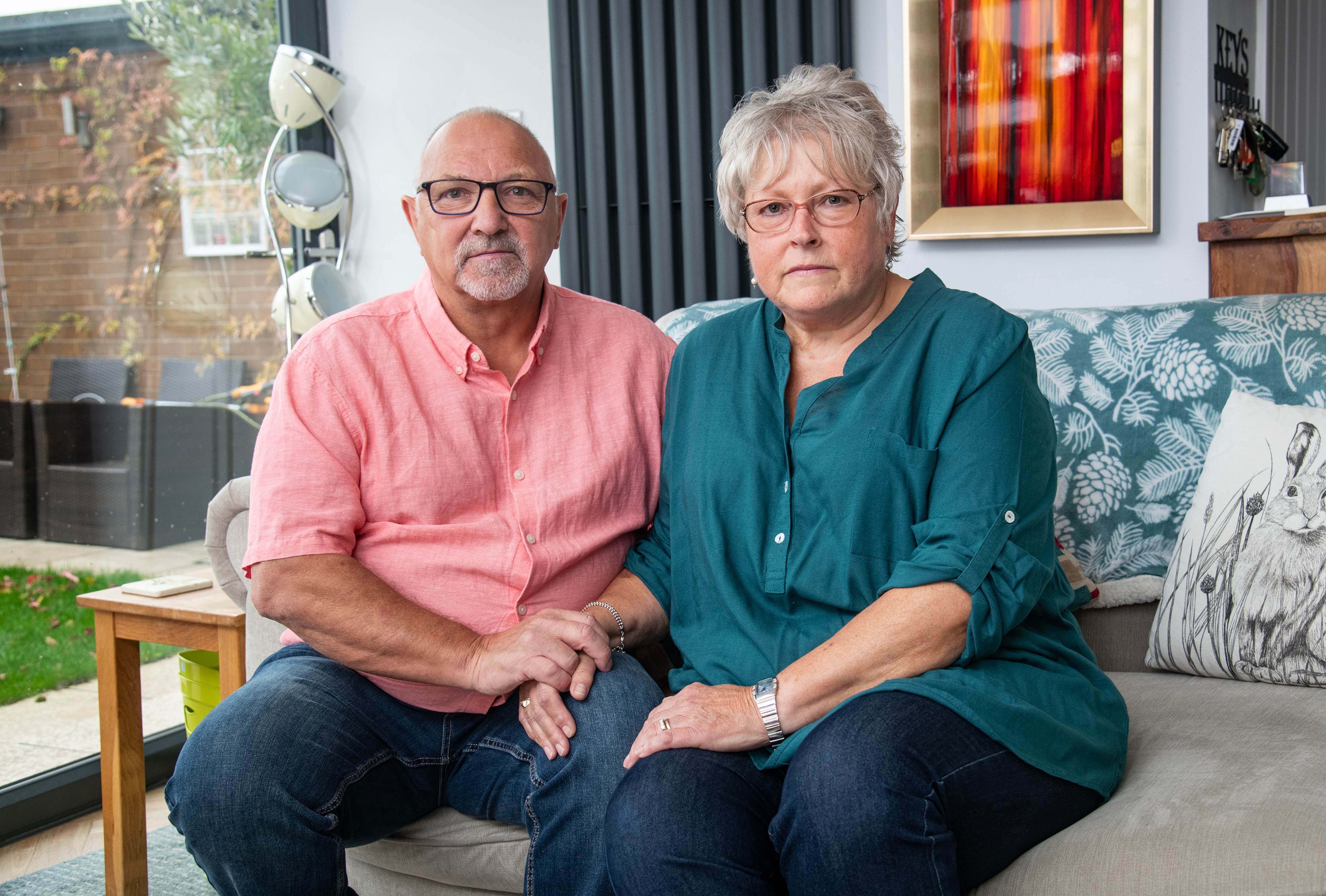
Reg and Geraldine Smith from Mansfield are worried about paying more income tax on their pensions
PAUL TONGE FOR THE TIMES
‘You either need to be a millionaire or on the breadline’
Reginald Smith, 65, retired earlier than planned when his wife, Geraldine, fell ill. After 40 years in the health and safety industry he had 18 different pension pots, worth a total of £250,000.
The couple, who live in Nottinghamshire, are now concerned about the impacts of frozen tax thresholds on their income. “It makes you question why we bother putting all this money away when they’re going to take bigger and bigger chunks of it from you,” he said.
Between them they take £4,000 from their pensions each month, with Geraldine, 65, taking an amount that keeps her just under the basic-rate tax threshold of £12,570 a year. Reginald is a basic-rate taxpayer.
Geraldine may soon have to take more from her pension as their living costs have risen and faces paying 20 per cent tax on income above the threshold, which has not moved since 2021 and will now not change until at least 2031. If it had risen with inflation if would now be £15,700.
As Geraldine’s health recovers, they were hoping to enjoy their retirement with more holidays and weekends away in the UK. “We’re going to have to sit down and think a little bit more about what we spend and how much we spend. It’s a shame, we had wanted our retirement to be relatively carefree,” she said.
Reginald saved most of his pension through salary sacrifice schemes, and he is concerned about how restrictions on contributions will affect the next generation, including their son, who is in his mid-thirties with two children.
“It’s ludicrous,” said Reginald. “The cut in national insurance relief would have made a massive difference on the size of my pension today.”
While they are comfortable, he said they feel frustrated by the stealth tax grabs on middle earners who can’t avoid the measures in the ways that the ultra-wealthy seem to. “You’ve either got to be millionaires or be on the breadline, because everybody in between is having it all taken away,” Reginald said.