
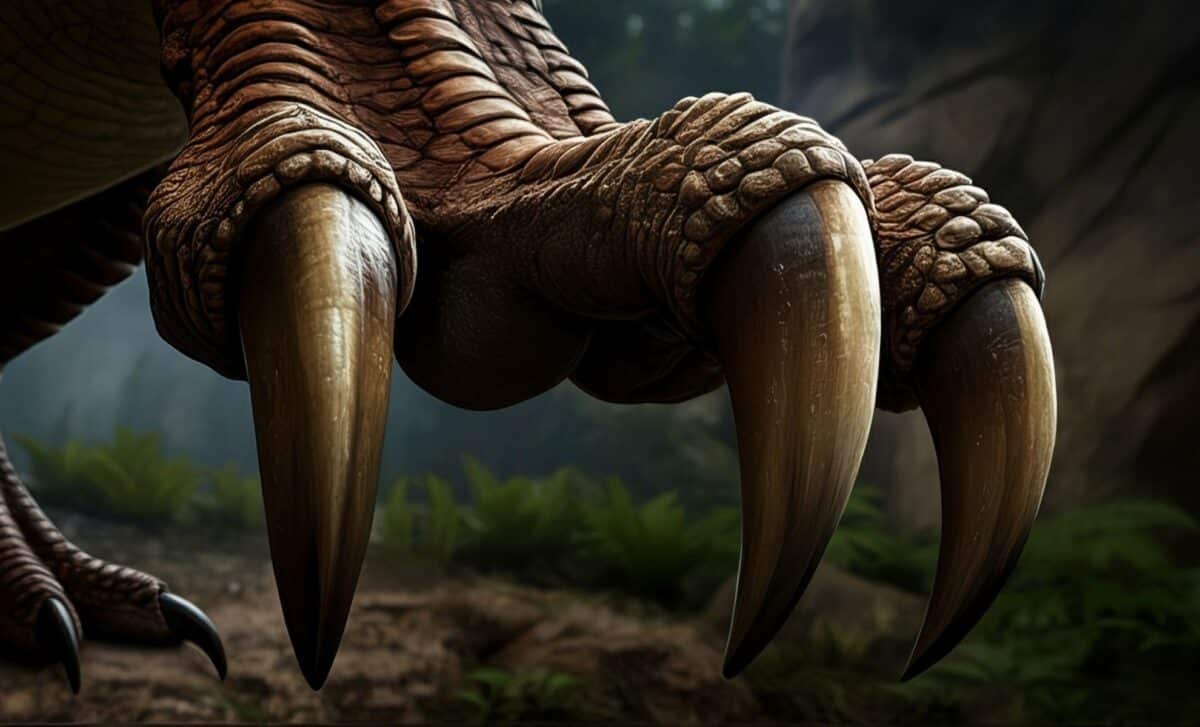
A new dinosaur species, Shri rapax, has been officially named following the discovery of its fossil in Mongolia’s Gobi Desert. This relatively small, 2-meter-long predator is closely related to the Velociraptor but had unique features that set it apart.
Notably, Shri rapax had giant claws and notably thick, strong hands, adaptations that may have helped it tackle much larger prey than you’d expect from a dinosaur of its size. The name Shri rapax comes from the word “rapacious,” a fitting tribute to the animal’s predatory nature, and reflects its fearsome, almost “aggressive” physical traits.
Life in the Harsh Gobi Desert
The fossil of Shri rapax was discovered in the Djadochta Formation, a part of the Gobi Desert that was once a vast and unforgiving landscape. Between 75 and 71 million years ago, this region was characterized by sprawling sand dunes and occasional lakes—far from the lush, forested environments we might picture for dinosaurs. According to the study, this environment may have shaped the evolution of species like Shri rapax, pushing them to develop specialized traits to survive.
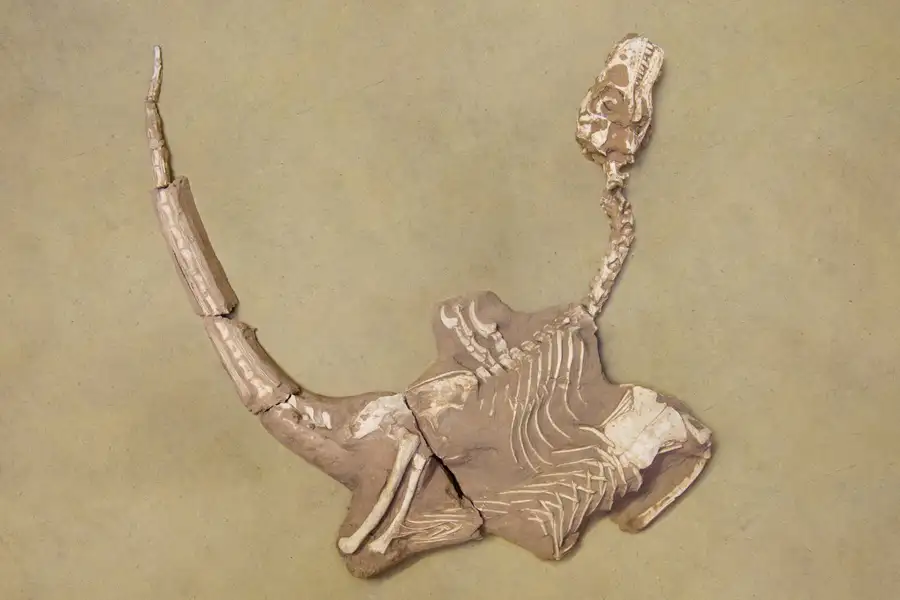 The fossil of Shri rapax. Credit: Royal Belgian Institute of Natural Sciences, Brussels
The area where Shri rapax was found has yielded many dinosaur fossils over the years, contributing to a deeper understanding of prehistoric life in this part of the world. While the climate was harsh, it likely also provided Shri rapax with opportunities to thrive as a predator.
Claws and Hands: The Tools of a Fearsome Predator
What really sets Shri rapax apart from other raptors are its hands, specifically, the large, powerful claws and the thick, muscular build of its forelimbs. According to Andrea Cau, these features were key to its success as a predator.
“The extremely robust [heavily built] hand structure and notably elongated claw of Shri rapax indicate an adaptation for powerful gripping,” says team member Tsogtbaatar Chinzorig at North Carolina State University. “Such a configuration likely enabled it to grasp and restrain relatively large prey.”
Instead, Shri rapax was probably equipped to hunt larger, potentially more dangerous animals, a characteristic that sets it apart from its more commonly known cousins.
“Compared to Velociraptor – which is about the same body size – the hand is 150 per cent more robust and the claw is longer,” noted Andrea Cau. “This suggests [it] was adapted to hunt animals stronger and more robust than those usually preferred by its relatives.”
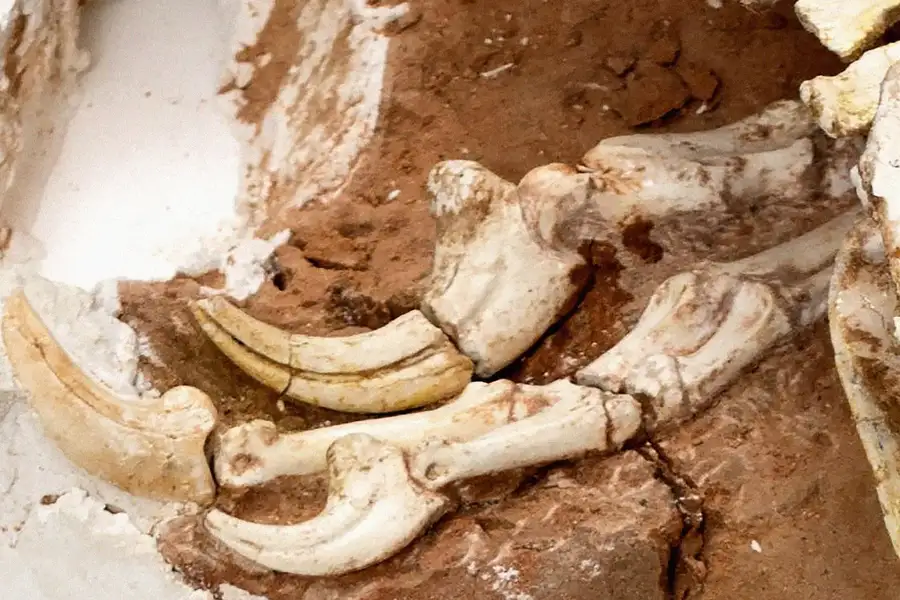 Shri rapax’s strikingly strong claws. Credit: Royal Belgian Institute of Natural Sciences, Brussels
Andrea Cau, the paleontologist behind the naming, noted that the distinctive features of Shri rapax‘s hands are a direct indication of its aggressive, almost ruthless nature. The decision to name the species after “the rapacious features we see in the hand” seemed only natural, as it perfectly captures the essence of what this small but mighty predator must have been like.
This jurassic beast carved out a niche that allowed it to dominate smaller, weaker prey—demonstrating once again how diverse and adaptable the dinosaur world truly was.