
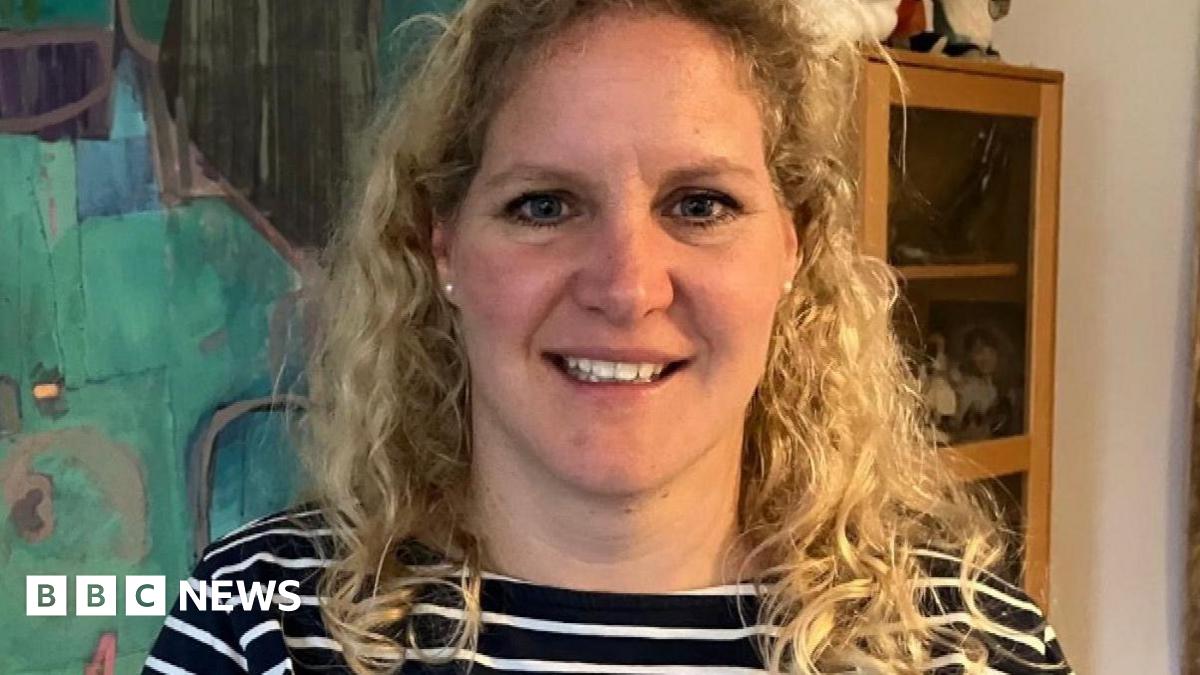
She said: “My role is about connecting with patients in the South West with Ataxia and all the [hospital] trusts I’m involved with, trying to create opportunity.
“A lot of these patients will have had a lifetime battle, with trying to ensure they can access the right service for whatever they need at that time.
“If I can bridge that gap and make their lives easier, then I’ve done the job that I’m here to do.”
Camilla added: “Unless you are asked about it, you don’t realise that [a symptom] is being caused by your condition. So you don’t think to ask for help, you just cope, and your quality of life could be better.
“You just need to know where to ask for help.”
Andrea Nemeth, a professor of neurogenetics and hospital consultant at Oxford University Hospitals, is one of the specialists patients from the South West might see to get a diagnosis.
She said: “Medical input is relatively limited to the diagnostic phase, so seeing a neurologist and, or a geneticist; but actually the long-term management is much better addressed by allied health professionals.
“Patients and sometimes medical staff don’t know that that is the case and that is where the ataxia nurse Camilla can signpost patients to all of those different services which are absolutely vital.
“Just because there aren’t curative treatments, doesn’t mean there aren’t treatments that are really valuable for people.”
Those services could be anything from occupational therapists to palliative care, to respiratory services and dietitians.