
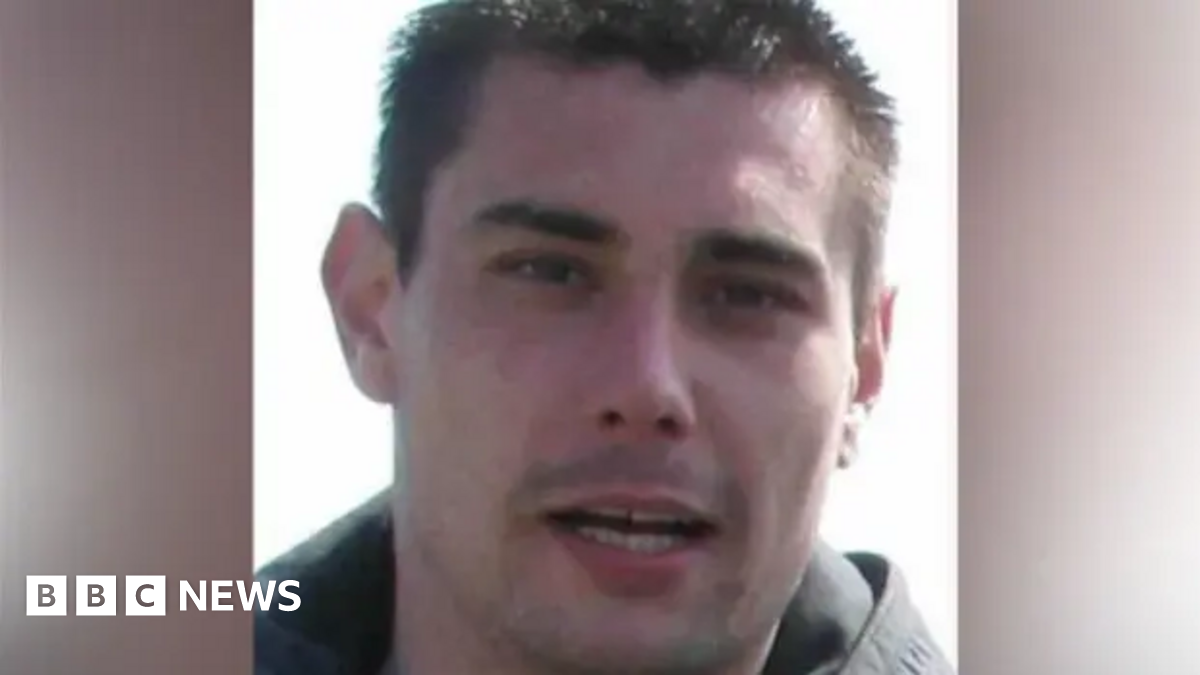
The court heard Crosher was transferred to Lowdham Grange on 19 July 2023, having been recalled to prison earlier that year.
His paperwork on arrival “included a section which described him as having vulnerabilities and posing a medium risk of harm towards himself through the continued misuse of illicit drugs”, the jury said at the end of the inquest, adding he had disclosed three previous attempts to take his own life.
Safer custody staff at the prison “were unaware” of information in his recall papers, they found, though Crosher was described as “seeming a little vulnerable” by healthcare staff at his screening.
Despite being assaulted in August and September there was no welfare check or other follow-up action by prison staff, and when he was found under the influence of drugs he was not checked on to an adequate standard.
On 7 October, Crosher pressed his cell bell to tell staff he had feelings of self-harm and was “under threat on the wing”, but there was “a missed opportunity” to prevent self-harm, and despite being placed under a process called assessment, care in custody and teamwork (ACCT), the jury said he was “left unattended, breaking from policy”.
He was treated by healthcare staff after self-harming, but only moved from his cell after starting a fire the following morning.
Repeated calls he made to helplines “did not receive a response”, and his case was not mentioned at meetings in the days before his death, the inquest heard.
The jury found there were “discrepancies between the recording of ACCT observations in the documentation and the observations actually undertaken by night staff” on 11 October, with a “gross failure” to escalate his ACCT case after he rang his cell bell at 02:30 GMT.
Two officers failed to respond when finding Crosher’s cell observation hatch was covered, the jury found, and there was a delay before a code blue was called when he was found at 07:06.
Despite medical attention, he was pronounced deceased outside his cell at 07:48.