
The chillier winter temperatures have only recently arrived in the UK, but many households across the country are already battling with damp and mould issues.
These unsightly patches of black, green or even white fungus often appear on walls, windows and furniture when warm, moist air condenses on cold surfaces, creating the perfect breeding ground for mould to grow and spread.
In fact, in England alone, recent stats suggest there are around two million people currently living in homes with significant damp or mould issues, with Citizens Advice Bureau estimating that almost half of private renters struggle with this debilitating duo to some degree.
From musty odours to steamed-up windows, there are lots of warning signs that your home is under threat, but what about when it comes to your health?
With household fungi producing microscopic allergens, irritants and spores that are harmful to humans, it’s important to recognise the subtle and early warning signs that mould exposure is afoot, so you can tackle the issue before it gets much worse. Here’s what to look out for.
1. You’re sneezing and have a runny nose
As damp and mould predominantly affect the airways and lungs, an irritating and chronic case of the sniffles can be an indicator that mould is circulating in your home.
“Mould spores are airborne allergens, so if you’re breathing them in without realising it, they’re entering the body through the respiratory tract and causing irritation,” says Dr Suhail Hussain, Doctify-rated primary care doctor.
“That’s why people often experience symptoms that mimic a cold or hay fever.”
2. You’re coughing more than usual
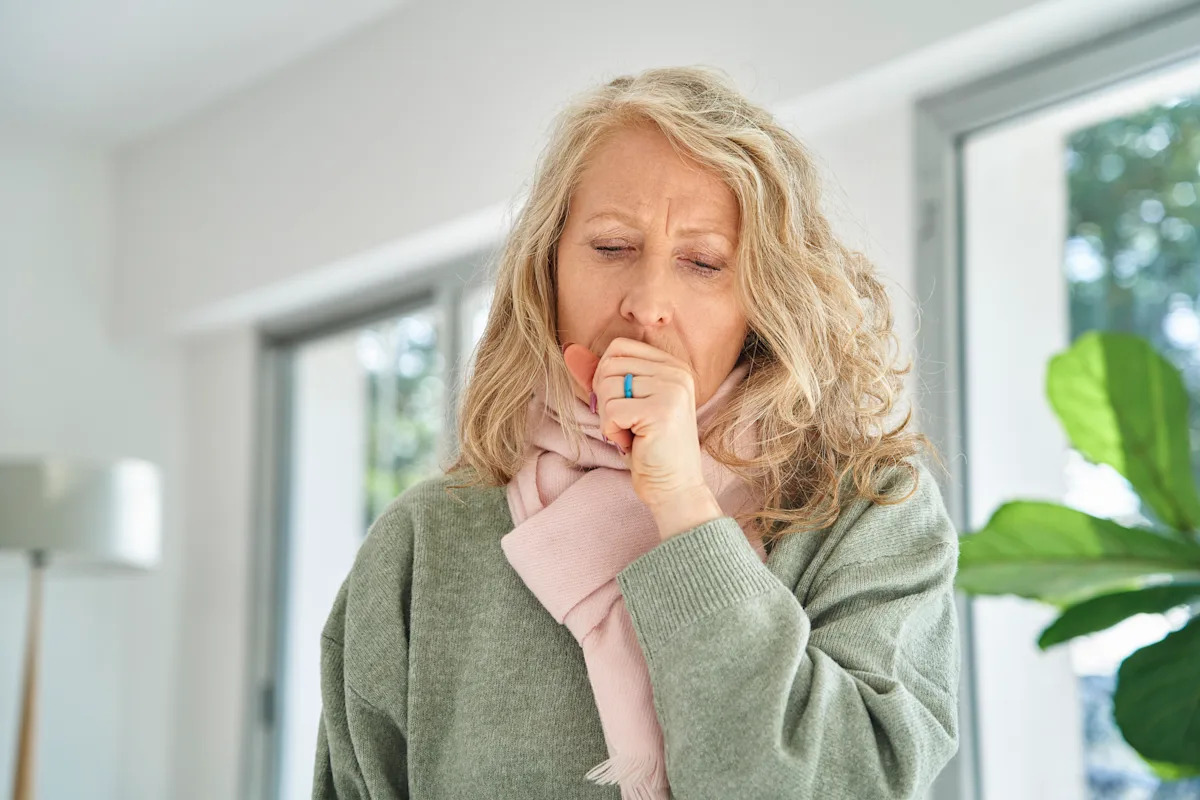
Likewise, a lingering, unexplained cough is another common reaction to mould exposure.
“Because the spores irritate the airways, many people living in a mouldy home notice a persistent cough, which worsens when they’re spending time indoors,” says Dr Hussain.
He adds that this can manifest as a tickly cough, chest tightness, or a general sense of irritation that doesn’t seem to go away.
3. You’re having difficulty breathing
For people already diagnosed with asthma or other common respiratory conditions, the effects of breathing in mould can exacerbate their existing symptoms.
“People often find they’re wheezing or short of breath, even if they can’t see the mould in the house themselves,” says Dr Hussain. “If you already have a respiratory condition, you need to be extra careful during winter, as mould can definitely make things flare up.”

The effects of breathing in mould can exacerbate the symptoms of respiratory conditions like asthma. (Getty Images)
4. You’ve spotted a skin rash
If you have a mould allergy, touching the spores on damp walls, window sills, and other common condensation hotspots can trigger an itchy, red rash that may leave the skin dry and scaly to the touch.
“The same goes for your eyes,” notes Dr Hussain. “Touching mould and then rubbing this area can often lead to a bout of redness and irritation.”
5. Your mental health is suffering
While we often associate patches of fuzzy black mould with physical symptoms like coughs and sneezes, the UK government notes that many people also experience mental health effects, including anxiety and depression.
These emotional difficulties aren’t thought to be directly caused by mould itself, but are often linked to the stress of living in unpleasant, unhealthy conditions and the social isolation that can come with them.
How to tell the difference between mould exposure and a cold
With so many bugs and viruses doing the rounds this winter, it’s natural to wonder whether your runny nose is just a common cold or if it’s linked to mould.
According to Dr Hussain, one of the clearest clues that mould is the culprit is noticing how your body reacts in and out of the home.
“If your symptoms improve when you’re away from the property and outside in fresh air, but worsen again once you’re back indoors, that’s a strong sign the mould is triggering your symptoms,” he says.
He adds that older adults, very young children and those with pre-existing respiratory symptoms are most at risk of serious symptoms.
“It’s important to speak to your doctor if you think mould is impacting your health,” he clarifies. “They may give you a simple peak-flow breathing test and refer you to a respiratory specialist if they are concerned.”
He adds: “You can also be tested for allergies, including mould, via your GP, but it’s important to inspect your house regularly for the signs of mould regardless, as prevention is always much better than cure.”
Read more about winter health: