
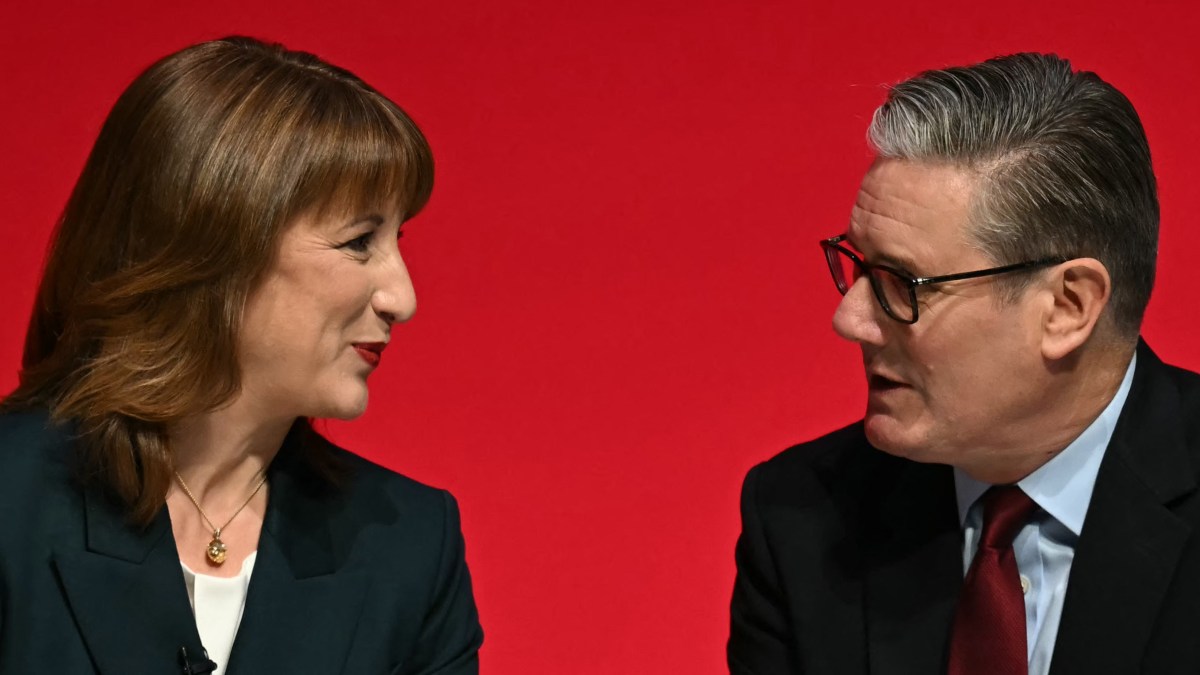
The prime minister will intervene in the cost of living crisis this week in an attempt to shore up his chancellor who is engulfed in a damaging row about what she told voters about the state of the economy.
No 10 and the Treasury fear that the “retail offer” in last week’s budget — cuts to energy bills and the freezing of rail fares and prescriptions — has failed to cut through to the public. The consumer policies have been drowned out by rows over cash for benefit claimants and whether the chancellor misrepresented the spending watchdog.
Rachel Reeves had claimed that a downgrade to the UK’s predicted economic productivity would make it hard for her to meet her fiscal rules.
However, on Friday, the chairman of the Office for Budget Responsibility (OBR) revealed that a forecast of higher wages — which she had not mentioned — would help her meet the rules with a £4.2 billion surplus.
Last night No 10 rallied behind the chancellor, pointing out that the OBR forecast had not factored in the cost of the winter fuel U-turn (£1.25 billion), the aborted £5 billion of welfare cuts and the £3 billion price of lifting the two-child benefit cap. No 10 argues that collectively they would have shown the chancellor was still £5 billion in the red.
A senior government source dismissed the situation as a “silly row brought about by people who can’t do maths”.
Downing Street says there was “no attempt to deceive in any form” and maintains that No 10 and No 11 had the same information and were aligned on the strategy.
In a bid to move the agenda on, Sir Keir Starmer will pivot to his long-term growth plans on Monday, praising the budget for providing “economic stability” and claiming that “economic growth is beating the forecasts”.
The prime minister will vow to scrap “misguided” regulations and root out unforeseen costs in “every corner of the economy”, warning that “excessive” red tape is piling costs on to big projects, such as energy plants, which ultimately lead to higher consumer bills.
He will confirm he is implementing reforms to the way nuclear power plants are built, after a government task force found that Britain was the most expensive place in the world to build nuclear power.
Starmer will announce that Peter Kyle, the business secretary, has been asked to take the same deregulatory approach to all large infrastructure projects, which it is hoped will speed up delivery and save the government billions of pounds. The prime minister will praise Reeves’s budget for delivering “economic stability” and setting the stage for the government’s future growth plans.
In other developments:
• Sir Mel Stride, the shadow chancellor, has written to the Financial Conduct Authority urging it to investigate “potential market abuse” arising from “misleading” pre-budget statements by ministers and briefings by officials;
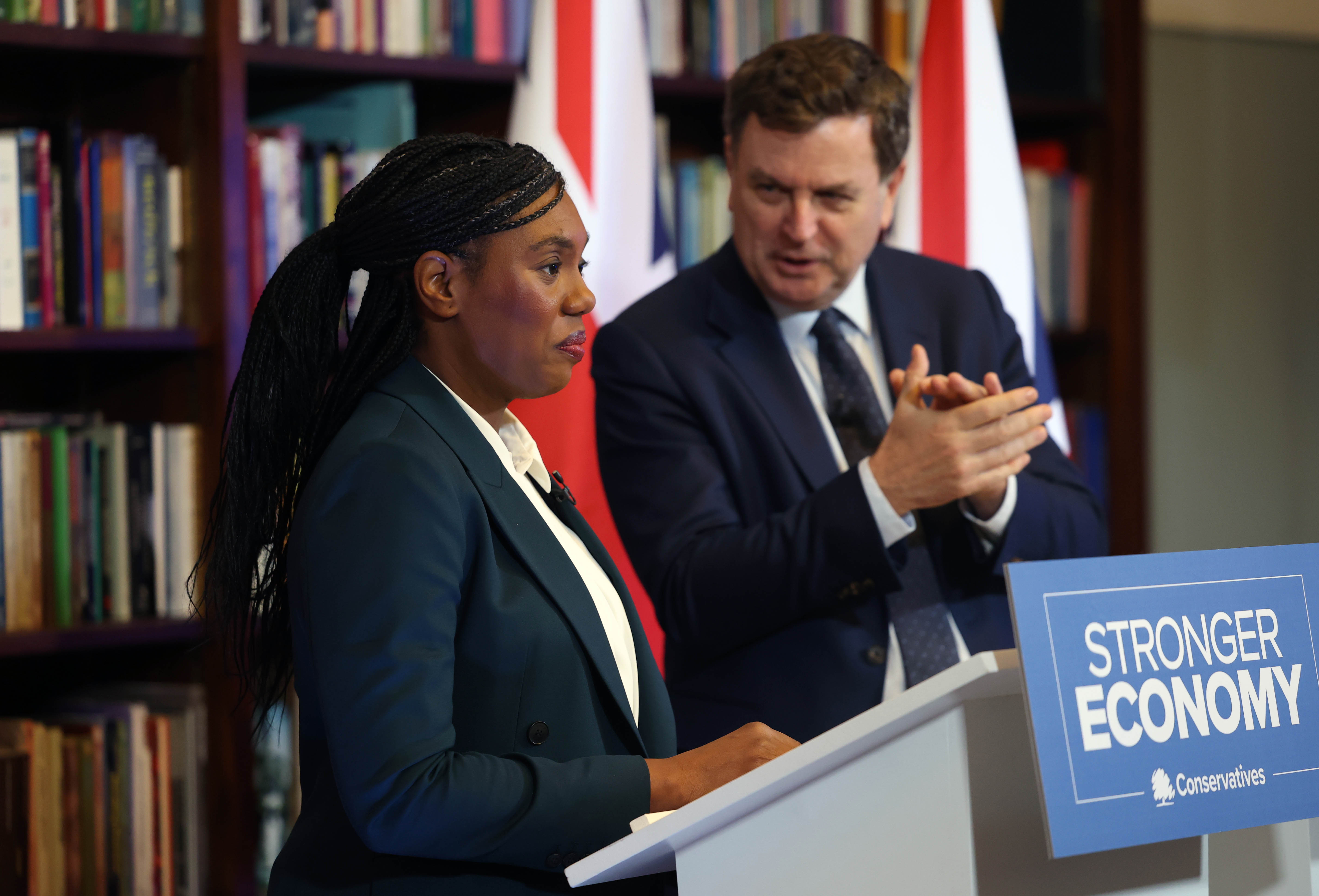
Sir Mel Stride with Kemi Badenoch
NEIL HALL/EPA
• The U-turn on income tax was a “political decision”, senior government figures acknowledge, as it emerged that No 10 conducted private polling showing it would have provoked a public outcry;
• A former No 10 economic adviser under Starmer has warned the budget will hit workers’ take-home pay and their pensions, while businesses will face even higher staffing costs;
• A More in Common poll finds 51 per cent of Britons do not think their energy bills will be cut;
• The survey shows that 58 per cent of voters believe Reeves’s freeze on income tax thresholds breaks Labour’s manifesto promise, up from 47 per cent who thought this before the budget.
Starmer will acknowledge in his speech that his government must go “further and faster” with reforms.
He will point to the findings of the government’s nuclear regulatory taskforce, chaired by economist John Fingleton, which called for a “radical reset” of the rules around nuclear power to save “tens of billions of pounds”, including by streamlining the planning system and ending the UK’s excessively risk-averse policies.

Hinkley Point C is expected to start operating in the early 2030s
BEN BIRCHALL/PA
He believes the report highlights how “pointless gold-plating, unnecessary red-tape and well-intentioned, but fundamentally misguided environmental regulation” has driven up the price of nuclear, the costs of which are partially met by raising energy bills.
The PM will nod to the so-called fish disco at the Hinkley Point C nuclear plant — an environmental protection measure set to cost £700 million to save less than one salmon a year — which was highlighted in the report as one of the most egregious examples of regulation.
Starmer believes the lessons from the Fingleton report must be applied to projects in every sector through the scrapping of excessive regulation.
• How the arrival of one Arctic tern halted work on entire nuclear plant
“Rooting out excessive costs in every corner of the economy is an essential step to lowering the cost of living for good, as well as promoting more dynamic markets for business,” he will argue.