
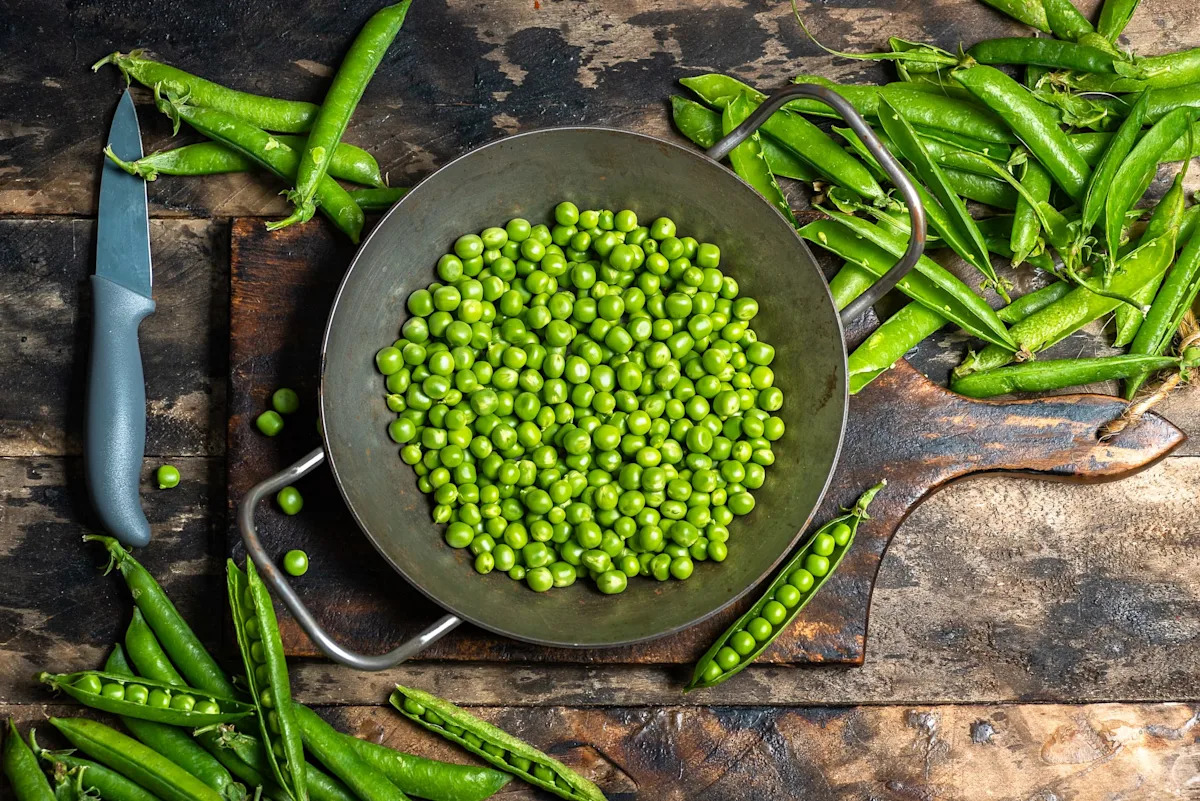
Your parents may have told you that it’s important to eat your peas. They’re right, it turns out.
“Green peas are surprisingly nutrient-packed for such a humble little veggie,” says Caroline Thomason Bunn, RD, CDCES. And while you can eat them on their own, those who aren’t the biggest fans of plain green vegetables can also doctor them up to be even tastier: “I like to bake them with some garlic, lemon, salt, pepper and a sprinkle of parm on top,” she adds.
Here’s what nutrition experts want you to know about how green peas fit into a healthy diet.
More: 7 key vitamins and minerals you get from carrots
Are green peas good for you?
Peas contain a number of vital nutrients, from fiber and plant-based protein, “which can help keep you fuller for longer and support healthy blood sugar balance,” Bunn notes, as well as vitamin C, vitamin K and antioxidants to support your immune system. One cup contains about 117 calories, 7.86 grams of protein and 8.26 grams of fiber (about 1/3 of the recommended daily amount for women and 1/5 for men, depending on their ages), according to the U.S. Department of Agriculture’s Food Database.
More: How often should you eat? What experts say about meal times and health
What is the No. 1 healthiest vegetable?
For the record, green peas are technically legumes, but are treated as vegetables in culinary contexts. Vegetables all have varying health benefits, but nutrition experts prefer not to use the term “healthiest” – because that description depends on the unique health benefits your body needs.
“‘Good for you’ can mean a lot of different things depending on who you ask,” Bunn says. “I encourage people to shift the focus from their idea of perfect eating to enjoying their favorite holiday foods in moderation. One meal won’t make or break your health, and there’s a big difference between eating joyfully and eating mindlessly.”
This article originally appeared on USA TODAY: Are green peas good for you? What nutrition experts say.